
Minimalist Kitchen Hacks: Compact Cooking Zones and Storage
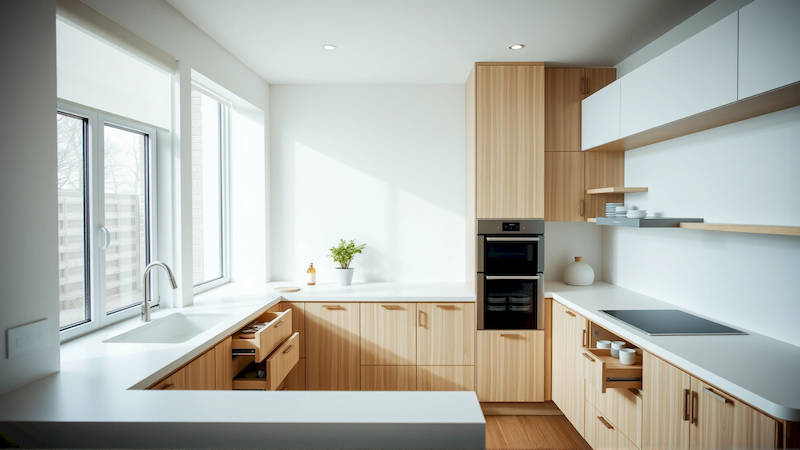
The kitchen, often dubbed the heart of the home, can quickly become a source of stress in smaller living spaces. Clutter accumulates, countertops disappear under appliances, and the joy of cooking fades amidst the chaos. For those embracing a minimalist lifestyle, the kitchen presents a unique challenge: how to maintain functionality and culinary creativity within limited square footage. However, achieving a streamlined, efficient, and serene kitchen isn’t about deprivation; it’s about intentionality. It’s about rethinking how we use space, prioritizing essential tools, and establishing smart storage solutions. This article delves into practical minimalist kitchen hacks, focusing on creating dedicated cooking zones and maximizing storage – transforming even the smallest kitchen into a haven for culinary delight.
The core principle of minimalist kitchen design isn’t simply about owning less; it's about creating a space that supports your cooking habits, not dictates them. Too often, we accumulate gadgets and tools “just in case,” leading to overcrowding and unused potential. This approach contrasts sharply with the minimalist ethos, which encourages thoughtful acquisition and a focus on quality over quantity. A successful minimalist kitchen isn’t sterile; rather, it’s a highly functional, beautiful space where everything has a purpose and a place. Embracing this philosophy not only reduces stress but also streamlines the cooking process, making it more enjoyable and efficient.
- Defining and Optimizing Your Cooking Zones
- Decluttering & Assessing Your Current Kitchen Inventory
- Vertical Storage Solutions: Maximizing Limited Space
- Multi-Functional Tools & Collapsible Equipment
- Smart Pantry Organization: A Focus on Visibility & Accessibility
- Maintaining a Minimalist Kitchen: Habits for Long-Term Success
Defining and Optimizing Your Cooking Zones
One of the most effective minimalist kitchen hacks is the strategic implementation of dedicated cooking zones. Instead of a sprawling, undefined workspace, divide your kitchen into distinct areas – prepping, cooking, cleaning, and often, a beverage station. This segmentation significantly enhances workflow and minimizes clutter. Consider your cooking style: are you a frequent baker? Prioritize a dedicated baking zone. Do you primarily cook quick weeknight meals? A focused prepping and cooking zone will be more valuable. The layout should flow logically, avoiding triangular routes that force unnecessary steps.
To establish these zones, assess your existing space and identify natural divisions. Often, the sink serves as a natural boundary between the cleaning and prepping zones. The stove naturally defines the cooking zone. Use visual cues – different colored cutting boards, designated tool containers, or even subtle changes in countertop organization – to physically demarcate each area. For extremely small kitchens, zones can overlap, but maintaining mental clarity about the primary function of each space is key. For example, a small rolling cart could serve as both extra prep space and a mobile island, fitting into different zones as needed.
Finally, consider vertical space. A magnetic knife strip above the counter frees up drawer space and makes frequently used knives accessible within the cooking zone. Wall-mounted spice racks consolidate seasonings and keep them within easy reach while cooking. Remember: the goal isn't just to create zones, but to optimize them for your specific needs and cooking style.
Decluttering & Assessing Your Current Kitchen Inventory
Before embarking on any organizational overhaul, a ruthless decluttering process is absolutely essential. The first step involves removing everything from cupboards, drawers, and countertops. Yes, everything. This creates a blank canvas and forces you to confront the sheer volume of items you've accumulated. As you remove each item, ask yourself three critical questions: When was the last time I used this? Do I genuinely need this to prepare meals I regularly enjoy? Is there a more versatile tool that can perform the same function?
Be honest with yourself. That avocado slicer you got as a gift might look appealing, but if you’ve used it only once in the past year, it’s likely taking up valuable space. Donate, sell, or discard items that don’t meet these criteria. According to a study by the National Association of Professional Organizers, the average household contains 30% of items that are rarely or never used. Applying this principle to your kitchen can yield significant space savings. This initial decluttering phase isn’t simply about discarding items; it’s about redefining your relationship with your kitchen tools and creating a space that reflects a mindful, intentional lifestyle.
Vertical Storage Solutions: Maximizing Limited Space
When floor space is at a premium, the answer is to look up. Vertical storage is the cornerstone of minimalist kitchen organization. Start with wall-mounted shelves. Choose adjustable shelving to accommodate items of varying heights. Open shelving can create a visually airy feel but requires diligent organization. Closed cabinetry is preferable for concealing clutter and maintaining a streamlined aesthetic. Utilize the space above cabinets; often overlooked, this area is excellent for storing infrequently used items in decorative baskets or boxes.
Beyond shelving, consider incorporating pegboards. Pegboards provide incredible versatility, allowing you to customize storage based on your needs. Hooks and shelves can be rearranged to hold pots, pans, utensils, or even small plants. Another effective solution is hanging pot racks. These not only free up cabinet space but also add a touch of professional kitchen style. "In a small kitchen, every inch counts," says professional organizer Marie Kondo in her book The Life-Changing Magic of Tidying Up. “Utilizing vertical space is essential for maximizing functionality and creating a sense of calm."
Multi-Functional Tools & Collapsible Equipment
Embrace the power of multi-functional tools. Instead of dedicating space to single-use gadgets, invest in items that can perform multiple tasks. A high-quality chef’s knife can handle 80% of your chopping needs, eliminating the need for a drawer full of specialized knives. A Dutch oven can serve as a stockpot, braising vessel, and even a baking dish. A food processor can chop, slice, shred, and puree, replacing several smaller appliances.
Furthermore, consider collapsible or nesting equipment. Collapsible colanders, mixing bowls, and measuring cups take up minimal storage space when not in use. Nesting pots and pans stack neatly within each other, freeing up valuable cabinet real estate. These seemingly small changes can result in a remarkably more organized and spacious kitchen. Think about the frequency of use when making purchasing decisions – opt for fewer, high-quality, versatile tools over a plethora of specialized items that end up gathering dust.
Smart Pantry Organization: A Focus on Visibility & Accessibility
The pantry, even a small one, can easily become a black hole of forgotten goods. Implement a system that prioritizes visibility and accessibility. Clear containers are your best friend. Decant dry goods – pasta, rice, cereal, flour – into matching clear containers. This eliminates bulky packaging and allows you to quickly assess what you have on hand, reducing food waste. Label everything clearly. Rotating food stock is crucial. Place newer items at the back and older items at the front to ensure everything is used before it expires.
Consider tiered shelving or pantry organizers to maximize vertical space. Over-the-door organizers are ideal for storing smaller items like spices, snacks, or cleaning supplies. Keep frequently used items at eye level and less frequently used items on higher or lower shelves. A well-organized pantry not only saves space but also saves you money by minimizing duplicate purchases and food spoilage.
Maintaining a Minimalist Kitchen: Habits for Long-Term Success
Creating a minimalist kitchen is only the first step. Maintaining it requires ongoing effort and mindful habits. Adopt the “one in, one out” rule: for every new kitchen item you acquire, get rid of something old. Regularly reassess your inventory and declutter as needed. Develop a cleaning routine that includes wiping down countertops and washing dishes immediately after use. Avoid letting clutter accumulate.
Embrace the practice of mindful consumption. Before purchasing any new kitchen item, ask yourself if it truly adds value to your cooking experience. Resist the temptation of impulse buys and marketing hype. A minimalist kitchen isn’t about restriction; it’s about intentionality. It's about creating a space that is both functional and rejuvenating, supporting your culinary passions without overwhelming your living space.
In conclusion, achieving a minimalist kitchen in a small space isn’t about sacrifice, but about intentionality and strategic design. By defining cooking zones, ruthlessly decluttering, embracing vertical storage, investing in multi-functional tools, and adopting mindful habits, you can transform your kitchen into a haven of culinary efficiency and serenity. The key takeaways are to prioritize functionality over aesthetics, prioritize quality over quantity, and focus on creating a space that supports your needs, not dictates them. Start small, be consistent, and enjoy the liberating feeling of a streamlined, peaceful kitchen – a cornerstone of a minimalist lifestyle. The benefits extend far beyond the kitchen itself, fostering a sense of calm and control that permeates throughout your home and life.
Deja una respuesta