
Minimalist Kitchen Lighting Ideas to Enhance Simplicity and Function
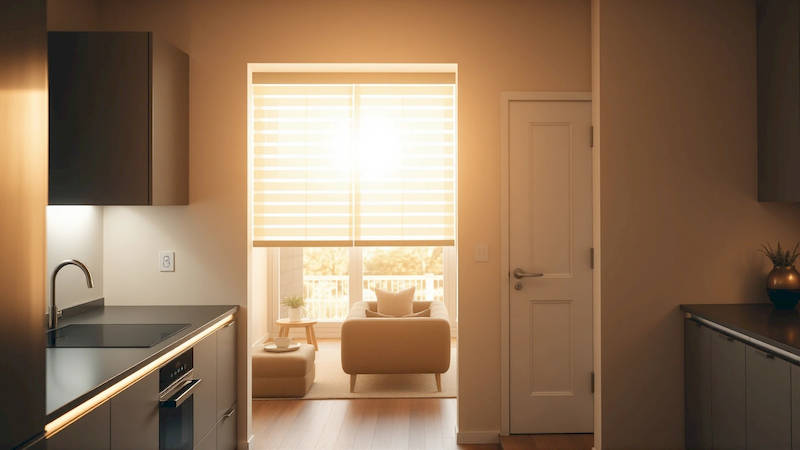
The kitchen, often hailed as the heart of the home, deserves a lighting scheme that’s both functional and aesthetically pleasing. Yet, within the context of minimalist living, this translates to intentionality. It’s not about stark emptiness, but about carefully chosen fixtures that maximize usefulness while contributing to a calm, uncluttered aesthetic. Too often, kitchens are over-lit – a barrage of recessed lights, pendants, and under-cabinet illumination fighting for dominance. Minimalist kitchen lighting, instead, prioritizes focused light where it’s needed, creating a serene and practical space. This article will delve into the core principles behind minimalist kitchen lighting, exploring specific fixture types, placement strategies, and how to achieve optimal illumination without sacrificing the core tenets of simplicity and purposeful design.
The rise of minimalist design philosophies – born from reactions against consumerism and a yearning for peaceful living spaces – directly impacts how we approach even functional elements like lighting. A 2023 survey by the American Institute of Interior Designers found that 68% of homeowners prioritize creating calming and functional spaces, and lighting plays a vital role in achieving both. Minimalist lighting isn't about cost-cutting; it's about value. Investing in fewer, high-quality light fixtures that serve multiple purposes, and provide quality illumination, can often be more effective – and ultimately more satisfying – than a proliferation of cheaper alternatives. This article offers a guide to achieving a well-lit, minimalist kitchen, emphasizing purpose, efficiency, and understated elegance.
- Understanding the Layers of Kitchen Lighting
- Pendant Lighting: A Minimalist Statement
- Under-Cabinet Lighting: The Workhorse of the Minimalist Kitchen
- Recessed Lighting: Strategic Placement for a Clean Look
- Beyond Function: Integrating Smart Lighting
- Simple Finishes and Materials: Maintaining Visual Consistency
- Conclusion: Achieving Illumination with Intention
Understanding the Layers of Kitchen Lighting
Effective kitchen lighting isn't about a single overhead fixture. It’s built on a layered approach, combining ambient, task, and accent lighting to create a functional and inviting space. Ambient lighting provides overall illumination, establishing a baseline level of brightness. Task lighting focuses specifically on work areas – countertops, sinks, and islands – where detailed activities take place. Accent lighting, though less critical in a truly minimalist space, can highlight architectural features or artwork, adding subtle visual interest. Failing to incorporate all three layers results in a kitchen that feels either too flat and uninviting, or harsh and overexposed. A minimalist approach streamlines these layers; instead of numerous fixtures for each, the goal is optimized multi-functionality.
Many homeowners make the mistake of relying solely on a central ceiling light, which creates harsh shadows and insufficient illumination in crucial work zones. This often leads to the addition of numerous point-source fixtures attempting to compensate, which runs counter to minimalist ideals. For a minimalist kitchen, prioritize carefully placed task lighting that elegantly complements the overall ambient scheme. An example includes integrating LED strip lighting under cabinets, offering bright, focused illumination for food preparation while maintaining a clean aesthetic. This integrates functionality without visually cluttering the space. It's about strategically using light, not simply adding more of it.
Consider the role of natural light. Maximizing the influx of daylight is a cornerstone of minimalist design. Keep windows unobstructed and consider lighter window treatments that diffuse light rather than blocking it entirely. Position work areas to take advantage of natural light sources, reducing your reliance on artificial illumination during the day. A well-designed kitchen should feel bright and open, minimizing the need for constant artificial light.
Pendant Lighting: A Minimalist Statement
Pendant lights, when chosen thoughtfully, can be powerful statements in a minimalist kitchen. However, careful selection is paramount. Opt for simple designs – clean lines, geometric shapes, and neutral colour palettes are key. Avoid overly elaborate designs or ornate details. Materials like brushed metal, frosted glass, or even concrete can contribute to a minimalist aesthetic. The shape should be dictated by function; a long, narrow pendant over an island provides focused light without visually overwhelming the space. The key is fewer, better pendants, rather than several smaller, less impactful ones.
When selecting pendants, consider the height and spacing. Pendants should typically hang between 30-36 inches above the countertop or island surface. Too low and they become intrusive, too high and they lose their effectiveness. For multiple pendants, space them evenly – typically 24-36 inches apart – ensuring a balanced distribution of light. A common mistake is overcrowding pendants: choose a smaller number of larger pendants for greater impact and a cleaner look. For instance, two large, cylindrical pendants above an island can be far more effective – and visually pleasing – than four smaller, more decorative options.
Furthermore, consider dimmable LED bulbs for pendant lights. This adds a layer of control, allowing you to adjust the light intensity to suit different tasks and moods. This flexibility is a hallmark of mindful living, fulfilling a wide range of needs without clutter or unnecessary complication. Dimmable lights also extend the lifespan of the bulbs, contributing to a more sustainable and economical lighting solution.
Under-Cabinet Lighting: The Workhorse of the Minimalist Kitchen
Under-cabinet lighting is arguably the most crucial element in a minimalist kitchen. It provides bright, focused illumination directly where you need it – on countertops – eliminating shadows and making food preparation safer and more efficient. LED strip lights are the preferred choice for under-cabinet lighting due to their slim profile, energy efficiency, and long lifespan. Avoid bulky fixtures that protrude and detract from the clean lines of the kitchen.
Installation can be relatively straightforward, with self-adhesive LED strips available for DIY projects. Ensure the strips are properly aligned and concealed for a seamless look. Consider opting for a system with a single power supply to minimize clutter under the cabinets. The colour temperature of the LEDs is also important. A warm white (2700K-3000K) creates a cozy and inviting atmosphere, while a cool white (4000K-5000K) provides brighter, more functional illumination. For the minimalist kitchen, a slightly warmer touch generally lends itself better to creating a calm setting.
The power of under-cabinet lighting extends beyond task illumination. It can also serve as a subtle ambient light source, particularly when combined with dimmer switches. This allows you to create a more layered and versatile lighting scheme that adapts to different times of day and activities. Properly utilized under-cabinet lighting can often negate the need for additional overhead task lights, contributing to the minimalist aesthetic.
Recessed Lighting: Strategic Placement for a Clean Look
Recessed lighting, also known as pot lights, can be integrated into a minimalist kitchen, but strategic placement is crucial. Avoid scattering numerous recessed lights across the ceiling. Instead, focus on illuminating key areas – walkways, sinks, and primary work surfaces. The goal is to provide adequate ambient lighting without overwhelming the space with cumbersome fixtures.
The size of the recessed lights should be proportionate to the kitchen. Smaller lights generally create a more subtle effect, while larger lights provide brighter illumination. LED recessed lights are highly recommended due to their energy efficiency and long lifespan. Consider "trimless" recessed lights, which blend seamlessly into the ceiling, further minimizing visual clutter. These provide a clean, almost invisible source of light, reinforcing the minimalist aesthetic.
Spacing is vital. An expert lighting designer can help map a plan with you to ensure optimal coverage. A general rule is to space recessed lights approximately 4-6 feet apart, depending on their wattage and beam angle. As with pendant lights, dimmers are essential for controlling the light intensity and creating a more versatile lighting scheme. Care must be taken to call an electrician who is licensed to perform that work safely.
Beyond Function: Integrating Smart Lighting
Smart lighting systems offer a level of control and customization that aligns perfectly with the minimalist philosophy. The ability to remotely adjust light levels, schedule automated lighting scenes, and even control lights with voice commands allows you to create a kitchen environment that is both functional and responsive to your needs. Integrating smart lighting can simplify your life, reduce energy consumption, and enhance the sense of calm and control in your kitchen.
Many smart lighting systems allow for colour temperature adjustment, enabling you to shift between warm and cool tones throughout the day. This can significantly impact mood and productivity. You can create a bright, invigorating lighting scheme for cooking and cleaning, and then transition to a softer, more relaxed atmosphere for dining or socializing. The efficiency of a smart lighting system, driven by presence sensors, is a huge benefit that's often overlooked, as lights will only turn on when the room is occupied.
Implementing a smart lighting system doesn't necessarily require a complete overhaul of your existing lighting. Smart bulbs can be easily integrated into existing fixtures, providing a cost-effective way to experience the benefits of smart technology.
Simple Finishes and Materials: Maintaining Visual Consistency
The finishes and materials of your light fixtures should complement the overall aesthetic of your minimalist kitchen. Opt for neutral colours like white, black, silver, or brushed metal. Avoid overly bright or ornate finishes. The goal is to create a sense of visual consistency and harmony. Keep details to a minimum, favouring clean lines and geometric shapes.
Materials like frosted glass, concrete, and wood can add texture and visual interest without compromising the minimalist aesthetic. Consider using the same finish for all your light fixtures to create a cohesive look. For example, if you choose brushed nickel for your pendant lights, use the same finish for your recessed lights and under-cabinet lighting. This creates a unified and visually pleasing effect. Minimalism relies heavily on restraint and thoughtful curation, and the choice of lighting finishes is a key area where this principle applies.
Conclusion: Achieving Illumination with Intention
Minimalist kitchen lighting is about more than just aesthetics; it’s about creating a functional, calming, and efficient space that supports your lifestyle. By focusing on layered lighting, intentional fixture selection, and smart technology, you can achieve a well-lit kitchen that seamlessly integrates into your minimalist design scheme. Prioritize task lighting, embrace the clean lines of pendant lights and recessed fixtures, and leverage the convenience of smart technology to create an environment that's both practical and serene. Remember to maximize natural light whenever possible and choose finishes that complement the overall aesthetic.
The key takeaway is that less can truly be more. Invest in fewer, high-quality light fixtures that serve multiple purposes and provide optimal illumination. Don’t be afraid to experiment with dimmers and colour temperature adjustments to create a versatile lighting scheme that adapts to your needs. By approaching kitchen lighting with intention and a commitment to simplicity, you can transform your kitchen into a sanctuary of calm and functionality. The next step is to evaluate your current kitchen lighting, identify areas for improvement and start making those changes. A well-lit minimalist kitchen isn't just a beautiful space; it’s a reflection of a mindful and intentional way of living.
Deja una respuesta