
Removing Pet Hair from Upholstery Without a Vacuum
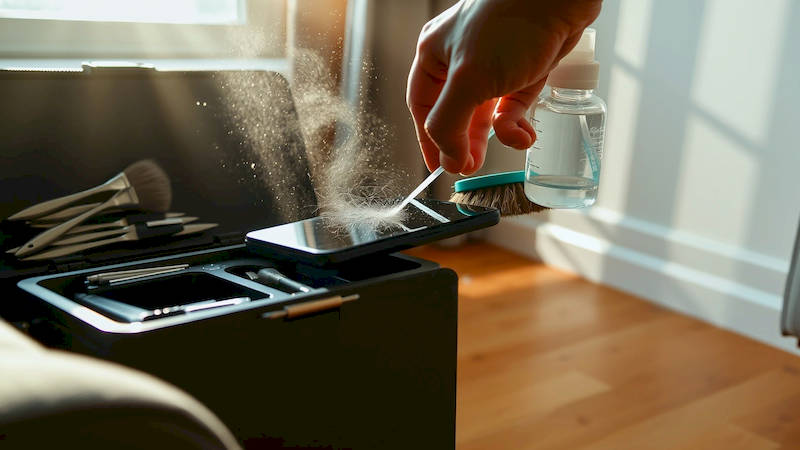
The joy of a furry companion is undeniable. The cuddles, the playful antics, the unconditional love – they enrich our lives in countless ways. However, the reality of pet ownership also comes with a significant side effect: pet hair. It accumulates everywhere, and upholstery seems to act like a magnet for it. While a vacuum cleaner is often the first line of defense, there are countless situations where you might not have access to one, or you want a quick, targeted solution. Perhaps you’re on vacation, living in a small space, or simply aiming for a more eco-friendly approach. This article provides a comprehensive guide to removing pet hair from upholstery without a vacuum, offering a range of effective techniques and practical advice to keep your furniture looking its best. We'll explore readily available household items and proven methods, helping you maintain a clean and comfortable home environment despite the inevitable shedding.
The persistent presence of pet hair isn't just an aesthetic issue. It can contribute to allergies, exacerbate asthma, and even affect air quality. According to the Asthma and Allergy Foundation of America, pet dander is a common trigger for allergic reactions and asthma attacks. Furthermore, embedded pet hair can damage upholstery fibers over time, leading to premature wear and tear. Proactive and consistent hair removal, even without a vacuum, is therefore a crucial aspect of maintaining both a healthy and well-cared-for home. This guide will equip you with the knowledge and tools to tackle this challenge effectively.
This article will focus on practical, actionable methods leveraging items most people already have in their homes. We'll move beyond simple lint rollers (though those will be included!), diving into the science behind why certain techniques work and providing detailed instructions for each method. We’ll also address different upholstery types, as what works on velvet won’t necessarily work on microfiber. The goal is to empower you to confidently address pet hair buildup, ensuring a cleaner, healthier, and more inviting living space.
The Power of Rubber: Gloves, Squeegees, and Beyond
Rubber is arguably your greatest ally in the battle against embedded pet hair. The unique properties of rubber – its slight tackiness and ability to create friction – allow it to grip and lift hair from fabric fibers effectively. This principle is surprisingly versatile and can be applied in several ways. A simple pair of rubber cleaning gloves, the kind used for dishwashing, is an excellent starting point. Slightly dampen the gloves (not soaking wet!), and run your hands over the upholstery in a sweeping motion. The hair will cling to the rubber, forming visible clumps that you can easily remove.
The key to success with rubber gloves lies in technique. Avoid excessive pressure, as this can damage delicate fabrics. Instead, focus on gentle, consistent strokes. The dampness of the gloves enhances their grip, but too much water can leave watermarks. Experiment with the level of dampness to find the optimal balance for your specific upholstery. Another often-overlooked tool is a rubber squeegee, commonly used for cleaning windows. The flexible blade of a squeegee works similarly to the gloves, lifting and gathering hair as you draw it across the surface.
Beyond gloves and squeegees, consider a rubber pet brush (designed for grooming pets) or even a textured rubber doormat. Gently rub these items across the upholstery, and the hair will adhere to the rubber surface. These options provide variety and allow you to choose the tool that feels most comfortable and effective for you. Research indicates that electrostatic charge also plays a role in how rubber attracts hair. The friction created by rubbing the rubber against the fabric generates a static charge, further enhancing its ability to grab onto pet hair.
Tackling Tough Cases: The Duct Tape and Packing Tape Method
While rubber is excellent for general hair removal, sometimes you need a more aggressive approach, especially for deeply embedded hairs. This is where the humble roll of tape comes into play. Duct tape, packing tape, or even masking tape can be remarkably effective at lifting stubborn pet hair from upholstery. The cohesive strength of the adhesive provides a firm grip on the hairs, pulling them away from the fabric fibers.
The application process is straightforward, but requires a bit of patience. Tear off a length of tape, fold over one end to create a loop with the sticky side facing outward. Press the tape firmly onto the upholstery and then slowly peel it away. You'll be amazed at how much hair clings to the tape. Repeat the process, using fresh sections of tape each time, until you've covered the entire affected area. This method is particularly useful for areas with particularly dense hair accumulation.
However, it's crucial to exercise caution when using tape, especially on delicate fabrics. Test a small, inconspicuous area first to ensure the adhesive doesn't damage the material or leave a sticky residue. For sensitive fabrics, consider using a less aggressive tape, such as masking tape, which has a lower adhesive strength. Furthermore, prolonged or repeated use of tape can potentially pull at the fabric fibers, so use it strategically and avoid excessive rubbing.
The Static Electricity Hack: Dryer Sheets and Fabric Softener
Harnessing the power of static electricity is another surprisingly effective method for removing pet hair. Dryer sheets, both used and unused, contain softening agents that reduce static cling, but also, paradoxically, can attract pet hair due to the subtle electrostatic charge they create. Gently wipe a dryer sheet across the upholstery, and the hair will adhere to the sheet.
This technique works best on fabrics that aren’t naturally prone to static build-up. A slightly dampened (with water – not fabric softener) microfiber cloth can also mimic this effect. The dampness creates a bit of friction, enhancing the static charge and boosting hair removal. Another approach is to create a DIY fabric softener spray. Mix a small amount of liquid fabric softener with water in a spray bottle (approximately 1 tablespoon of fabric softener per cup of water). Lightly mist the upholstery and then wipe it down with a clean cloth. The fabric softener helps to loosen the hair and reduce static cling, making it easier to remove.
It’s important to note that prolonged or excessive use of fabric softener can leave a residue on upholstery, so use it sparingly and test a small area first. Furthermore, individuals with sensitive skin or allergies should exercise caution when using fabric softener, as it can sometimes cause irritation.
The Pumice Stone Solution: A Gentle Exfoliator for Fabrics
While commonly associated with foot care, a pumice stone can be a surprisingly effective tool for removing pet hair from upholstery, particularly on more durable fabrics like canvas and denim. The porous texture of the pumice stone creates friction, gently lifting and gathering hair as you rub it across the surface. This method is particularly effective for removing embedded hairs that have become deeply lodged in the fabric fibers.
The key is to use a gentle touch. Avoid applying excessive pressure, as this can damage the upholstery. Lightly dampen the pumice stone and rub it in short, sweeping motions. The dampness helps to loosen the hair and prevent the stone from scratching the fabric. Regularly clean the pumice stone to remove accumulated hair and debris. This maintains its effectiveness and prevents the transfer of dirt back onto the upholstery.
However, it’s crucial to test the pumice stone on a hidden area first before using it on the entire piece of furniture. Pumice stones are abrasive and can damage delicate fabrics like silk, velvet, or leather. This method is best reserved for robust upholstery materials that can withstand gentle abrasion.
Beyond the Surface: Addressing Crevices and Corners
Removing pet hair isn’t just about tackling the large, open surfaces of your upholstery; it’s also about addressing the often-overlooked crevices and corners where hair tends to accumulate. A crevice tool (even a makeshift one crafted from cardboard) can be incredibly helpful in reaching these tight spaces. Wrap a small piece of tape around the end of a thin piece of cardboard to create a DIY crevice tool.
Alternatively, an old toothbrush can be used to gently dislodge hair from seams and corners. The bristles provide enough friction to loosen the hair without damaging the fabric. For difficult-to-reach areas, a flexible spatula or rubber scraper can also be effective. Use these tools to carefully pry out accumulated hair, being mindful not to snag or tear the upholstery. A focused effort on these smaller areas can make a significant difference in the overall cleanliness of your furniture. Remember that prevention is also key. Regularly brushing your pet and covering furniture with throws or blankets can help to minimize hair accumulation in the first place.
In conclusion, removing pet hair from upholstery without a vacuum isn’t an impossible task. By utilizing readily available household items like rubber gloves, tape, dryer sheets, and even a pumice stone, you can effectively tackle this common challenge. Remember to always test any new cleaning method on a hidden area of the upholstery first to ensure it doesn't cause damage. Prioritize gentle techniques and focus on consistency – regular maintenance is far more effective than attempting a massive overhaul. Don’t underestimate the power of prevention; regular grooming of your pet and the use of protective covers will significantly reduce hair accumulation. By implementing these strategies, you can enjoy the companionship of your furry friend without sacrificing the cleanliness and comfort of your home.
Deja una respuesta