
Step-by-Step Guide to Meal Prep Using Leftovers and Staple Ingredients
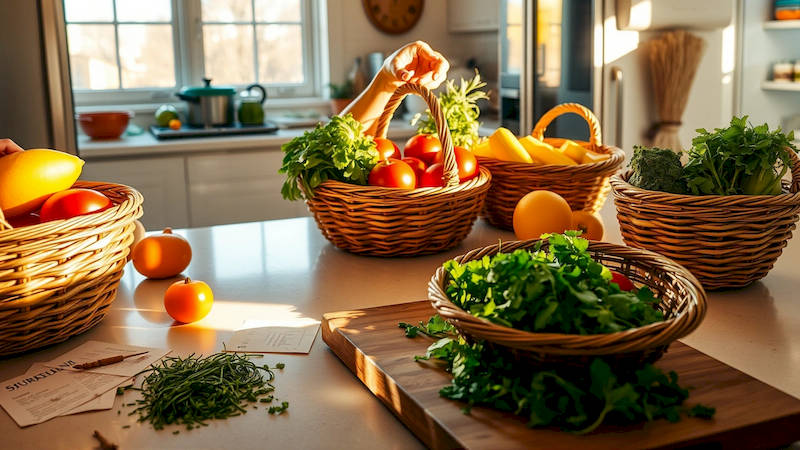
The modern world is a whirlwind. Balancing work, family, social life, and personal well-being often leaves little time for essential tasks like cooking healthy meals. This leads to reliance on expensive takeout, processed foods, and ultimately, a decline in both physical health and financial stability. Meal prepping, once considered a trend, is now a vital life skill for anyone looking to take control of their diet, budget, and time. But meal prep doesn't have to be daunting. In fact, a highly effective and often overlooked strategy lies in leveraging leftovers and building meals around readily available staple ingredients.
This isn’t about spending an entire Sunday slaving away in the kitchen, producing perfectly Instagrammable containers. It’s about smart workflow, recognizing potential in what you already have, and maximizing efficiency. A successful system isn’t just about what you cook, but how you cook, thinking ahead to repurpose ingredients and minimize waste. Doing so can dramatically reduce your grocery bill, decrease your stress levels, and empower you to consistently nourish yourself and your family with wholesome, homemade food, even on the busiest of days.
The foundation of this approach is shifting mindset. We need to move away from viewing leftovers as ‘yesterday’s news’ and embrace them as pre-prepped ingredients for future meals. Similarly, anchoring your kitchen with a core set of staples eliminates panic trips to the store and unlocks incredible versatility. This article will provide a comprehensive, step-by-step guide to mastering this style of meal prep, turning kitchen chaos into calm efficiency and ultimately reclaiming your time and well-being.
- Building Your Staple Ingredient Foundation
- The Art of Leftover Transformation: Proteins
- Vegetable Versatility: Beyond the Side Dish
- The Power of Sauces and Spices: Flavor Bridges
- Planning Your Repurposing Workflow: The Matrix Approach
- Embracing Simplicity: One-Pan Wonders and Sheet Pan Dinners
- Conclusion: Reclaim Your Kitchen, Reclaim Your Time
Building Your Staple Ingredient Foundation
Before diving into leftover repurposing, establishing a well-stocked pantry of staple ingredients is crucial. These form the base of countless meals and allow flexibility when inspiration strikes, or when leftovers are scarce. Think beyond just rice and pasta; consider ingredients that offer both nutritional value and long shelf life. Excellent examples include dried beans & lentils (providing protein and fiber), canned tomatoes (versatile for sauces and soups), whole grains like quinoa or barley, and various spices and herbs.
Successful stapling isn’t just about buying; it’s about strategic purchasing. Utilize sales, bulk bins (where available), and consider purchasing items that can be stored long-term. Investing in airtight containers is also vital to preserve freshness and prevent pantry moths. A truly well-stocked staple pantry enables you to whip up a simple, healthy meal even when grocery shopping isn’t possible. According to a study by the USDA, families who rely heavily on pantry staples tend to have lower grocery bills and consume fewer processed foods.
Expanding beyond the basics, consider including items like jarred olives, capers, mustards, vinegars (apple cider, balsamic, red wine), and even frozen vegetables. These provide immediate flavor boosts without requiring extensive preparation. Regularly inventorying your staples, noting what’s running low, and adding these items to your shopping list will prevent those moments of staring into an empty cupboard. This becomes a rhythm, removing decision fatigue, and setting you up for consistent success.
The Art of Leftover Transformation: Proteins
Repurposing leftover proteins is arguably the most impactful part of this meal prep strategy. A roasted chicken, for instance, isn't just one meal; it’s the foundation for multiple dishes. The first night might be roast chicken with roasted vegetables. The second could be chicken salad sandwiches or wraps, utilizing the shredded meat. The carcass can then be used to create a flavorful and nourishing bone broth, extending the chicken’s utility even further.
Don't limit yourself to obvious applications. Leftover fish can be flaked into fish tacos, stirred into pasta sauce, or used to create a flavorful fish pie. Ground beef can transform from tacos to shepherd's pie to a hearty pasta sauce. The key is to think about flavor profiles. Instead of simply reheating, consider adding different sauces, spices, or vegetables to completely alter the dish. For example, leftover pork roast becomes pulled pork with barbecue sauce, then transforms into Vietnamese banh mi sandwiches.
Consider portioning out leftover protein immediately after cooking. This prevents large portions from spoiling and makes it easier to grab and incorporate into future meals. Storing protein in airtight containers, separated from sauces, also helps maintain its quality and prevents it from becoming soggy. Remember to properly cool leftovers quickly (within two hours) to prevent bacterial growth, and consume them within 3-4 days for optimal safety and flavor.
Vegetable Versatility: Beyond the Side Dish
Vegetables often get overlooked in the repurposing game, tragically relegated to being mere side dishes. However, with a little creativity, leftover roasted or steamed vegetables can become the stars of entirely new creations. Roasted Brussels sprouts, for example, can be added to a frittata or chopped and tossed into a pasta salad. Roasted sweet potatoes can be transformed into a hearty breakfast hash or a flavorful soup.
Think about textures and tastes. Leftover asparagus can be pureed into a vibrant green soup, while roasted carrots can be blended into a creamy dip for vegetables or pita bread. Even seemingly mundane vegetables like broccoli stems can be used! Peel off the tough outer layer and they can be grated into a slaw or diced and added to stir-fries. Don’t discard vegetable scraps either – onion skins, carrot tops, and celery ends can all contribute to a flavorful homemade vegetable broth.
A simple trick is to intentionally roast extra vegetables when you’re making a meal. Knowing you have extra on hand, ready to be incorporated into a future dish, removes a mental hurdle and encourages you to utilize them. This proactive approach, coupled with creative thinking, unlocks the full potential of every vegetable.
The Power of Sauces and Spices: Flavor Bridges
Sometimes, simply transforming the sauce or seasoning is all it takes to make leftovers feel completely new. A batch of homemade pesto, for example, can elevate leftover chicken, pasta, or even eggs. A simple vinaigrette can turn leftover roasted vegetables into a vibrant salad. A sprinkle of curry powder can transform leftover rice into a fragrant fried rice.
Building a collection of versatile sauces and spice blends is akin to having a painter's palette. They allow you to modify flavors quickly and easily, bridging the gap between different cuisines and meal types. Consider making a large batch of tomato sauce or a versatile herb marinade that can be used throughout the week. Explore different spice blends – Cajun, Italian, Moroccan – to add depth and complexity to your dishes.
Don't underestimate the power of simple ingredients like lemon juice, garlic, and chili flakes. These can instantly brighten up a dish and add a touch of freshness. Investing in a good quality olive oil and balsamic vinegar is also a worthwhile investment, as these form the base of many delicious sauces and dressings.
Planning Your Repurposing Workflow: The Matrix Approach
Effective meal prepping using leftovers requires a degree of planning. Instead of haphazardly cooking and hoping for the best, create a "repurposing matrix." This involves intentionally planning how leftovers from one meal will be incorporated into future meals. For example:
- Meal 1: Roasted Chicken with Roasted Vegetables
- Meal 2: Chicken Salad Sandwiches (using leftover chicken)
- Meal 3: Chicken Noodle Soup (using leftover chicken carcass for broth)
- Meal 4: Vegetable Frittata (using leftover roasted vegetables)
This approach minimizes waste, maximizes efficiency, and ensures that you’re consistently creating delicious and healthy meals. The key is to think ahead and consider the different flavor profiles that will work well together.
Embracing Simplicity: One-Pan Wonders and Sheet Pan Dinners
Finally, simplify your cooking process by embracing one-pan wonders and sheet pan dinners. These methods not only minimize cleanup but also often result in generous portions, providing ample leftovers for repurposing. Simply toss your protein and vegetables with your desired seasonings and roast everything together on a single sheet pan.
This approach is particularly effective for utilizing hearty vegetables like potatoes, broccoli, and carrots. You can easily customize the flavor profile by using different spice blends or marinades. For example, a sheet pan dinner with chicken, potatoes, and rosemary is perfect for a classic Mediterranean flavor, while chicken, broccoli, and stir-fry sauce create a quick and easy Asian-inspired meal. The beauty of this method lies in its flexibility and simplicity, making it ideal for busy weeknights and efficient meal prep.
Conclusion: Reclaim Your Kitchen, Reclaim Your Time
Meal prepping with leftovers and staple ingredients is more than just a cooking technique; it’s a lifestyle shift. It’s about consciously choosing to take control of your food, your budget, and your time. By building a foundation of staple ingredients, embracing creative repurposing, and strategically planning your meals, you can transform your kitchen from a source of stress into a hub of efficiency and nourishment. Don’t aim for perfection; start small. Choose one meal a week to repurpose, experiment with different flavors, and gradually expand your repertoire.
The benefits are significant: reduced food waste, lower grocery bills, healthier eating habits, and more free time to enjoy the things you love. Remember, the most successful meal prep system is the one that works best for you. It’s about adapting these strategies to your individual needs and preferences, and ultimately, creating a sustainable and enjoyable way to nourish yourself and your family. Start building your staple pantry today, and embrace the power of leftovers – your future self will thank you.
Deja una respuesta