
Using Vertical Space to Maximize Kitchen Storage
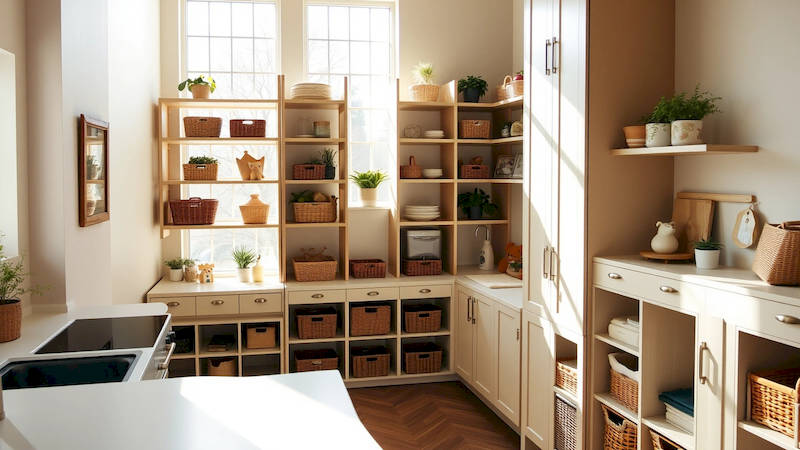
The kitchen. Often hailed as the heart of the home, it frequently ends up feeling… cramped. Between appliances, cookware, pantry staples, and the sheer volume of gadgets most of us accumulate, kitchen space vanishes quickly. But what if the solution isn’t expanding outward – taking over dining rooms or adding extensions – but upward? Utilizing vertical space is arguably the most impactful, cost-effective way to dramatically increase storage in even the smallest kitchens. It’s a concept that moves beyond simply adding shelves; it’s about strategic planning and innovative solutions to transform unused airspace into functional storage zones.
For many, maximizing space feels like a constant battle. Studies show that, on average, homeowners only utilize approximately 30% of the available space in their homes, and the kitchen often ranks as one of the most cluttered areas. “The biggest mistake people make is thinking in terms of floor space only,” says professional organizer Julie Morgenstern, author of Decluttering for Dummies. "They forget that the walls and the space above cabinets are prime real estate waiting to be utilized." This article will delve deep into actionable strategies for leveraging vertical space, turning your kitchen from a chaotic struggle into a streamlined, efficient culinary hub.
This isn’t just about making your kitchen look tidier, though that's a definite benefit. Efficient kitchen organization directly impacts your cooking routines, meal planning, and overall quality of life. Imagine easily accessing ingredients, reducing food waste, and enjoying a more relaxed cooking experience. Investing time in vertical storage solutions is an investment in a more functional and enjoyable home.
- The Power of Upper Cabinets: Beyond Basic Shelving
- Reaching for the Ceiling: Installing High Shelves & Cabinets
- The Wall as Workspace & Storage: Utilizing Vertical Organizers
- The Back of the Door Revolution: Often Overlooked Potential
- Creating Zones: Organizing Vertically by Function
- Conclusion: Elevate Your Kitchen’s Potential
The Power of Upper Cabinets: Beyond Basic Shelving
Upper kitchen cabinets are the most obvious starting point for vertical storage, but they’re often underutilized. Many kitchens feature cabinets with significant unused space above items, particularly if shelves aren’t adjustable. The first step is a complete declutter. Be ruthlessly honest about what you actually use. If an appliance or utensil hasn't seen the light of day in six months, it’s likely time to donate or discard it. Once decluttered, assess the remaining items and plan accordingly.
Adjustable shelving is a game-changer. Simple shelf dividers can instantly create multiple levels within a single shelf, preventing stacking disasters and allowing you to maximize space. Invest in tiered shelf organizers, especially for spices, canned goods, and plates. These create visual clarity, making it easier to find what you need without dismantling the entire cabinet. Consider the height of the items you're storing; taller items should be placed on higher shelves, while frequently used items should be within easy reach.
Beyond standard shelving, explore options like pull-down shelving units. These are particularly helpful for upper cabinets that are difficult to reach. With a gentle pull, the shelf lowers to a more accessible height, eliminating the need for step stools. Another overlooked area is the inner cabinet doors. Install narrow shelves or spice racks on the inside of the doors to take advantage of otherwise wasted space. These are ideal for smaller items like measuring spoons, small jars of spices, or plastic wraps.
Reaching for the Ceiling: Installing High Shelves & Cabinets
For kitchens with sufficient ceiling height, extending storage upwards is a remarkably effective solution. Adding cabinets that reach the ceiling may be a significant investment, but the payoff in storage space can be considerable. Even if full cabinet installation isn’t feasible, consider adding open shelving above existing cabinets. This is a much more affordable option that can dramatically increase storage for less-frequently used items like serving dishes, seasonal decorations, or extra pantry goods.
However, accessibility is key. Items stored on these high shelves must be easily reachable, either with a sturdy step stool or through careful planning. Labeled baskets or bins are crucial for keeping items organized and preventing a cluttered appearance. Choose baskets that are visually appealing and complement your kitchen’s décor. Clear bins allow you to see the contents at a glance, which helps in locating items quickly.
When installing new upper cabinets or shelves, prioritize strong and secure mounting. Consult with a professional installer to ensure the structure can support the weight of the items being stored. Safety should always be the top priority. Don’t compromise on quality; poorly installed cabinets or shelves could pose a significant risk. A proper installation will not only maximize storage but also provide peace of mind.
The Wall as Workspace & Storage: Utilizing Vertical Organizers
The kitchen walls aren’t just for aesthetics; they're phenomenal opportunities for storage and workspace creation. Pot racks hanging from the ceiling or mounted on the wall are a classic solution for freeing up cabinet space. They not only organize pots and pans but also add a visual element to the kitchen. Magnetic knife strips are another space-saving marvel, keeping knives safely and conveniently within reach while freeing up valuable counter and drawer space.
Pegboards are incredibly versatile and customizable. They can be used to hang pots, pans, utensils, spice racks, and even small shelves. Arrange items in a way that makes sense for your cooking workflow. A strategically placed pegboard can transform a blank wall into a highly functional cooking zone. Wall-mounted shelving units, varying in size and style, are also excellent options for displaying cookbooks, storing small appliances, or showcasing decorative items.
Consider vertical organizers designed specifically for lids, cutting boards, or baking sheets. These keep these often-awkward items neatly sorted and prevent them from taking up precious drawer space. Don’t underestimate the impact of simple hooks! They can be used to hang aprons, oven mitts, dish towels, or even small baskets for produce. The more you utilize your wall space, the less cluttered your countertops will become.
The Back of the Door Revolution: Often Overlooked Potential
Doors, often overlooked as potential storage zones, offer a surprising amount of hidden space. Over-the-door organizers are particularly effective for pantries or utility areas. They feature multiple pockets or shelves that can hold spices, snacks, cleaning supplies, or even small appliances. Hang shoe organizers (yes, the kind for shoes!) on the back of the pantry door for a clever and cost-effective storage solution.
Even in the main kitchen area, the back of the cabinet doors presents an opportunity. As mentioned before, smaller shelves or racks are ideal. For instance, consider a small, magnetic strip on the inside of the cabinet door beneath the sink to hold metal sponges and scrub brushes, keeping them organized and out of sight. Don’t be afraid to get creative!
The key to successful door storage is choosing organizers that are lightweight and don't impede the door from closing properly. Avoid overloading the organizers and ensure they are securely attached to the door. A well-planned door storage system can significantly reduce clutter and improve kitchen efficiency.
Creating Zones: Organizing Vertically by Function
Effective kitchen organization relies on creating designated zones for different functions. When utilizing vertical space, apply this principle. For example, a dedicated baking zone could feature upper cabinets with tiered shelves for flour, sugar, and baking powder, combined with a wall-mounted spice rack for cinnamon, nutmeg, and vanilla extract. A coffee/tea station might incorporate a vertical shelf unit for mugs and tea bags, along with a wall-mounted organizer for coffee pods or filters.
Grouping items by function not only makes it easier to find what you need but also encourages efficiency. When everything has a designated place, you're less likely to waste time searching and more likely to maintain a tidy kitchen. Consider how you use your kitchen and tailor your vertical storage solutions to support your specific cooking habits. "Organization is about creating systems that fit your life, not forcing your life to fit a system," emphasizes Morgenstern.
Implementing a zoning strategy vertically involves thinking about frequency of use. High-reach shelves should hold items you access infrequently. Primary cooking zones should be within easy reach, utilizing readily available upper cabinets, wall organizers and door storage. This thoughtful design fosters an efficient and comfortable cooking experience.
Conclusion: Elevate Your Kitchen’s Potential
Maximizing kitchen storage through vertical space is more than just a trend; it's a necessity for maintaining a functional and enjoyable culinary environment. From optimizing upper cabinets with adjustable shelving and door organizers to reaching for the ceiling with new cabinets or open shelving, the possibilities are vast. Remember, the goal isn’t just about fitting more stuff into your kitchen, but about making the space work for you.
The key takeaways are clear: declutter ruthlessly, plan strategically, utilize every inch of vertical space, and create dedicated zones for different functions. Invest in quality organizers and mounting hardware to ensure safety and durability. Don’t be afraid to get creative and experiment with different solutions to find what works best for your kitchen and your lifestyle. Start small - focus on one cabinet or one wall at a time – and gradually transform your kitchen into a space that is both beautiful and incredibly functional. By embracing the power of verticality, you can elevate your kitchen’s potential and rediscover the joy of cooking.
Deja una respuesta