
DIY Concrete Effect Walls for an Industrial Look
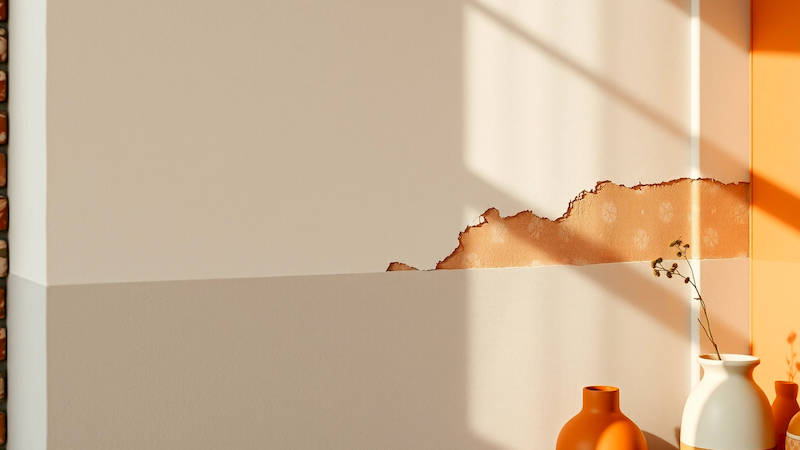
The allure of industrial design continues to hold strong in the realm of home improvement, offering a raw, urban aesthetic that balances ruggedness with modern sophistication. One of the most impactful ways to achieve this look is through concrete effect walls. Traditionally, achieving a concrete wall involved costly renovations and significant construction, utilizing poured concrete or applying thin concrete veneers. However, a surge in innovative DIY techniques has democratized this design trend, making it accessible to homeowners of all skill levels. This article will delve into various DIY methods for creating convincing concrete effect walls, offering a comprehensive guide to materials, techniques, and best practices for a striking transformation.
The growing popularity of the industrial aesthetic is fuelled by a desire for spaces that feel authentic and intentionally unfinished. According to a 2023 report by Houzz, searches for “industrial style” increased by 45% year-over-year, with concrete walls consistently ranking among the most requested features. This isn't simply a fleeting trend; it's a shift towards embracing textural elements and imperfect beauty within interior design. Furthermore, the DIY approach offers significant cost savings compared to professional installations, allowing for creative expression without breaking the bank. This guide will empower you to replicate the look yourself, transforming any room into a stylish, industrial haven.
Understanding the Appeal and Planning Your Project
The beauty of a concrete effect wall lies in its versatility and textural depth. It provides a neutral backdrop that complements a wide range of furniture styles, from minimalist Scandinavian to vintage mid-century modern. The perceived rawness of concrete contrasts beautifully with softer elements like textiles and plants, creating a dynamic and visually engaging space. However, before diving into the application process, meticulous planning is crucial. Consider the size of the wall, the existing condition of the surface, and the overall aesthetic you’re trying to achieve. Sketch out your vision and gather inspiration from online resources like Pinterest and design blogs. It’s also vital to understand the different techniques available, each offering a unique finish and requiring varying levels of skill and investment.
A critical aspect of planning is understanding the potential drawbacks. While DIY concrete effect walls are generally durable, they aren’t as resilient as genuine concrete. They're susceptible to scratches and dents, particularly if not properly sealed. Furthermore, complex techniques, like those involving multiple layers or extensive texturing, can be time-consuming and require a degree of artistic patience. Carefully assess your skill level and time commitment before selecting a method. Also, adequate ventilation is essential when working with paints, plasters, and sealers, so ensure the workspace is well-ventilated or wear a respirator. Finally, properly prepping the wall is paramount - any imperfections will be amplified through the concrete effect.
Method 1: Using Concrete Effect Paint
Concrete effect paint represents the most accessible entry point for achieving the desired look. These paints, formulated with specially selected aggregates, create a textured finish that mimics the appearance of concrete. They are available in a range of colours, although shades of grey are most common and generally preferred for the truly industrial aesthetic. Application is relatively straightforward, making it suitable for beginners. The key lies in achieving an uneven and natural texture, avoiding a perfectly smooth or uniform finish. This can be achieved through various application techniques, including using sponges, rags, or textured rollers.
To begin, thoroughly clean and prime the wall surface. Then, apply the first coat of concrete effect paint, following the manufacturer’s instructions. It’s often recommended to apply thin coats to build up the texture gradually. For a more authentic look, use a sponge or rag to stipple the paint while it’s still wet, creating a mottled effect. Allow the first coat to dry completely before applying subsequent coats. Multiple coats will enhance the depth and dimension of the concrete effect. Finally, seal the wall with a matte varnish to protect it from wear and tear and create a realistic, slightly porous surface. "The beauty of concrete effect paint is its forgiveness," says interior designer Sarah Miller. "You can’t really go wrong; imperfections only add to the authentic look."
Method 2: The Plaster and Paint Technique
This popular method involves applying a textured plaster to the wall, followed by layers of paint to create the concrete illusion. This technique requires a bit more skill and patience than utilizing concrete effect paint, but delivers a more profound and realistic texture. You’ll need a base coat of textured plaster (often a lime-based or ready-mixed option designed for creating tactile surfaces), a selection of grey-toned paints in varying shades, and tools for application – including plastering trowels, sponges, and brushes.
Start by applying the textured plaster to the prepared wall in a thick, uneven layer. Don’t strive for perfection; embrace the natural variations and imperfections. Once the plaster is partially dry – typically within a few hours, based on the product used – begin applying the first coat of grey paint. Then, use a sponge to remove some of the paint, revealing the plaster texture beneath. Repeat this process with progressively lighter shades of grey, building up layers to create depth and dimension. The goal is to mimic the subtle variations in colour and texture found in real concrete. Finally, seal the wall with a matte polyurethane varnish for durability and protection.
Method 3: Using Microcement – A More Durable Option
Microcement is a cement-based coating primarily used for renovating surfaces, but it’s also an excellent option for creating a durable and authentic concrete effect wall. While it's more expensive than paint or plaster, the result is significantly more robust and resistant to wear and tear. Microcement is applied in thin layers, typically 2-3mm thick, directly onto the existing surface. It also offers more flexibility in terms of application, able to be applied to various surfaces including tiles, plasterboard, and even floors.
The application of microcement requires expertise and precision. It’s best to either invest in proper training or hire a professional if you’re unfamiliar with the process. The wall must be primed correctly, and the microcement applied in multiple thin coats, allowing each coat to dry completely before applying the next. Specialized tools, like stainless steel trowels, are used to create a smooth, seamless finish. Once the final coat is applied and polished, the wall is sealed with a polyurethane varnish to protect it from moisture and stains. While it’s a more involved process, the longevity and authentic look of a microcement wall make it a worthwhile investment for high-traffic areas.
Sealing and Maintaining Your Concrete Effect Wall
Regardless of the chosen method, sealing is a crucial step in protecting your concrete effect wall and ensuring its longevity. Sealers create a barrier against moisture, stains, and everyday wear and tear. There are several types of sealers available, including polyurethane varnish, acrylic sealers, and epoxy resins. Polyurethane varnish is a popular choice for its durability and resistance to abrasion, while acrylic sealers are easier to apply but offer less protection. Epoxy resins provide the highest level of protection but are more challenging to work with.
Before applying the sealer, ensure the wall is completely clean and dry. Apply the sealer in thin, even coats, following the manufacturer’s instructions. Multiple coats may be necessary to achieve adequate protection. Regular maintenance, such as dusting and occasional cleaning with a mild detergent, will help keep your concrete effect wall looking its best. Avoid abrasive cleaners, as these can damage the finish. "A good sealer is your best defense against the inevitable wear and tear," notes contractor David Chen. "It's a relatively small investment that will significantly extend the life of your concrete effect wall."
Conclusion: Embracing the Industrial Aesthetic in Your Home
Creating a DIY concrete effect wall is a rewarding project that can dramatically transform your living space, bringing the raw, urban allure of industrial design into your home. From the accessible simplicity of concrete effect paint to the durable sophistication of microcement, there’s a method to suit every skill level and budget. Remember that careful planning, meticulous preparation, and attention to detail are key to achieving a realistic and lasting finish. Don’t be afraid to experiment with textures and colours to create a unique look that reflects your personal style.
The key takeaways are to prioritize wall preparation, understand the nuances of each application method, and invest in a quality sealant for long-term protection. By following the guidance provided in this article, you can confidently embark on your DIY journey and create a stunning concrete effect wall that will become a focal point in your home. Further research into specific products and techniques will solidify your understanding, and online tutorials can offer valuable visual guidance. Embrace the imperfections, and enjoy the process of transforming your space with a touch of industrial chic.
Deja una respuesta