
Creative Stenciling Ideas for Personalized Wall Art
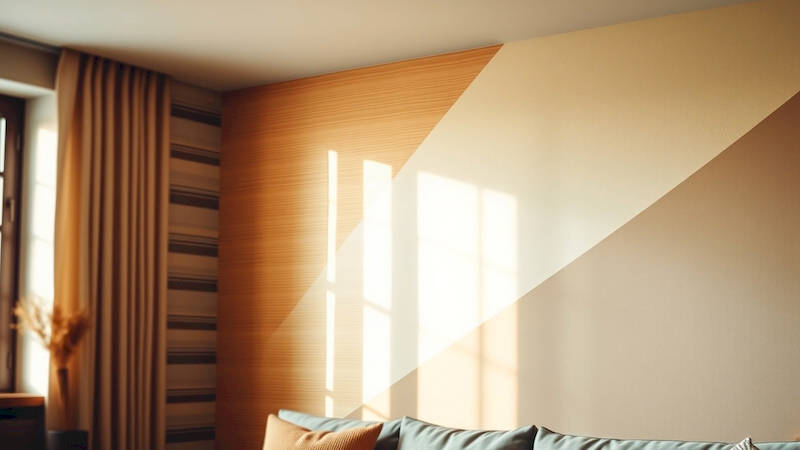
Stenciling, often overlooked in the age of readily available wall decals and wallpaper, is experiencing a remarkable resurgence in popularity. It’s a deceptively simple technique that allows homeowners and renters alike to inject personality and bespoke artistry into their living spaces without the commitment – or cost – of extensive renovations. Beyond a simple paint application, stenciling offers a vast spectrum of design possibilities, from delicate all-over patterns to bold, statement-making murals. This article will delve into the world of stenciling, showcasing innovative ideas, providing detailed application techniques, and equipping you with the knowledge to transform your walls into stunning works of art, reflecting your unique style and vision. We'll explore everything from choosing the right stencil and paint to mastering different application methods and troubleshooting common issues.
The beauty of stenciling lies in its versatility. It’s not merely limited to replicating pre-defined designs. With a little creativity and the right tools, you can create custom stencils, experiment with color palettes, and layer patterns for a truly one-of-a-kind look. Moreover, stenciling isn’t restricted to walls; it can be adapted for furniture, fabrics, and even floors, offering a cohesive design aesthetic throughout your home. According to a recent survey by the American Home Decor Association, 65% of homeowners are actively seeking ways to personalize their spaces, with DIY projects like stenciling gaining significant traction. This reflects a growing desire for authenticity and a move away from mass-produced, generic décor.
This article is intended to be a comprehensive guide, catering to both newcomers venturing into the world of stenciling and seasoned DIY enthusiasts looking for inspiration and advanced techniques. We’ll cover a range of techniques suitable for different skill levels, budgets, and interior design preferences. Get ready to unleash your inner artist and discover how stenciling can elevate your home’s aesthetic to new heights.
- Choosing the Right Stencil and Materials
- Mastering Basic Stenciling Techniques
- Exploring Different Stenciling Styles and Patterns
- Stenciling Furniture: Expanding Beyond Walls
- Troubleshooting Common Stenciling Issues
- Beyond the Basics: Advanced Techniques and Customization
- Conclusion: Transforming Spaces with Artistic Flair
Choosing the Right Stencil and Materials
Selecting the right stencil is paramount to achieving a professional and visually appealing result. Stencils come in a massive variety of materials, designs, and sizes. Mylar stencils are a popular choice for their durability and reusability, making them ideal for multi-layered designs or larger projects. Paper stencils are more affordable but less durable and are best suited for one-time use or smaller-scale designs. Vinyl stencils offer a happy medium, providing a balance between durability and cost-effectiveness, but can sometimes be more challenging to remove cleanly. Consider the intricacy of the design when choosing a material; highly detailed stencils generally require a more rigid material like Mylar to prevent tearing.
Beyond the material, the design itself is crucial. For beginners, starting with simpler patterns such as geometric shapes, floral motifs, or basic repeating designs is advisable. More experienced stencil artists can tackle complex designs, custom creations, or even freehand stencil cutting. Online resources like Etsy, Cutting Edge Stencils, and Royal Design Studios offer a vast marketplace for pre-made stencils, while design software programs like Adobe Illustrator or Inkscape allow you to create your own unique designs. “The key is to choose a stencil that complements your existing décor and reflects your personal style,” advises interior designer Sarah Miller, “Avoid overly trendy designs that may quickly fall out of favor.”
Finally, the tools and materials supporting the stenciling process are vital. You'll require stencil brushes, foam rollers, painter's tape, a level, a drop cloth, and of course, your paint. Acrylic paints are often recommended for their quick drying time and ease of cleanup, however, chalk paint can create a unique, distressed effect, and specialty paints like metallic or glitter paints can add a touch of glamour. High-quality painter’s tape is a must to secure the stencil and prevent paint bleed-through; consider using a low-tack tape to minimize the risk of damaging the wall surface.
Mastering Basic Stenciling Techniques
The fundamental technique of stenciling revolves around preventing paint from seeping under the stencil, which can result in blurry edges and a less polished finish. The "stippling" method, using a stencil brush with an upward and downward tapping motion, is a classic choice for creating a layered, textured effect. It’s crucial to load the brush with only a small amount of paint, and then offload any excess onto a paper towel before applying it to the stencil. This helps control the amount of paint and minimize the risk of bleed-through.
Alternatively, you can use a foam roller for larger areas or designs with less intricate details. Similar to stippling, less is more when it comes to applying paint with a roller. Roll off any excess paint onto a paper towel before applying it to the stencil in a light, even layer. For multi-layered stencils, it’s important to allow each layer to dry completely before applying the next. Using painter's tape to secure the stencil firmly to the wall is non-negotiable. Ensure the tape forms a complete seal around the edges of the stencil; a slightly sticky tacking spray can further enhance adhesion, particularly on textured surfaces.
Proper preparation is also paramount. Ensure the wall surface is clean, dry, and primed. Fill any holes or imperfections before beginning, and apply a base coat of paint in the desired background color. A smooth, even surface will ensure a crisp, clean stencil result. Remember to regularly clean your stencils with mineral spirits, especially when working with oil-based paints, to maintain their usability.
Exploring Different Stenciling Styles and Patterns
Beyond the basic techniques, the world of stenciling offers numerous stylistic avenues to explore. The Moroccan stencil style, characterized by intricate geometric patterns and elaborate designs, is a popular choice for adding a touch of exotic flair to a room. These stencils often feature floral motifs, arabesques, and bold, contrasting colors. French Country stenciling, on the other hand, employs softer, more muted tones and features floral designs, toile patterns, and pastoral scenes, evoking a sense of rustic elegance.
All-over stenciling, creating a repeated pattern across an entire wall, is a statement-making technique. This can be achieved using a single stencil design or by combining multiple designs for a more eclectic look. A gradient effect, achieved by blending different shades of the same color, can add depth and dimension to an all-over stencil design. For a more contemporary aesthetic, consider using geometric patterns like chevrons, triangles, or abstract shapes. Layering different stencil designs can also create a unique and artistic effect. Start with a base layer of a larger, less intricate design, and then layer smaller, more detailed designs on top for added visual interest.
Consider the room’s function when choosing a style. Bold, vibrant stencils can energize a living room or playroom, while softer, more subdued stencils are better suited for bedrooms or nurseries.
Stenciling Furniture: Expanding Beyond Walls
Stenciling isn’t confined to walls; it’s a fantastic way to upcycle and personalize furniture. Old dressers, side tables, chairs, and even headboards can be transformed with a fresh coat of paint and a creatively stenciled design. When stenciling furniture, proper surface preparation is even more crucial. Thoroughly sand the furniture piece to create a smooth, even surface for the paint to adhere to. Apply a primer to block any existing stains or tannins from bleeding through and ensure even paint coverage.
For intricate furniture details, consider using smaller stencils and a fine-tipped stencil brush for greater precision. Distressing the stenciled design with sandpaper after the paint is dry can create a vintage, shabby-chic look. Protect your finished work with a coat of polyurethane or varnish to provide durability and resistance to wear and tear. Stenciling furniture allows for a personalized touch that’s far more affordable and sustainable than purchasing new items.
Consider incorporating stencils into unexpected furniture elements. For example, stenciling the inside back of a bookcase or the drawer fronts of a dresser can add a hidden surprise and a unique design element.
Troubleshooting Common Stenciling Issues
Even with careful preparation and technique, stenciling can sometimes present challenges. Paint bleed-through is arguably the most common issue. Using less paint, offloading excess paint onto a paper towel, and ensuring a tight seal around the stencil with painter’s tape are crucial preventative measures. If bleed-through does occur, you can carefully remove it with a small brush and the base coat paint. Cracking or chipping of the stencil can occur, especially with paper stencils. Avoid using excessive pressure when applying paint, and consider reinforcing the stencil with painter’s tape to prevent it from tearing.
Uneven paint coverage can result from using an inconsistent application technique or a poorly chosen stencil brush. Ensure you're using a consistent stippling or rolling motion, and experiment with different brush types to find one that suits your needs. Ghosting, a faint outline of the stencil left on the wall after removal, can occur when the paint hasn’t fully dried. Allow ample drying time between stencil applications, and consider applying a second coat of paint to cover any ghosting.
Finally, if you accidentally move the stencil during application, creating a smudged or misaligned design, don’t panic. Carefully correct the mistake with a small brush and the base coat paint. Remember, practice makes perfect, and don’t be afraid to experiment and learn from your mistakes.
Beyond the Basics: Advanced Techniques and Customization
For those ready to push their stenciling skills to the next level, several advanced techniques offer exciting possibilities. Creating custom stencils using a cutting machine like a Cricut or Silhouette allows for unparalleled design flexibility. These machines can cut intricate designs from various materials, including Mylar and vinyl, empowering you to personalize your stencils to your exact specifications.
Another advanced technique is registering stencils, which involves precisely aligning multiple stencils to create a larger, more complex design. This requires careful planning and the use of registration marks to ensure accurate alignment. Ombre stenciling, blending multiple shades of a color within a single stencil design, adds depth and dimension and can create a stunning visual effect. Mixed media stenciling, combining stenciling with other artistic techniques like crackle medium or gilding, can add texture and visual interest.
"Don't be afraid to experiment with different techniques and push the boundaries of what's possible with stenciling," encourages artist and stencil designer, Lisa Long. “Stenciling is a versatile medium that allows for endless creative expression."
Conclusion: Transforming Spaces with Artistic Flair
Stenciling offers a remarkably accessible and rewarding avenue for personalizing your home decor. From simple geometric patterns to intricate murals, the possibilities are limited only by your imagination. By choosing the right stencil, mastering basic techniques, and exploring different styles, you can transform your walls and furniture into stunning works of art. Remember to prioritize preparation, use quality materials, and practice patience.
The key takeaways from this guide are: selection of the appropriate stencil material, mindful paint application to prevent bleed-through, and a willingness to experiment with different styles and techniques. For newcomers, begin with simple designs and gradually work your way up to more complex projects. Don’t hesitate to seek inspiration online or from interior design magazines. And above all, have fun! Stenciling is a creative process that allows you to express your unique personality and create a home that truly reflects your style. Consider starting with a small accent wall or a piece of furniture to build confidence. With a little practice and creativity, you’ll be stenciling like a pro in no time.
Deja una respuesta