
Tips for Waterproofing Your Bathroom Before a Renovation
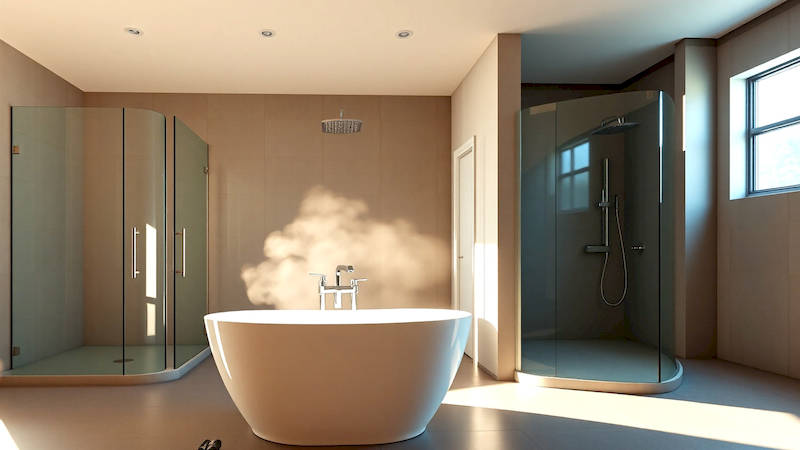
The bathroom. It’s a room we often take for granted, a daily necessity, but also a potential source of significant headaches if not properly maintained. A bathroom renovation, while exciting, can quickly turn into a costly nightmare if underlying waterproofing issues aren't addressed before the new tile goes down or the vanity is installed. Water damage is one of the most common and expensive problems homeowners face, contributing to mold growth, structural damage, and diminished property value. Proactive waterproofing isn’t just about preventing leaks; it’s about safeguarding your investment, ensuring the longevity of your renovation, and protecting your health.
Ignoring pre-renovation waterproofing is akin to building a beautiful house on a shaky foundation. The aesthetic appeal and functional improvements of a new bathroom are rendered meaningless if hidden moisture slowly erodes the structural integrity of your home. This guide will delve deep into the crucial steps, materials, and considerations necessary to comprehensively waterproof your bathroom before you begin your renovation, transforming it into the relaxing and resilient space it deserves to be. We’ll cover everything from identifying existing vulnerabilities to selecting the right waterproofing membrane and ensuring proper application.
- Identifying Existing Vulnerabilities: A Thorough Inspection
- Subfloor and Backerboard: The Foundation of Waterproofing
- Selecting the Right Waterproofing Membrane: A Deep Dive
- The Art of Application: Best Practices and Common Pitfalls
- Protecting Penetrations: Ensuring Watertight Seals Around Fixtures
- Conclusion: Investing in Long-Term Bathroom Health
Identifying Existing Vulnerabilities: A Thorough Inspection
Before even thinking about demolition, a meticulous inspection is paramount. This isn’t just a quick glance for obvious leaks; it requires a methodical approach to uncover hidden issues. Start by examining the entire bathroom – floors, walls, around the toilet base, the shower or tub enclosure, and even the ceiling below the bathroom (if accessible). Look for signs of water damage such as discolored grout, stained ceilings, bubbling paint or wallpaper, warped flooring, or a musty odor. These are all red flags indicating existing moisture problems that need addressing.
A crucial step is to check the existing subfloor and wallboard, even if no visible signs of water damage are present. Probe the material with a screwdriver in discreet areas, looking for soft spots or crumbling. These indicate wood rot or compromised structural integrity. Don’t forget to inspect around plumbing penetrations – pipes, drains, and faucets. These are common entry points for water. Consider hiring a professional plumber or home inspector to conduct a moisture meter reading. These devices detect moisture levels within building materials, providing a more accurate assessment of potential problems, even behind surfaces. A professional inspection can also reveal hidden leaks within the walls or under the floor that you might miss.
Often overlooked, the condition of the window and door seals can also contribute to moisture intrusion. Any gaps or deteriorated sealant should be addressed. Remember, addressing these vulnerabilities before starting the renovation will prevent the issues from being compounded by the new finishes. Delaying these repairs could result in significantly more extensive and costly damage later on.
Subfloor and Backerboard: The Foundation of Waterproofing
The subfloor and backerboard are arguably the most critical components in bathroom waterproofing. A compromised subfloor can quickly lead to structural issues and costly repairs. Before installing new flooring or tile, ensure the existing subfloor is sound and level. If it’s damaged, it must be replaced. For wet areas like shower bases, traditional plywood subflooring is generally not suitable due to its susceptibility to water damage. Instead, consider using a waterproof subfloor system specifically designed for wet environments, such as Schluter Ditra or similar products.
Backerboard, typically cement board, forms the foundation for tiled surfaces. While cement board is more water-resistant than traditional drywall, it isn't waterproof. It needs to be properly sealed and protected with a waterproofing membrane. Incorrect installation of backerboard is a common source of leaks. Backerboard sheets must be staggered, with seams tightly butted together, and fastened securely with appropriate screws. Ensure the screws are properly embedded and don’t strip the board. All seams and screw holes must be taped and mudded with modified thin-set mortar, specifically designed for backerboard. This creates a continuous, watertight surface, preventing water from penetrating to the underlying structure.
It's also important to ensure sufficient slope towards the drain within the shower area. This prevents water from pooling and potentially seeping through the waterproofing membrane. A properly sloped shower base is essential for effective drainage and long-term waterproofing. According to the Tile Council of North America (TCNA), a minimum slope of ¼ inch per foot is recommended.
Selecting the Right Waterproofing Membrane: A Deep Dive
Choosing the right waterproofing membrane is vital for long-term peace of mind. There are several options available, each with its own pros and cons. Liquid-applied membranes, like RedGard or Hydro Ban, are popular choices due to their ease of application and seamless coverage. These membranes create a rubberized coating that effectively seals surfaces. However, proper application requires meticulous attention to detail, including multiple coats and careful attention to corners and seams.
Sheet membranes, like Schluter Kerdi, offer a more robust and reliable barrier. These membranes are applied in sheets and sealed with specialized tape and sealant. They are particularly well-suited for shower bases and wall surrounds. Though slightly more expensive and requiring a bit more skill to install, sheet membranes offer a higher degree of waterproofing protection.
Another option gaining traction is self-adhesive membranes. These membranes offer a good balance between ease of application and waterproofing performance. They are particularly useful for smaller areas or complex shapes. When selecting a membrane, consider the specific area you're waterproofing, your skill level, and your budget. Importantly, always follow the manufacturer's instructions carefully regarding surface preparation, application techniques, and drying times. A compromised application, regardless of the membrane quality, will ultimately lead to failure.
The Art of Application: Best Practices and Common Pitfalls
Applying a waterproofing membrane isn’t just about slapping it on; it’s an art form that demands precision and attention to detail. Before applying any membrane, the surface must be clean, dry, and free of any debris or contaminants. For liquid-applied membranes, priming the surface is essential for proper adhesion. Apply the membrane in thin, even coats, following the manufacturer's recommended coverage rate. Multiple coats are typically required to achieve the desired thickness and waterproofing performance. Pay extra attention to corners, seams, and around penetrations – these are the most vulnerable areas.
With sheet membranes, overlap seams according to the manufacturer’s specifications and use the appropriate sealant to create a watertight seal. Ensure the membrane is fully bonded to the substrate, avoiding air pockets or wrinkles. A common pitfall is attempting to cut corners or rush the process. Waterproofing is not an area to compromise on; a thorough and meticulous application is crucial for preventing leaks and ensuring long-term performance. Check local building codes – many jurisdictions require specific waterproofing standards for bathrooms.
Consider hiring a professional applicator if you’re not comfortable with the application process. A qualified professional will have the experience and expertise to ensure the membrane is installed correctly, providing you with a watertight seal and peace of mind.
Protecting Penetrations: Ensuring Watertight Seals Around Fixtures
Penetrations – pipes, drains, faucets, and shower valves – are prime candidates for water intrusion. Simply applying a waterproofing membrane around these areas isn't sufficient. Specialized waterproof sealing solutions are needed to ensure a watertight seal around these fixtures. For example, shower valves often require the use of a waterproof sealing ring or collar that's integrated into the valve body, creating a mechanical seal that prevents water from entering behind the wall.
Around pipes and drains, use a flexible waterproof sealant specifically designed for plumbing applications. Apply a generous bead of sealant around the penetration, ensuring a complete and watertight seal. For recessed niches or shelves, use a pre-fabricated waterproof niche kit or carefully seal the edges with a waterproof membrane and sealant. Remember, even a small gap can allow water to seep through and cause significant damage over time. Don’t underestimate the importance of these details – they can make the difference between a watertight bathroom and a costly repair.
Conclusion: Investing in Long-Term Bathroom Health
Waterproofing your bathroom before a renovation is not merely an optional step; it's a fundamental investment in the longevity, value, and health of your home. By diligently identifying existing vulnerabilities, utilizing appropriate materials like waterproof subfloors and backerboard, selecting the correct waterproofing membrane, and executing a meticulous application process, you're establishing a robust barrier against water damage. Focusing on properly sealing penetrations around fixtures is equally crucial, completing the system and mitigating the risk of leaks.
Successfully waterproofing your bathroom requires a proactive and comprehensive approach. Don’t cut corners, and don't hesitate to seek professional help when needed. The initial investment in proper waterproofing will far outweigh the cost of repairing water damage down the road. By prioritizing waterproofing, you're not just renovating a bathroom; you're safeguarding your sanctuary and ensuring years of peaceful enjoyment. Remember, a dry bathroom is a happy bathroom – and a happy home.
Deja una respuesta