
How to Create a Sustainable Outdoor Kitchen on a Budget
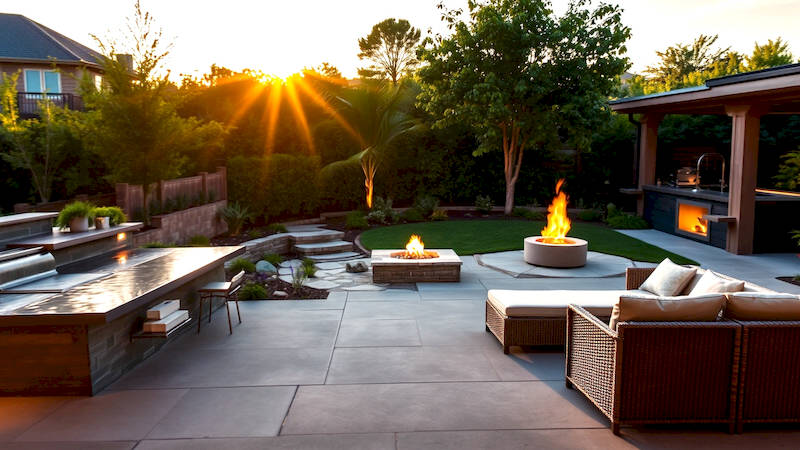
The allure of an outdoor kitchen is undeniable. It’s a space for convivial gatherings, relaxing meals, and expanding your living area into the fresh air. However, the vision of stainless steel appliances, intricate stonework, and dedicated plumbing can quickly translate to a hefty price tag. Fortunately, a stunning and functional outdoor kitchen doesn’t necessitate a complete renovation or emptying your savings account. By embracing sustainable practices, resourceful sourcing, and a DIY spirit, you can create a beautiful and eco-friendly outdoor culinary hub without breaking the bank. This article will guide you through the process, offering practical steps and strategies for building a sustainable outdoor kitchen, even on a limited budget.
The growing interest in outdoor living reflects a broader cultural shift toward connecting with nature and maximizing home enjoyment. Recent surveys show that homeowners are increasingly prioritizing outdoor spaces, with outdoor kitchen installations rising by 23% in the last five years (American Society of Landscape Architects, 2023). However, concerns about environmental impact and cost-effectiveness are also rising. Sustainability isn't just about environmental responsibility; it also often translates to long-term cost savings through durable materials and energy-efficient design. Building responsibly and affordably goes hand in hand, making the dream of an outdoor kitchen attainable for more people.
- Planning & Design: The Foundation of Affordability and Sustainability
- Sourcing Sustainable and Budget-Friendly Materials
- DIY Construction: Saving Money and Building Skills
- Appliances and Equipment: Prioritizing Efficiency & Affordability
- Landscaping & Softscaping: Integrating with Nature
- Conclusion: Savoring Sustainable Outdoor Living
Planning & Design: The Foundation of Affordability and Sustainability
Before even considering materials or construction, a well-defined plan is critical. This stage is where you'll define the scope of your project, prioritize features, and establish a realistic budget. Sustainability should be woven into this process from the beginning. Start by assessing your existing outdoor space – consider sunlight exposure, prevailing winds, proximity to the house, and access to utilities. A flawlessly designed space that complements its surroundings will not only be more enjoyable but can also minimize the need for extensive site preparation, saving both money and environmental impact.
Detailed planning includes mapping out the kitchen's layout, accounting for essential components like a grill, counter space, sink, and storage. Prioritize functionality. Do you need a full-service kitchen with a refrigerator and side burner, or will a simple grill and prep station suffice? Scaling back unnecessary features immediately reduces costs. Think about the flow of movement. You don’t want to be constantly crisscrossing the yard between the house and the cooking area. The homeowner’s lifestyle should guide design decisions: a family that loves to entertain will have different needs than a couple that enjoys quiet al fresco dining.
Finally, embrace the principles of passive design. Orient the kitchen strategically to maximize shade during peak sun hours (reducing the need for artificial cooling) and utilize natural wind patterns for ventilation. This consideration not only enhances comfort but also lowers energy consumption. Consider digital planning tools – several free or low-cost landscaping apps allow you to visualize your design and experiment with different layouts.
Sourcing Sustainable and Budget-Friendly Materials
The materials you choose have a significant impact on both the sustainability and cost of your outdoor kitchen. Avoid expensive, resource-intensive materials like imported granite or extensively processed composite decking. Instead, focus on locally sourced, recycled, or reclaimed options. Concrete is a surprisingly versatile and affordable choice for countertops and base structures. It’s durable, can be tinted or stained to achieve a desired aesthetic, and often has a relatively low carbon footprint, particularly if locally produced.
Reclaimed wood is an excellent option for cabinetry or accent pieces. Salvaged lumber from old barns, fences, or deconstructed buildings possesses character and charm while diverting waste from landfills. Check local salvage yards, online marketplaces (like Craigslist or Facebook Marketplace), and demolition companies for affordable reclaimed wood. For flooring, consider permeable pavers or gravel, which allow rainwater to seep into the ground, reducing runoff and replenishing groundwater. These options are also typically cheaper than poured concrete or traditional paving stones.
Don't underestimate the power of repurposing. Old pallets can be disassembled and used to build furniture or vertical gardens. Discarded bricks can be used to create accent walls or pathway borders. Getting creative with repurposing significantly reduces material costs – and adds a unique, personalized touch to your outdoor kitchen. Look for materials that are naturally durable and require minimal maintenance, reducing the need for harmful chemicals and costly replacements in the long run.
DIY Construction: Saving Money and Building Skills
Labor costs represent a substantial portion of any kitchen project. Taking on as much of the construction yourself as possible is the most effective way to save money. While some tasks, like electrical or plumbing work, may require hiring a licensed professional, many aspects of outdoor kitchen construction can be readily tackled by a reasonably handy homeowner. Start small, focusing on simpler projects like building a basic frame for the kitchen island or assembling cabinetry.
Online resources, such as YouTube tutorials and DIY blogs, offer a wealth of knowledge and step-by-step instructions. Don't be afraid to ask for help from friends or family with construction experience. A weekend workshop with a knowledgeable friend can save you both money and potential mistakes. Investing in a few essential tools will also be necessary, but these can often be rented rather than purchased, further reducing upfront costs. Remember to prioritize safety; always wear appropriate personal protective equipment and follow proper construction techniques.
Building your own outdoor kitchen isn’t just about saving money; it's also empowering and rewarding. It allows you to customize every detail to your exact specifications and take pride in the knowledge that you created something beautiful and functional with your own hands. It's also an opportunity to learn new skills that can be applied to future home improvement projects.
Appliances and Equipment: Prioritizing Efficiency & Affordability
When it comes to appliances, focus on functionality and energy efficiency rather than extravagant features. A high-end, stainless steel built-in grill might be tempting, but a more affordable, propane-powered portable grill can deliver excellent performance at a fraction of the cost. Consider a charcoal grill for a more sustainable option – charcoal is a renewable resource, especially when sourced from sustainably managed forests. An electric smoker utilizing renewable energy sources is another sustainable choice.
For refrigeration, a portable cooler or a small, energy-efficient outdoor refrigerator can suffice. Avoid unnecessary extras like ice makers or wine coolers. When choosing appliances, look for Energy Star-certified models, which are designed to consume less energy and water. Prioritize durable, well-built appliances that will last for years, reducing the need for frequent replacements.
Consider repurposing existing appliances whenever possible. An old side table can be repurposed as a prep station, or a discarded bookshelf can be transformed into outdoor storage. Don’t be afraid to shop second-hand for appliances in good working condition. You can often find incredible deals on gently used equipment at consignment shops and online marketplaces.
Landscaping & Softscaping: Integrating with Nature
A sustainable outdoor kitchen isn't just about the built structures; it’s also about integrating with the surrounding landscape. Incorporate native plants into your design, as they require less water, fertilizer, and pesticides than non-native species. Create a pollinator garden to attract beneficial insects and support local ecosystems. Utilize drought-tolerant landscaping techniques, such as xeriscaping, to minimize water usage.
Use mulch – particularly organic mulch like wood chips or shredded leaves – to suppress weeds, retain moisture in the soil, and enrich the soil as it decomposes. Construct raised garden beds using reclaimed wood to grow herbs and vegetables, providing fresh ingredients for your outdoor culinary creations. Vertical gardens are a great way to maximize space and add visual interest.
Consider incorporating permeable surfaces around the kitchen area to allow rainwater to infiltrate the ground, reducing runoff and replenishing groundwater. Arrange seating spaces to take advantage of natural shade provided by trees or shrubs, minimizing the need for artificial shade structures. The goal is to create an outdoor kitchen that feels like a natural extension of your backyard, rather than an imposing structure.
Conclusion: Savoring Sustainable Outdoor Living
Creating a sustainable outdoor kitchen on a budget is not only achievable but also incredibly rewarding. By embracing thoughtful planning, resourceful material sourcing, DIY construction, mindful appliance selection, and a commitment to integrating with nature, you can build a beautiful, functional, and eco-friendly outdoor culinary space that will enhance your lifestyle for years to come. Remember that sustainability isn’t about sacrificing comfort or style; it's about making conscious choices that benefit both your wallet and the planet.
The key takeaways are to prioritize functionality over extravagance, embrace repurposed and reclaimed materials, tackle as much of the construction yourself as possible, and integrate your kitchen with the surrounding landscape. Don’t be afraid to get creative and think outside the box. Your dream outdoor kitchen is within reach – and by building it sustainably, you’ll be contributing to a healthier, more resilient future. The initial investment of time and effort will undoubtedly pay off in abundant outdoor enjoyment and lasting value, offering a peaceful retreat and a culinary haven for you, your family, and your friends.
Deja una respuesta