
Designing a Cozy Fire Pit Area for Year-Round Outdoor Enjoyment
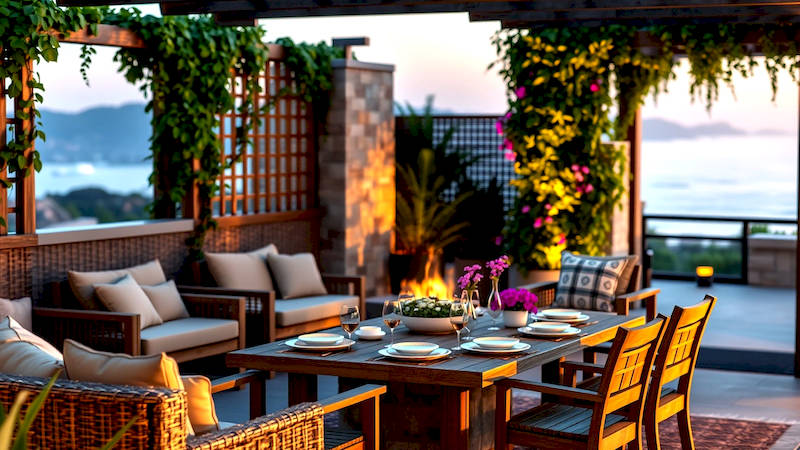
The allure of a crackling fire extends far beyond chilly winter nights. A well-designed fire pit area transforms an outdoor space into a versatile hub for year-round enjoyment – a place to gather with friends and family, share stories, enjoy quiet evenings, or simply bask in the warmth and ambiance. In recent years, there’s been a significant surge in popularity of outdoor living spaces, fueled by a desire for extended living areas and a connection with nature. According to the American Society of Landscape Architects (ASLA) 2023 Residential Landscape Architecture Trends survey, fire pits and outdoor fireplaces consistently rank as some of the most popular features homeowners are seeking.
Creating a cozy fire pit area isn’t merely about digging a hole and building a fire; it’s about crafting an inviting and functional extension of your home. It requires careful consideration of factors like location, materials, seating, safety, and even how to adapt the space for different seasons. This article will provide a comprehensive guide to designing a fire pit area that not only looks beautiful but also offers year-round comfort and enjoyment, elevating your outdoor living experience. We’ll delve into everything from choosing the right fire pit type to creating a surrounding landscape that promotes relaxation and connection.
Selecting the Right Fire Pit Type
The foundation of any fire pit area is, naturally, the fire pit itself. The options are surprisingly diverse, each with its own set of advantages and disadvantages. Traditional wood-burning fire pits offer the classic appeal of a real wood fire, along with the inherent scent and sounds. However, they require more maintenance – sourcing, storing, and replenishing wood, as well as managing ashes. Furthermore, local regulations regarding wood-burning fires are becoming increasingly stringent due to air quality concerns. Gas fire pits, both propane and natural gas, provide convenience and ease of use. They ignite instantly, offer adjustable flame heights, and produce less smoke. "The simplicity of a gas fire pit cannot be overstated," explains landscape architect, Emily Carter. “Homeowners gain the ambiance without the hassle, which is a major selling point for busy individuals and families."
Beyond fuel type, consider the material of the fire pit. Stone, brick, and concrete are popular choices for their durability and aesthetic versatility. Copper fire pits offer a rustic charm and develop a beautiful patina over time. Metal fire pits are lightweight and portable, perfect for smaller spaces or those who like to rearrange their outdoor areas. The size of the fire pit should also be proportional to your space and intended use. A smaller pit is ideal for intimate gatherings, while a larger one can accommodate a group. It’s crucial to check local building codes and fire regulations before making any final decisions, ensuring compliance with safety standards.
Defining the Space and Layout
Once you’ve selected your fire pit, it’s time to define the surrounding space. The layout should prioritize comfort, functionality, and flow. Consider the natural contours of your yard and how the fire pit area will integrate with existing landscaping. Avoid placing the fire pit directly under overhanging trees or near flammable structures such as sheds or fences. A relatively flat, open area is generally best. A circular or semi-circular layout is common, with seating arranged around the fire pit to encourage conversation and a sense of community.
The size of the surrounding area should be generous enough to allow for comfortable movement without feeling cramped. Incorporating walking paths or stepping stones connecting the fire pit area to other parts of your yard can create a seamless transition. Think about zoning the space – perhaps designating an area for seating, another for food and drinks, and a final area for warming up via the fire. Using different materials, such as gravel or pavers, can visually delineate these zones. For example, a patio of stacked flagstone can create a nice seating area, while decomposed granite can make a path leading to the fire pit.
Choosing Comfortable and Durable Seating
Seating is arguably the most important element of a cozy fire pit area. The goal is to create a space where people can relax and linger for hours. Options range from traditional Adirondack chairs and benches to more modern lounge furniture. Comfort is paramount; consider the ergonomics of the seating and whether it provides adequate support. Durability is also key, especially if the furniture will be exposed to the elements year-round. Materials like teak, cedar, and all-weather wicker are naturally resistant to moisture and decay.
Don’t limit yourself to conventional furniture. Consider incorporating built-in seating around the fire pit, using stone or brick. This can create a more permanent and integrated feel. Cushions and throws will add an extra layer of comfort and style – choose fabrics that are weather-resistant and easy to clean. As a practical tip, think about storage solutions for cushions and throws when they’re not in use – a waterproof storage bench or deck box can be a lifesaver. Additionally, offering a variety of seating options – some chairs, a bench, and maybe even a couple of floor cushions – caters to different preferences and allows for flexibility.
Integrating Landscaping for Ambiance and Privacy
Landscaping plays a crucial role in enhancing the overall ambiance of a fire pit area and providing a sense of privacy. Planting shrubs, trees, and flowers around the perimeter can create a natural barrier and define the space. Evergreen shrubs offer year-round greenery and privacy, while flowering plants add color and visual interest. Consider incorporating fragrant plants like lavender or rosemary to stimulate the senses and create a calming atmosphere.
Don’t underestimate the power of lighting. String lights, lanterns, and pathway lighting can create a magical glow and extend the usability of the space into the evening. Solar-powered lights are an eco-friendly and convenient option. Remember to consider the height and spread of plants to ensure they don’t obstruct views or pose a fire hazard. “Layering your landscaping is crucial,” states garden designer, Mark Stevenson. “Combine elements of height, texture and color to create a visually dynamic and inviting space.” Using native plants is also an increasingly popular choice for sustainability and to support local ecosystems.
Adapting the Space for Year-Round Use
To truly maximize enjoyment, your fire pit area should be adaptable for use throughout the year. In warmer months, provide shade with a pergola or umbrella. Strategically planted trees can also offer natural shade. During the colder months, consider adding a heat source in addition to the fire pit itself – a patio heater or even a radiant heat panel can make a significant difference. Windbreaks, such as screens or strategically placed shrubs, can protect the area from chilly breezes.
Creating a comfortable experience in all seasons often comes down to details. Weatherproof blankets and throws are essential for cooler evenings. Providing insect repellent and citronella candles can keep bugs at bay during the summer. Thoughtfully chosen lighting can create a cozy atmosphere regardless of the temperature. Ultimately, a well-designed fire pit area isn’t just a place to sit by the fire; it’s an outdoor living room that can be enjoyed year-round. Extension cords can be used to power music, lighting, or even small appliances to keep things running smoothly.
Safety Considerations and Regulations
Safety should always be a top priority when designing and using a fire pit area. Ensure the fire pit is placed on a non-combustible surface, such as gravel, pavers, or stone. Maintain a clear zone of at least 10 feet around the fire pit, free of flammable materials. Keep a fire extinguisher, bucket of water, or garden hose nearby in case of emergencies. Never leave a fire unattended, and always ensure it is completely extinguished before leaving the area.
Beyond basic safety precautions, it’s essential to be aware of local fire regulations and building codes. Many municipalities have restrictions on the type of fire pits allowed, as well as rules regarding burn bans and permissible hours for outdoor fires. Some homeowner's associations may also have specific guidelines. Check with your local authorities before starting any construction or installation. Consider installing a spark screen over the fire pit to prevent embers from escaping, especially in windy conditions. Regularly inspect the fire pit for cracks or damage and repair any issues promptly.
In conclusion, designing a cozy fire pit area for year-round enjoyment is an investment in creating a valuable outdoor living space. The process, while demanding some forethought, delivers substantial rewards in the form of enhanced relaxation, social connection, and extended enjoyment of your outdoor property. Remember to prioritize careful planning, selecting durable materials, creating comfortable seating, integrating thoughtful landscaping, adapting for all seasons, and – most importantly – prioritizing safety. By taking the time to thoughtfully design and maintain your fire pit area, you can create a captivating outdoor haven that will be cherished for years to come. Don’t hesitate to consult with landscape professionals for personalized guidance and ensure your fire pit area seamlessly integrates with your overall outdoor design.
Deja una respuesta