
Using Metallic Paints to Add Luxury to Your Living Room
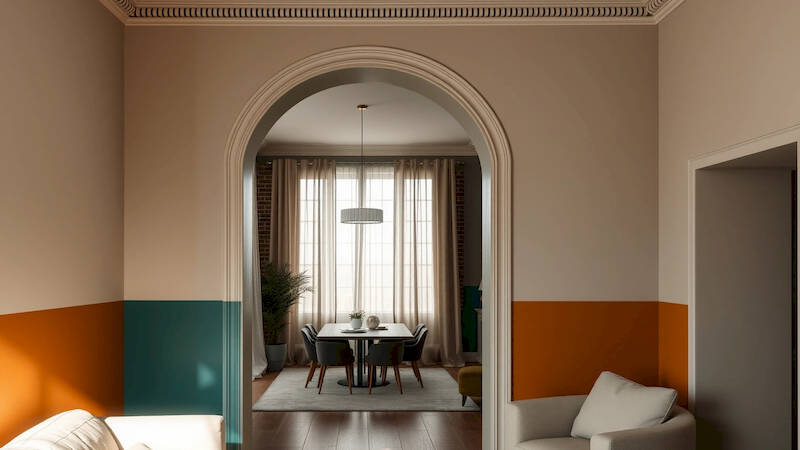
The living room, often considered the heart of the home, is a space for relaxation, entertainment, and expressing personal style. While color choice is paramount in establishing the mood, the way that color is applied can elevate the space from simply decorated to truly luxurious. Increasingly, homeowners are turning to metallic paints – golds, silvers, bronzes, coppers, and even pearlescent shades – to inject a sense of glamour, depth, and sophisticated warmth into their living rooms. This isn't just about applying a shiny coat; it’s about understanding light reflection, undertones, and application techniques to create a stunning focal point or a subtle, all-over shimmer.
Metallic paints have moved beyond being a seasonal trend, largely due to advancements in paint technology. Early metallic paints often lacked depth and could appear gaudy. Modern formulations, however, incorporate finely ground pigments, mica, and metallic particles that provide a far more refined and nuanced finish. This article will delve into the world of metallic paints, providing a comprehensive guide to choosing the right metal, preparing your surfaces, application techniques, and design ideas to help you transform your living room into a haven of luxury.
- Understanding the Spectrum of Metallic Paints
- Surface Preparation: The Foundation of a Flawless Finish
- Application Techniques for Stunning Results
- Design Ideas: Where to Incorporate Metallic Accents
- Choosing the Right Lighting to Enhance the Sheen
- Overcoming Common Challenges & Troubleshooting
- Conclusion: A Touch of Luxurious Transformation
Understanding the Spectrum of Metallic Paints
The first step in incorporating metallic paint is understanding the variety available. It’s crucial to move beyond simply "gold" or "silver" and examine the hues and undertones within each metal family. Gold, for instance, ranges from warm, yellow-toned golds suitable for classically styled rooms, to rose golds which introduce a contemporary blush, and even antique golds featuring hints of green for a more vintage aesthetic. Similarly, silver isn't a single shade; from cool, almost chrome silvers to warmer, softer pewter tones, the choices are wide-ranging. Beyond these, copper lends a warm, earthy feel, while bronze provides a richer, more grounding effect. Pearlescent paints, though technically not metallic, mimic the sheen through iridescent pigments, creating a softer, moodier effect.
Many manufacturers offer metallic paint in various finishes—matte, satin, and gloss. Matte metallic paints offer a subtle shimmer, ideal for large surfaces where a showy effect isn't desired. Satin finishes provide a balanced sheen, reflecting light without being overly dramatic. Gloss metallic paints are the most reflective and best suited for accent walls, furniture, or smaller decorative elements. Considering the existing color palette and overall style of your living room is essential when choosing a metallic shade and finish. A darker, more masculine room might benefit from bronze or antique gold, while a light and airy space could be beautifully enhanced by rose gold or a subtle silver.
Finally, look for paints specifically formulated for interior use, and consider whether you need a water-based (acrylic) or oil-based formula. Acrylics are lower in VOCs, easier to clean up, and dry faster, making them a popular choice for DIY projects. Oil-based paints, while offering greater durability and a richer finish, require more care during application and cleanup and have stronger odors.
Surface Preparation: The Foundation of a Flawless Finish
The quality of your metallic paint application hinges on meticulous surface preparation. Unlike standard paints, metallic paints are often thinner and less forgiving, meaning any imperfections on the wall will be amplified by the reflective finish. Start with a thorough cleaning of the wall using a mild detergent and water to remove dust, dirt, and grease. Allow the wall to dry completely. Next, examine the surface for any existing damage—holes, cracks, or uneven areas. These need to be addressed prior to painting.
Repair any holes or cracks with spackle or drywall compound, allowing it to dry completely before sanding it smooth. Use a fine-grit sandpaper (around 220 grit) to avoid creating new scratches. Priming is crucial when working with metallic paints. Choose a primer specifically designed for the type of paint you’re using (acrylic or oil-based) and apply one or two coats, allowing each coat to dry completely. A tinted primer, matching the metallic paint color as closely as possible, will help achieve richer color saturation and minimize the number of topcoats needed. "Metallic paints really show every imperfection," explains interior designer Sarah Richardson. “Investing time in prep work is the single best thing you can do to ensure a professional-looking result.”
Application Techniques for Stunning Results
Applying metallic paint requires a slightly different approach than traditional painting. Standard rollers and brushes can create visible texture, detracting from the smooth, reflective finish. Opt for high-quality brushes with synthetic bristles (for acrylic paints) or natural bristles (for oil-based paints). Foam rollers can also work well, especially for larger surfaces, but choose a high-density foam roller with a short nap to avoid stippling.
Apply the paint in thin, even coats. Avoid applying too much paint at once, as this can lead to drips and uneven coverage. Work in one direction, overlapping each stroke slightly. For a smoother finish, consider "laying off" the paint – lightly dragging a clean, dry brush or roller over the wet paint in a single, smooth direction to eliminate brushstrokes. Multiple thin coats are far superior to a single thick coat. Allow each coat to dry fully before applying the next. For accent walls or specific design effects (discussed later), experiment with techniques like color washing or dry brushing to create unique textures and depth.
Design Ideas: Where to Incorporate Metallic Accents
The versatility of metallic paints allows for a wide range of design applications in the living room. An accent wall painted in a rich gold or bronze can immediately become a dramatic focal point, especially behind a fireplace or media center. Consider contrasting the metallic wall with neutral furniture and accessories to allow the shimmer to truly shine. Alternatively, metallic paint can be used to highlight architectural features such as crown molding, trim, or door frames, adding a touch of elegance and sophistication.
Don't limit metallic paint to walls! Use it to transform existing furniture. A tired coffee table can be given a new lease on life with a coat of metallic paint, coordinating with the room's color scheme. Metallic paint also works beautifully on picture frames, mirrors, and decorative accessories, creating a cohesive and luxurious look. A popular trend is to create a metallic stripe or geometric pattern on one wall, achieved through careful taping and masking techniques. Consider a graduated metallic effect, transitioning from a darker shade at the base of the wall to a lighter shade at the top, to create a sense of depth and dimension.
Choosing the Right Lighting to Enhance the Sheen
Metallic paints are all about reflecting light, so lighting plays a crucial role in maximizing their impact. Natural light will accentuate the shimmer and warmth of metallic finishes, while artificial light can create a more dramatic or moody atmosphere. Consider incorporating a variety of light sources—ambient, task, and accent lighting—to highlight the metallic surfaces and create depth.
Position lamps and spotlights strategically to catch the sheen of the paint. Dimmer switches are a valuable addition, allowing you to adjust the intensity of the light and create different moods. Warm-toned light bulbs will complement warm metallic shades like gold and copper, while cool-toned bulbs will enhance silver and pewter tones. Pay attention to the direction of the light—angled lighting will create more dramatic highlights and shadows, while diffused lighting will provide a softer, more even glow.
Overcoming Common Challenges & Troubleshooting
Even with careful preparation, challenges can arise when working with metallic paint. One common issue is uneven coverage, often caused by insufficient priming or applying the paint too thinly. Multiple thin coats, as mentioned previously, are key to achieving uniform coverage. Another issue is streaking, particularly noticeable with metallic brushes. This can be addressed by lightly misting the surface with water and then “laying off” the paint with a clean, dry brush.
If you encounter drips or runs, address them immediately with a clean brush or rag. For oil-based paints, use mineral spirits to gently blend the drips into the surrounding area. Metallic paints can also be more prone to scratching or scuffing than standard paints. Consider applying a clear protective coating, specifically designed for metallic finishes, to protect the surface and enhance durability. Finally, always test the paint in an inconspicuous area before applying it to the entire surface to ensure the color and finish are as expected.
Conclusion: A Touch of Luxurious Transformation
Incorporating metallic paints into your living room is a powerful way to elevate the space, adding a touch of luxury, sophistication, and visual interest. From choosing the right metal and finish to mastering application techniques and considering lighting, the possibilities are vast. Remember that meticulous surface preparation is non-negotiable for a flawless result. Don't be afraid to experiment with different design ideas—an accent wall, highlighted architectural details, or transformed furniture—to create a living room that truly reflects your personal style.
The key takeaways are to prioritize preparation, embrace thin coats, and understand how light interacts with metallic finishes. By carefully considering these factors and investing time in the process, you can transform your living room into a stunning and inviting space that exudes warmth, elegance, and lasting beauty. So, gather your supplies, unleash your creativity, and prepare to add a shimmering touch of luxury to the heart of your home!
Deja una respuesta