
Installing a Frameless Glass Shower Door: A Complete Guide
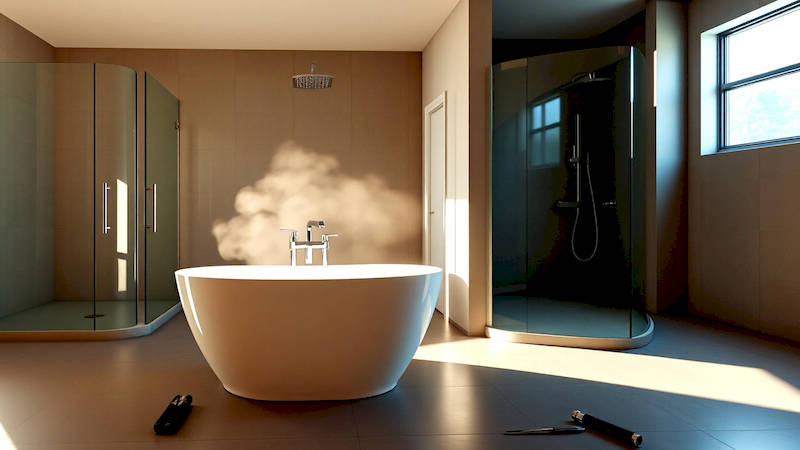
The bathroom is often considered the sanctuary of the home, and a significant portion of a bathroom's aesthetic and functionality hinges on the shower enclosure. For years, sliding doors and traditional framed enclosures dominated the market, but frameless glass shower doors have surged in popularity, offering a sleek, modern look that brightens the space and creates an open, luxurious feel. While seemingly simple, installing a frameless glass shower door is a project that requires precision, patience, and a good understanding of the process. Many homeowners underestimate the complexity, potentially leading to leaks, misalignment, or even structural instability. This comprehensive guide will walk you through every step of the installation process, covering essential preparation, detailed instructions, and troubleshooting tips, ensuring a professional-quality result.
Frameless shower doors, distinguished by their lack of surrounding metal framing, drastically change a bathroom’s ambiance. They make a bathroom feel larger and more open, showcasing tile work and creating a spa-like atmosphere. According to a 2023 report by the National Kitchen & Bath Association (NKBA), 68% of bathroom remodels included a shower upgrade, with frameless glass doors being the most frequently requested feature within that category. This trend isn't just about aesthetics; frameless doors are easier to clean, as there are fewer areas for grime to accumulate, and they offer a more durable and long-lasting solution than many framed alternatives. This guide will empower you to tackle this renovation with confidence, saving you potentially hundreds of dollars in professional installation costs.
Preparing the Shower and Assessing the Space
Before you even think about ordering a door, meticulous preparation is crucial. This starts with verifying that your shower base is perfectly level. Any deviation, even a slight one, will translate into serious installation problems and potential leaks. Use a long level (48 inches or longer is ideal) to check for level in multiple directions across the shower base. If the base isn’t level, you’ll need to shim it before proceeding – this might require professional assistance, particularly if the base isn't adequately supported. It's better to address this foundational issue before investing in the glass door itself.
Next, carefully measure the shower opening. Measure the width at the top, middle, and bottom, noting any discrepancies. Also, measure the height from the shower base to the ceiling or the planned height for the glass door. Do not rely on existing measurements from previous doors, as these can be inaccurate. Frameless doors are often custom-made to precise specifications, so accuracy is paramount. It is highly recommended to consult the manufacturer's specifications for minimum and maximum opening sizes to ensure compatibility. Remember that a slight gap is usually built into the design for ease of installation and to accommodate minor irregularities in the walls.
Finally, inspect the walls surrounding the shower. They need to be plumb and structurally sound to support the weight of the glass. If your walls are tiled, ensure the tiles are securely adhered and generally even. Loose or damaged tiles should be repaired or replaced prior to commencing installation; otherwise, the door's stability could be compromised. “A common mistake is assuming the walls are perfectly square and plumb,” says John Miller, a veteran shower door installer with over 20 years of experience. “Even a minor variation can create significant headaches down the line.”
Selecting the Right Frameless Shower Door
Choosing the right door isn’t simply about aesthetics. Several factors come into play, including glass thickness, hinge type, and the overall configuration. Most frameless doors utilize tempered glass, usually between 3/8 inch and 1/2 inch thick, for safety reasons. Tempered glass is far stronger than standard glass and breaks into small, relatively harmless pieces if shattered – a critical safety feature within a potentially hazardous environment. Beyond thickness, consider the glass treatment options. Options include clear glass, frosted glass for increased privacy, or textured glass for a decorative effect.
Hinge selection is equally important. Headers, which are the structural support beams extending from one wall to another, are a vital component of the installation. Common configurations include U-shaped headers and L-shaped headers, which necessitate different types of hinges. Pivot hinges are frequently used for configurations where the door swings outwards, while wall-mounted hinges are used for doors that swing inwards. The weight capacity of the hinges must be appropriate for the size and thickness of the glass panel, and you should ensure the hinges are constructed from high-quality stainless steel to prevent corrosion.
Furthermore, determine if you need a single door, a bi-pass door (often used for larger openings), or a neo-angle door (for corner showers). Each configuration requires a different installation approach and specialized hardware. Your choice should align not only with your aesthetic preferences but also with the dimensions and layout of your shower area.
Installing the Support Structure (Headers and Braces)
The support structure – the headers and braces – is the backbone of your frameless shower door installation. This step is absolutely critical for ensuring the long-term stability and safety of the enclosure. Begin by marking the exact locations for the headers and braces on the walls, using the measurements taken during the preparation stage. Precision is key here. Use a level to ensure that the header lines are perfectly horizontal.
Next, carefully drill pilot holes into the walls at the marked locations. The type of drill bit you use will depend on the wall material – for tile, use a diamond-tipped drill bit to avoid cracking. Once the pilot holes are drilled, install the mounting brackets for the headers and braces. It's essential to use appropriate wall anchors, especially if you're drilling into drywall without studs. Toggle bolts are often the best choice for providing a secure hold in hollow walls. After the brackets are securely attached, mount the headers and braces, ensuring they are perfectly aligned with the level and securely fastened.
Crucially, double-check the headers for plumb and level after installation. If they are not perfectly aligned, the glass door will not hang properly, potentially leading to leaks or breakage. “Many DIY installers underestimate the importance of a perfectly installed support system,” Miller notes. “It's the foundation upon which everything else rests. Skimping here will almost always lead to problems.”
Hanging the Glass Door and Making Adjustments
With the support structure in place, you're ready to hang the glass door. This is best done with the assistance of a second person, as glass panels can be heavy and awkward to handle. Carefully lift the glass panel and align the hinges with the corresponding mounting points on the headers and walls. Secure the hinges, but don’t fully tighten them yet. This allows for minor adjustments to ensure proper alignment and swing.
Once the door is hung, thoroughly check its alignment. The door should swing smoothly and close completely, without binding or hitting any part of the enclosure. Use shims to fine-tune the alignment of the hinges if necessary. Tighten all the hinge screws gradually, bit by bit, to avoid overstressing the glass or mounting brackets. Take your time and make small adjustments, constantly checking the door’s functionality.
Pay close attention to the gap between the door and the shower wall. There should be a consistent, small gap all around the door – typically around 1/8 inch. If the gap is uneven, it indicates an alignment issue that needs to be addressed. Finally, check for any areas of stress on the glass. If you notice any, loosen the hinges and re-align the door.
Waterproofing and Finishing Touches
Once the door is perfectly aligned, the final stage involves waterproofing and adding the finishing touches. Apply a high-quality silicone sealant around the perimeter of the glass door where it meets the shower walls. This is crucial for preventing water from escaping the enclosure. Be sure to use a mildew-resistant silicone sealant specifically designed for bathroom applications. Apply a neat, even bead of sealant and smooth it out with a wet finger or a sealant smoothing tool.
After the sealant has cured, inspect the entire enclosure for any gaps or potential leak points. Add additional sealant if necessary. Clean the glass door thoroughly to remove any fingerprints, smudges, or sealant residue. Some manufacturers recommend applying a glass protectant coating to help repel water and make cleaning easier. Finally, install any door handles, pull knobs, or other accessories.
Conclusion: Enjoying Your New Frameless Shower Door
Installing a frameless glass shower door is a rewarding, albeit challenging, project. It requires careful planning, precise execution, and a commitment to quality. By following the steps outlined in this guide, you can achieve a professional-looking result that will dramatically enhance the aesthetics and functionality of your bathroom. Remember the importance of a level base, accurate measurements, a secure support structure, and meticulous attention to detail. Don't hesitate to seek professional assistance if you encounter any difficulties or feel uncomfortable with any aspect of the installation process – especially when it comes to ensuring the structural integrity and safety of the enclosure.
The key takeaways are: prioritize preparation, invest in quality materials, and take your time. With patience and precision, you can enjoy the luxurious comfort and modern elegance of a frameless glass shower door for years to come. As a final step, regularly inspect the sealant around the door for any signs of cracking or deterioration and reapply as needed to maintain a watertight seal. A well-installed and maintained frameless shower door is not just a beautiful addition to your bathroom; it’s an investment in the long-term value and enjoyment of your home.
Deja una respuesta