
How to Install Smart Lighting Systems for Energy Efficiency
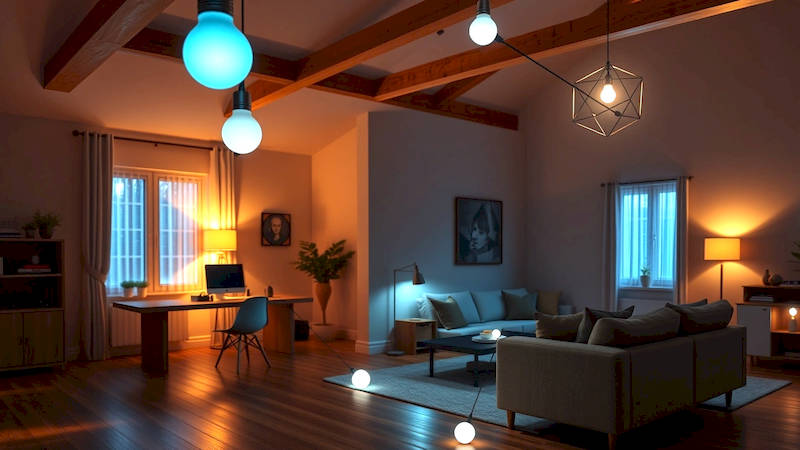
The appeal of a smart home extends beyond convenience; it’s increasingly about conscientious living and reducing our environmental footprint. At the heart of this transformation lies smart lighting. No longer simply about turning lights on and off with your voice, smart lighting systems offer a sophisticated pathway to significant energy savings, enhanced security, and a personalized living experience. For decades, energy consumption in residential buildings has been a major focus for sustainability efforts, and lighting consistently represents a substantial portion of that usage. Modern smart lighting addresses this head-on, promising efficiency gains without sacrificing ambiance or usability.
As energy prices continue to fluctuate and environmental concerns intensify, homeowners are actively seeking ways to minimize their impact. Smart lighting isn't a futuristic indulgence anymore; it’s a pragmatic investment that pays dividends both financially and environmentally. This article guides you through the process of installing and optimizing smart lighting systems for maximum energy efficiency, covering everything from selecting the right technology to getting the most out of your investment. We will explore the components, the installation process, and even how to troubleshoot common issues, all with a focus on maximizing those energy-saving benefits.
- Understanding the Different Smart Lighting Technologies
- Planning Your Smart Lighting Installation
- Installation: A Step-by-Step Guide
- Leveraging Smart Features for Maximum Energy Efficiency
- Troubleshooting Common Issues and Optimizing Performance
- Beyond the Basics: Advanced Energy Saving Strategies
- Conclusion: A Brighter Future for Home Energy Efficiency
Understanding the Different Smart Lighting Technologies
The smart lighting landscape is diverse, encompassing various technologies and protocols, each with its own strengths and weaknesses. The foundational choice lies between smart bulbs, smart switches, and complete smart lighting systems. Smart bulbs, like those from Philips Hue or LIFX, are the simplest to install – you simply screw them into existing fixtures. They communicate wirelessly (Zigbee, Z-Wave, or Wi-Fi) and allow for individual bulb control: dimming, color changing, and scheduling. However, they can be more expensive per lighting point than other options.
Smart switches replace your existing wall switches and allow you to control traditional bulbs with smart functionality. They're generally more cost-effective for controlling multiple lights simultaneously within a room, such as a chandelier or recessed lighting. These switches often work with a neutral wire, and some newer models are designed to work without one, offering greater installation flexibility. Finally, complete smart lighting systems, like Lutron Caséta, integrate hardware and software for a more unified and refined experience, frequently including a dedicated hub for improved reliability and range. Selecting the right technology hinges on your budget, the number of lights you want to control, and the level of customization you desire.
A crucial aspect of choosing a system is understanding the wireless protocols. Wi-Fi is the most common and easiest to set up, using your home’s existing network, but can contribute to network congestion. Zigbee and Z-Wave are mesh networks, meaning devices relay signals to each other, extending the range and improving reliability – requiring a hub to function. “A common misconception is that all smart devices operate seamlessly together,” notes tech analyst Ben Thompson. “It’s crucial to check for compatibility with your existing smart home ecosystem, or you may find yourself creating separate, siloed smart functionalities.”
Planning Your Smart Lighting Installation
Effective planning is paramount to a successful and energy-efficient smart lighting installation. Begin by assessing your current lighting setup: identify the fixtures you want to automate, the types of bulbs they use (incandescent, halogen, LED), and the existing switch configurations. This assessment will reveal which smart lighting solution – bulbs, switches, or a combination – best suits your needs. Sketching a floor plan and marking the light locations can also be incredibly helpful.
Next, consider your energy-saving goals. Beyond scheduling lights to automatically turn off when a room is unoccupied, think about incorporating daylight harvesting. This involves using sensors that detect natural light levels and automatically dim or turn off artificial lights. This can dramatically reduce energy consumption, particularly in rooms with ample windows. “Daylight harvesting is often overlooked,” says Dr. Emily Carter, a professor of sustainable design, “but it can contribute up to 30% energy savings in certain spaces.” Determine which rooms would benefit most from this feature and select sensors accordingly. Furthermore, consider the aesthetic impact. Do you want colored ambient lighting, or are you solely focused on functional illumination?
Finally, create a budget that accounts for all components: smart bulbs/switches, a hub (if required), sensors, and any necessary wiring or tools. Don't forget to factor in the cost of professional installation if you’re not comfortable tackling the electrical work yourself.
Installation: A Step-by-Step Guide
While some smart lighting solutions are designed for DIY installation, prioritizing safety is always crucial when working with electricity. If you are unsure about any step, always consult a qualified electrician. For smart bulb installations, the process is straightforward: simply replace your existing bulbs with the smart bulbs and follow the manufacturer's instructions to connect them to your home network and smart home hub (if applicable).
Installing smart switches, however, requires more careful attention. Always turn off the power at the breaker box before working with any electrical wiring. Remove the existing switch, carefully disconnect the wires (taking a photo beforehand can be helpful), and connect the smart switch according to the manufacturer's wiring diagram. Ensure all connections are secure and correctly insulated. Then, mount the switch and restore power. Test the switch thoroughly to ensure it functions correctly. Many smart switches have a "learn" mode for pairing with the hub.
When installing sensors, choose a location that provides the best coverage and avoids obstructions. Motion sensors should be positioned to detect movement in frequently used areas, while light sensors should have an unobstructed view of daylight. Properly configuring the sensors within your smart home app is crucial for optimal performance.
Leveraging Smart Features for Maximum Energy Efficiency
The true power of smart lighting lies in its advanced features, designed to automate and optimize energy consumption. Scheduling is a cornerstone of this efficiency – set lights to turn on and off at specific times, mimicking occupancy even when you're away, enhancing security and saving energy. Geofencing uses your smartphone's location to automatically control lights based on your proximity to your home. This ensures lights are off when you’re away and on as you approach.
Remote control empowers you to manage lighting from anywhere with an internet connection. Forgot to turn off a light before leaving for vacation? No problem – simply turn it off from your smartphone. Furthermore, the ability to dim lights significantly reduces energy usage. Modern smart bulbs allow for granular dimming control, enabling you to create the perfect ambiance while minimizing energy waste. Moreover, integrating your smart lighting with other smart home devices, such as thermostats and security systems, can create a truly intelligent and energy-efficient home. For instance, automatically lowering blinds and dimming lights when the sun is at its peak can help reduce reliance on air conditioning.
Troubleshooting Common Issues and Optimizing Performance
Even with careful planning and installation, you may encounter occasional issues with your smart lighting system. Common problems include connectivity issues, unresponsive devices, and compatibility conflicts. If a smart bulb or switch is unresponsive, first, check the power supply and ensure it’s properly connected. Then, restart the device and your smart home hub. If the problem persists, try resetting the device to its factory settings.
Connectivity issues can often be resolved by moving the hub closer to the affected devices or upgrading your home’s Wi-Fi router. Compatibility conflicts can arise when using devices from different manufacturers. Carefully review the compatibility information before purchasing new devices. Regularly updating the firmware of your smart bulbs, switches, and hub is crucial for maintaining optimal performance and security. Also, monitor your energy usage through the smart home app to identify areas where you can further optimize your settings.
Beyond the Basics: Advanced Energy Saving Strategies
Once you have a fully functional smart lighting system, exploring advanced strategies can further enhance energy savings. Consider implementing scenes – pre-set lighting configurations that can be activated with a single command – tailored to different activities, such as "Movie Night" or "Reading." This ensures you're only using the amount of light necessary for the task at hand.
Another powerful technique is using IFTTT (If This Then That) or similar automation platforms to create custom rules. For example, you could set a rule to automatically turn off all lights when your security system is armed, or to adjust the lighting based on the weather forecast. “The real potential of smart home technology lies in its ability to adapt and learn,” explains technology blogger Sarah Jones. “By continuously monitoring your usage patterns and adjusting settings accordingly, you can achieve truly significant energy savings.”
Conclusion: A Brighter Future for Home Energy Efficiency
Installing a smart lighting system is more than just a tech upgrade; it's a proactive step towards a more sustainable and energy-efficient lifestyle. By understanding the different technologies, planning your installation carefully, and leveraging the advanced features available, you can significantly reduce your energy consumption, lower your electricity bills, and minimize your environmental impact. Remember to prioritize safety during installation and regularly monitor and optimize your system's performance for maximum benefit. Key takeaways include the importance of choosing the right technology based on your needs, embracing scheduling and automation features, and staying updated with firmware and compatibility information.
The initial investment in a smart lighting system is often offset by long-term energy savings. Furthermore, the added convenience, security, and personalization options make it a worthwhile upgrade for any modern home. Start small, learn the capabilities of your chosen system, and gradually expand your smart lighting setup to create a truly intelligent and energy-conscious living space. The future of home lighting is bright, and it’s powered by efficiency.
Deja una respuesta