
Choosing Durable Outdoor Furniture for Coastal Environments
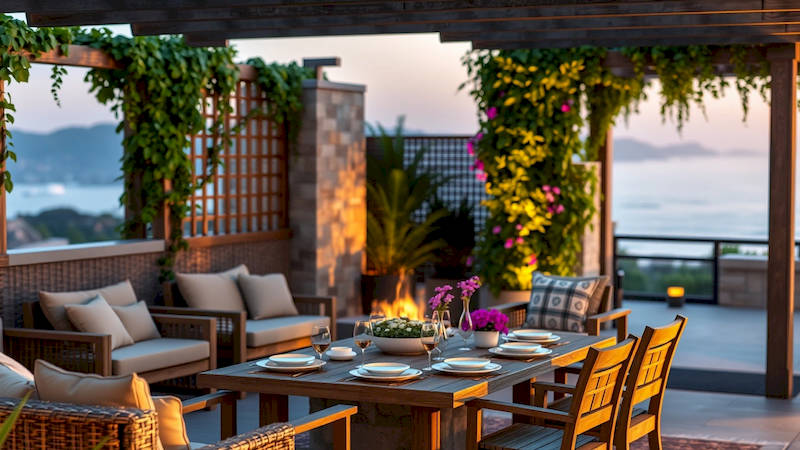
The allure of coastal living – the gentle sea breeze, the rhythmic sound of waves, and the stunning sunsets – is undeniable. However, this idyllic setting presents a unique challenge when it comes to furnishing your outdoor spaces. The combination of salt air, intense sunlight, and potential for severe weather demands careful consideration when selecting outdoor furniture. Investing in pieces that aren’t designed to withstand these harsh conditions can quickly lead to rust, fading, rot, and costly replacements. Choosing the right materials and construction is not merely about aesthetics; it’s about ensuring longevity and maximizing your enjoyment of your outdoor oasis.
Coastal climates are notoriously corrosive. Salt spray, carried by the wind, settles on surfaces, accelerating rust on metals and degrading many wood types. Intense UV rays cause colors to fade and materials to become brittle. Moreover, coastal regions are often susceptible to hurricanes, tropical storms, and even strong winds that can toss lightweight furniture around, causing damage to the furniture itself and potentially posing a safety hazard. Failing to account for these factors is a common – and expensive – mistake many homeowners make when initially setting up their coastal outdoor spaces.
Therefore, understanding the specific challenges of a coastal environment – and the furniture materials best equipped to conquer them – is paramount. This article will delve into the best materials for coastal outdoor furniture, providing a comprehensive guide to help you create a stylish and durable outdoor living space that will withstand the test of time and the elements. We’ll explore material properties, construction techniques, maintenance tips, and considerations for different budget levels.
- Understanding the Coastal Climate’s Impact on Furniture
- The Best Materials for Coastal Furniture Durability
- Diving Deeper into Teak: Properties and Maintenance
- Metal Choices: Aluminum vs. Stainless Steel
- Fabric Considerations: Resisting Mold, Mildew and Fading
- Construction Techniques & Securing Your Furniture
- Conclusion: Building a Coastal Oasis That Lasts
Understanding the Coastal Climate’s Impact on Furniture
The coastal environment isn’t just about salt air; it’s a complex interplay of several damaging factors. Saltwater corrosion is, of course, the most well-known. The chloride ions in salt penetrate the surface of many materials, triggering electrochemical reactions that break down the material’s structure. This is particularly problematic for ferrous metals like iron and steel, which readily rust. However, even aluminum, while naturally corrosion-resistant, can experience pitting corrosion over time if not properly treated. Beyond the salt, the relentless sun exposure breaks down polymers and fades colors. UV radiation degrades plastic, weakens wood fibers, and can even cause some fabrics to become brittle and disintegrate.
Beyond those factors, humidity plays a significant role, accelerating the growth of mold and mildew, especially on natural materials like wood and wicker. A study by the National Hurricane Center shows that coastal areas experience significantly higher wind speeds during storms – these forces can easily damage or destroy furniture not securely anchored or built to withstand high winds. Finally, temperature fluctuations – the warmth of summer days contrasted with cool evenings – cause materials to expand and contract, which can lead to cracking and weakening over time. Recognizing this multi-faceted impact is the first step toward making informed furniture choices.
Consider the example of Hampton Beach, New Hampshire, where the high salt content in the air combined with harsh winter storms necessitate extremely robust furniture construction. Residents often opt for powder-coated aluminum or marine-grade polymer furniture, whereas a similar budget in a less harsh coastal climate might offer more material options. The key is tailoring your choice to the specific conditions of your location.
The Best Materials for Coastal Furniture Durability
When faced with the challenges highlighted above, certain materials consistently outperform others in coastal settings. Aluminum, particularly when powder-coated, stands out as an excellent choice. Powder coating provides a protective layer that significantly enhances corrosion resistance, and aluminum itself is lightweight, making furniture easier to move and rearrange. Marine-grade stainless steel is another superb option. While more expensive, it’s virtually impervious to rust and can withstand decades of exposure to salt air. For wooden furniture, teak is the gold standard. Its natural oils make it highly resistant to moisture, rot, and insect damage.
Furthermore, advancements in polymer technology have led to the development of high-density polyethylene (HDPE) lumber. This material is remarkably durable, weather-resistant, and requires minimal maintenance. Unlike traditional wood, it doesn't splinter, crack, or rot. It also resists fading from UV exposure better than most plastics. While resale value might not match teak, HDPE provides an outstanding long-term value proposition, particularly in aggressive coastal climates. Remember that not all plastics are created equal; avoid furniture made from cheaper, less durable polymers as they’ll quickly degrade.
Diving Deeper into Teak: Properties and Maintenance
Teak wood's reputation for durability isn't simply marketing hype. This dense, golden-brown hardwood contains natural oils that act as a preservative, protecting it from water damage, rot, and insect infestation. Teak has been used for centuries in shipbuilding and marine applications, demonstrating its inherent ability to withstand harsh environments. However, even teak requires some maintenance, although significantly less than other woods. Left untreated, teak will naturally weather to a silver-gray patina. This color change doesn't compromise the wood’s integrity but may not appeal to everyone aesthetically.
To maintain teak’s golden-brown color, regular oiling is recommended. Using a high-quality teak oil will replenish the natural oils lost over time. Alternatively, you can seal the teak with a marine-grade varnish, which provides a more robust protective layer. It's important to properly prepare the surface before oiling or varnishing, sanding to remove any existing finish or debris. A key point to note is that teak is a sustainable wood source if sourced from responsibly managed plantations, ensuring minimal environmental impact and promoting long-term forest health. Seeking FSC-certified teak products is a good practice.
Metal Choices: Aluminum vs. Stainless Steel
Both aluminum and stainless steel offer compelling advantages for coastal furniture, but each has its strengths and weaknesses. As previously mentioned, aluminum is lightweight, corrosion-resistant (especially when powder-coated), and generally more affordable than stainless steel. Powder coating isn’t perfect, however. It can chip or scratch over time, exposing the underlying metal to the elements. Regular inspection and touch-ups can help mitigate this issue. Aluminum's lower weight makes it more susceptible to being moved by strong winds, so consider heavier designs or securing furniture during storms.
Stainless steel, specifically marine-grade 316 stainless steel, offers superior corrosion resistance and strength. It’s less prone to damage from impacts and can withstand high winds without shifting. However, it’s significantly heavier and more expensive than aluminum. While stainless steel doesn’t rust in the traditional sense, it can experience localized pitting corrosion in extremely harsh environments if not properly maintained. Regular cleaning with a stainless steel cleaner and polisher can help prevent this. The higher upfront cost of stainless steel can be offset by its exceptional longevity and reduced maintenance requirements over the long term.
Fabric Considerations: Resisting Mold, Mildew and Fading
The fabric you choose for cushions and upholstery is just as crucial as the frame material. Solution-dyed acrylic fabrics, such as Sunbrella, are the industry standard for outdoor use. These fabrics are incredibly fade-resistant, water-repellent, and mildew-resistant. The color is integrated into the fiber itself, meaning it won’t wash out over time, even with prolonged sun exposure. Avoid fabrics made from natural fibers like cotton, as they absorb moisture and are prone to mold and mildew growth.
When selecting fabric colors, lighter shades generally reflect more sunlight, reducing heat buildup and minimizing fading. Darker colors absorb more heat, which can make furniture uncomfortable to sit on, and are more susceptible to fading over time. Furthermore, consider the fabric’s breathability. A breathable fabric allows air to circulate, preventing moisture buildup and further reducing the risk of mold and mildew. Look for fabrics with a high breathability rating. Regular cleaning is also essential; removing dirt and debris will help prevent the growth of mold and mildew.
Construction Techniques & Securing Your Furniture
Beyond material selection, the way the furniture is constructed plays a significant role in its durability. Look for furniture with robust joints and solid construction techniques. Welded joints are far more durable than bolted or screwed joints, reducing the risk of loosening and failure over time. For wooden furniture, dovetail joints and mortise-and-tenon joints are indicative of high-quality craftsmanship.
Equally important is securing your furniture during severe weather. Invest in furniture covers to protect it from salt spray, UV radiation, and debris during storms. Consider anchoring lightweight furniture to a deck or patio to prevent it from blowing away. Using furniture straps or weights can provide added security. Some homeowners even opt to disassemble their outdoor furniture and store it indoors during the off-season or during particularly severe weather events.
Conclusion: Building a Coastal Oasis That Lasts
Choosing durable outdoor furniture for coastal environments isn’t just a matter of aesthetics – it’s an investment in long-term enjoyment and value. By understanding the specific challenges posed by the coastal climate, and prioritizing materials like powder-coated aluminum, marine-grade stainless steel, teak, and solution-dyed acrylic fabrics, you can create an outdoor living space that will withstand the test of time.
Key takeaways include prioritizing robust construction techniques, incorporating regular maintenance into your routine, and securing your furniture during severe weather. Don't underestimate the value of proactive measures like furniture covers and anchoring systems. Remember to consider your specific location’s climate, and budget accordingly, recognizing that higher upfront costs for durable materials can often translate to lower long-term expenses. Ultimately, careful planning and informed choices will allow you to fully savor the beauty and tranquility of coastal living without the constant worry of furniture damage and replacement.
Deja una respuesta