
Installing an Efficient Outdoor Heating System for Cooler Seasons
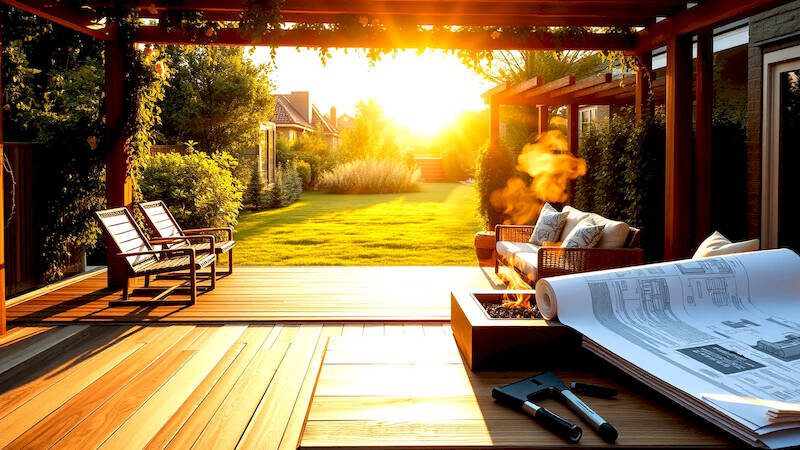
The allure of outdoor living doesn’t have to end with the drop in temperature. In fact, extending the usability of patios, decks, and gardens into the cooler months significantly increases the return on investment for these valuable outdoor spaces. For many homeowners, the key to unlocking year-round enjoyment lies in strategically implementing an efficient outdoor heating system. Traditionally, this might have meant cumbersome propane heaters, but the landscape of outdoor heating has dramatically evolved. Today, a wide range of options offer varying levels of heating capacity, efficiency, aesthetic appeal, and cost, demanding careful consideration for optimal performance and enjoyment.
The desire for comfortable outdoor spaces even when it’s cool is driven by more than just leisure. Outdoor living areas have become extensions of our homes, used for dining, entertaining, and even remote work. According to the American Institute of Architects (AIA), homes with strong indoor-outdoor connections are increasingly in demand, and functional outdoor spaces, heated appropriately, contribute significantly to this trend. This heightened demand translates to a necessity for homeowners to understand the available options and make informed decisions tailored to their specific needs and budget. Choosing the wrong system can lead to high energy bills, uneven heating, or even safety concerns.
This article will provide a comprehensive guide to installing an efficient outdoor heating system, covering the different types available, installation considerations, energy efficiency tips, and safety precautions. We will delve into the specifics of each option, providing actionable advice to help you create a comfortable and inviting outdoor space, regardless of the season. We’ll focus on making informed choices that blend comfort, cost-effectiveness, and long-term sustainability.
Understanding the Different Types of Outdoor Heating Systems
The first step in creating a comfortable outdoor space is understanding the available heating options. Each system has unique characteristics that make it suitable for different applications and budgets. Primarily, outdoor heating systems fall into four broad categories: propane patio heaters, natural gas heaters, electric heaters (infrared and radiant), and fire pits/fireplaces. Propane heaters are the most common and readily available, known for their instant heat output and portability, although they rely on propane tank refills and can be less energy-efficient than other options. Natural gas heaters generally offer a more consistent and potentially cost-effective solution, but require a pre-existing natural gas line connection.
Electric heaters, particularly infrared and radiant models, have seen a surge in popularity due to their energy efficiency and ease of use. Infrared heaters warm objects and people directly, bypassing the need to heat the surrounding air, making them effective even in breezy conditions. Gas-powered fire pits and fireplaces provide both heat and ambiance, but their heating efficiency can vary significantly depending on the design and fuel source (wood, propane, or natural gas). It’s crucial to consider the size of the area you need to heat, the frequency of use, and the availability of utility connections when choosing a system. A simple calculation based on square footage and desired temperature increase will help narrow down your options.
Before committing to a specific type, consider factors beyond initial cost. Ongoing fuel or electricity expenses, maintenance requirements, and potential safety hazards should all be factored into the decision-making process. For example, while a propane heater might have a lower upfront cost, the recurring expense of propane refills can quickly add up, potentially exceeding the long-term cost of an electric or natural gas system. A deeper understanding of each option’s advantages and disadvantages is paramount for long-term satisfaction.
Installation Considerations: Planning and Preparation
Proper installation is critical for both the safety and efficiency of any outdoor heating system. This often goes beyond simply plugging in an electrical heater or connecting a propane tank. For propane and natural gas heaters, meticulous attention to gas line connections and venting is paramount to prevent leaks and carbon monoxide poisoning. Local building codes and regulations often dictate specific requirements for outdoor heating appliances, including setback distances from structures, combustible materials, and property lines. Failing to comply with these codes can result in fines and, more importantly, create a hazardous situation.
Electrical connections for infrared or radiant heaters must be adequately sized to handle the heater’s power draw. Using an undersized circuit can lead to tripped breakers or even electrical fires. Consider a dedicated circuit for the heater to ensure reliable operation and minimize the risk of overloading the electrical system. Regardless of the type of heater chosen, a level and stable surface is essential. Uneven surfaces can cause heaters to tip over, creating a fire hazard or damaging the appliance. For fire pits and fireplaces, ensure the surrounding area has sufficient clearance from flammable materials, and consider a non-combustible base such as stone or brick.
Professional installation is highly recommended for gas-fired systems, as it ensures that all connections are properly sealed and tested for leaks. While some homeowners may be comfortable with basic electrical connections, consulting with a qualified electrician is always advisable for peace of mind and adherence to safety standards. It’s often worth the initial investment to ensure a safe and reliable heating solution.
Maximizing Energy Efficiency and Minimizing Costs
Once your system is installed, maximizing energy efficiency becomes a priority to minimize operating costs. For propane and natural gas heaters, regular maintenance is crucial. Cleaning burners and checking for leaks can significantly improve their performance. Consider using a smart thermostat or timer to control the heater’s operation and avoid unnecessary energy consumption. Infrared and radiant electric heaters are inherently more energy-efficient than traditional propane or gas heaters, but even with these systems, there are strategies to optimize performance.
Direct the heater's output towards the area where people will be seated, rather than heating the open air. Utilizing windbreaks, such as screens or plants, can also help to contain the heat and reduce energy loss. Explore options for zoning your outdoor space and using multiple smaller heaters instead of a single large one. This allows you to heat only the areas being used, further reducing energy waste. Furthermore, consider integrating reflective surfaces, like strategically placed mirrors or light-colored materials, to help distribute and retain heat within the space.
A layered approach to outdoor comfort can also reduce reliance on heating systems. Providing blankets, cushions, and wind shelters can enhance warmth and allow you to lower the heater's output or use it less frequently. Investing in energy-efficient outdoor lighting can also contribute to overall energy savings, as it reduces the need for extended heater operation during evening hours. Ultimately, a combination of efficient equipment and strategic usage habits is key to minimizing costs and maximizing comfort.
Safety Precautions: Preventing Hazards and Ensuring Responsible Use
Safety should be the paramount concern when using any outdoor heating system. Propane and natural gas heaters produce carbon monoxide, a colorless, odorless gas that can be fatal. Installing carbon monoxide detectors in and around your outdoor living space is absolutely essential. Regularly inspect gas lines and connections for leaks, and never use a propane or natural gas heater indoors or in poorly ventilated areas. Maintaining a minimum clearance between the heater and combustible materials is also crucial to prevent fires.
Electric heaters pose different safety risks. Ensure that all electrical connections are weatherproof and that the heater is used on a grounded circuit. Never use an electric heater near water or in damp conditions. For fire pits and fireplaces, always supervise the fire closely and have a fire extinguisher readily available. Keep flammable materials away from the fire and ensure that the area is well-ventilated. Educate all users about the safe operation of the heating system and the potential hazards involved.
Regular maintenance, including cleaning and inspection, can help to prevent accidents and ensure the safe operation of your outdoor heating system. If you smell gas, immediately turn off the gas supply, extinguish any open flames, and evacuate the area. Contact your local gas company or emergency services for assistance. A proactive approach to safety is the best way to protect yourself and your loved ones.
Maintaining Your Outdoor Heating System for Longevity
Proper maintenance extends the lifespan of your outdoor heating system and ensures its continued efficiency. For propane and natural gas heaters, annual inspections by a qualified technician are recommended. This includes cleaning burners, checking for leaks, and verifying the proper operation of safety devices like pilot lights and shut-off valves. Regularly clean the exterior of the heater to remove dust and debris, which can interfere with its performance. Infrared and radiant heaters require less frequent maintenance, but it’s still important to inspect the heating elements for damage and clean the reflector surface to maintain optimal heat output.
Fire pits and fireplaces require routine cleaning to remove ash and debris. Inspect the firebox for cracks or damage and repair them promptly. For wood-burning fireplaces, ensure the chimney is cleaned annually to prevent creosote buildup, which can lead to chimney fires. Store propane tanks in a well-ventilated area away from direct sunlight and heat sources. Properly cover and protect the heating system during periods of non-use to shield it from the elements. By investing a small amount of time and effort in regular maintenance, you can significantly extend the lifespan of your outdoor heating system and enjoy comfortable outdoor living for years to come.
In conclusion, installing an efficient outdoor heating system is a worthwhile investment for homeowners seeking to extend the enjoyment of their outdoor spaces. By carefully considering the different types of heaters available, prioritizing safety during installation and operation, and implementing energy-saving strategies, you can create a comfortable and inviting outdoor environment that welcomes year-round use. Prioritize safety checks, annual professional inspections for gas systems, and consistent cleaning to maximize the longevity of your investment. Don’t hesitate to consult with professionals, research local codes, and focus on creating a cozy and safe outdoor haven for yourself and your loved ones.
Deja una respuesta