
How to Wire and Install a Ceiling Fan with Light Combo
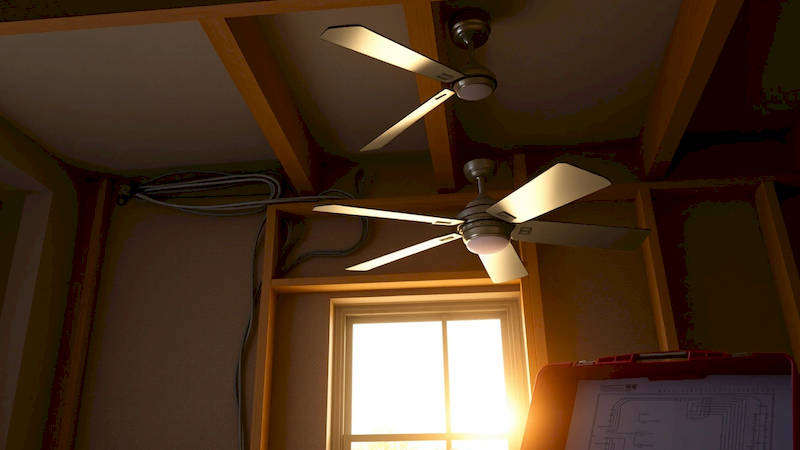
The gentle whoosh of a ceiling fan provides a welcome respite from summer heat, while the integrated light offers convenient illumination. Beyond comfort, installing a ceiling fan with a light can significantly reduce energy costs, potentially lowering air conditioning bills by up to 14% (according to the Department of Energy). However, tackling this seemingly straightforward home improvement project requires a solid understanding of electrical wiring and safety protocols. Many homeowners understandably feel hesitant, and rightfully so – improper installation can lead to electrical hazards, including shocks and fires. This guide provides a detailed, step-by-step walkthrough designed to empower you to safely and effectively install your new ceiling fan, whether you’re replacing an existing fixture or adding one to a new location.
Before diving in, recognize the importance of matching the right fan to your space. Considerations include blade span for room size, ceiling height (sloped ceilings require downrods), and aesthetic preferences. Furthermore, understanding local electrical codes is paramount; requirements can vary significantly by region. A misplaced wire, a loose connection, or a failure to properly ground the fixture could have dire consequences. This article will cover everything from safety precautions and tool selection to the actual wiring process and final testing, ensuring a successful and safe installation. Remember, if you are at all uncomfortable with any part of this process, consulting a qualified electrician is always the best course of action.
Understanding Electrical Safety and Pre-Installation Checks
The first, and most crucial, step involves prioritizing safety. Electricity is dangerous, and carelessness can be life-threatening. Always turn off the power to the circuit you will be working on at the main electrical panel. Double-check that the power is off by using a non-contact voltage tester on the wires after removing the existing fixture. A non-contact voltage tester is an invaluable tool, alerting you if any voltage is still present, even if the breaker is switched off. Do not rely solely on the breaker position; testing is essential. Consider wearing rubber-soled shoes and safety glasses throughout the installation process.
Beyond simply switching off the breaker, assess the existing electrical box. Ceiling fan installations require a box specifically rated to support the weight and movement of a fan—typically a fan-rated box secured directly to a ceiling joist. Standard light fixture boxes are often not strong enough and can lead to the fan falling. If your current box isn’t fan-rated, it must be replaced. This often involves accessing the attic to reinforce or replace the box properly. Ignoring this crucial detail is arguably the most common (and dangerous) mistake made by DIYers. Failure to adequately support the fan could lead to a catastrophic failure and significant property damage.
Finally, carefully read the entire instruction manual that came with your specific ceiling fan model. Manufacturers often include important model-specific instructions and warnings. Deviation from these instructions can void the warranty and, more importantly, compromise safety. Familiarize yourself with all the components, the wiring diagram, and the tools needed before you begin.
Gathering Tools and Materials
Having the right tools at hand will streamline the installation process and ensure a professional finish. Essential tools include a screwdriver set (including Phillips and flathead), wire strippers/cutters, pliers, a wire connector (wire nuts), electrical tape, a non-contact voltage tester (as mentioned earlier), a ladder, and a voltage/continuity tester. A multimeter can be helpful for verifying the integrity of the wiring. Beyond the tools, gather the necessary materials.
Beyond the fan itself, you'll need wire connectors (appropriate for the gauge of wire used in your home), electrical tape, mounting hardware (typically included with the fan, but check), and potentially additional wire if the existing wiring is insufficient. The gauge of wire required depends on the amperage of the circuit. 14-gauge wire is typically sufficient for a 15-amp circuit, while 12-gauge wire is required for a 20-amp circuit. Make sure any wire you purchase is rated for indoor use and is of suitable length. It’s always better to have a little extra wire than to come up short.
Consider a work light for optimal visibility, especially if you're working in an attic. Also, keep a small container or magnetic parts tray handy to prevent losing screws and small components. Organization is key to a smooth and efficient installation. A digital camera or smartphone can be beneficial to document the existing wiring configuration before disconnecting anything – a visual reference can be incredibly helpful during reassembly.
Removing the Old Fixture and Preparing the Wiring
Before installing the new fan, the existing fixture must be carefully removed. After verifying the power is off (again!), carefully lower the existing light fixture and disconnect the wires. Typically, you'll encounter three wires: hot (usually black), neutral (usually white), and ground (usually green or bare copper). Before disconnecting anything, photograph the wiring arrangement as a reference. Labeling the wires with tape and a marker is also a good practice.
Carefully disconnect each wire, using the screwdriver to loosen the wire nuts. Once disconnected, gently lower the fixture completely. Inspect the electrical box. As previously mentioned, confirm it is fan-rated. If it’s not, this is the time to replace it. If it’s fan-rated but appears loose or damaged, tighten or replace it as needed. Ensure the box is securely attached to a structural member of the ceiling.
After removing the old fixture, clean up any debris and inspect the wiring in the ceiling. Look for any signs of damage or frayed insulation. If you find damaged wiring, it's best to consult an electrician, as attempting to repair it yourself could be dangerous. Finally, double check your work and confirm the power remains off.
Wiring the Ceiling Fan
With the old fixture removed and the wiring prepared, it's time to connect the new ceiling fan. Refer to the fan’s instruction manual for a specific wiring diagram, as color codes can vary slightly between manufacturers. Generally, the process involves connecting the fan's hot wire (usually black) to the ceiling's hot wire, the fan's neutral wire (usually white) to the ceiling's neutral wire, and the fan's ground wire (usually green or bare copper) to the ceiling's ground wire.
Use wire connectors (wire nuts) to securely join the wires. Twist the exposed ends of the wires together clockwise before screwing on the wire connector. Ensure the connection is tight and pull on the wires gently to confirm they are securely held. Wrap electrical tape around each wire nut to provide additional insulation and security. This is a crucial step; loose connections can cause arcing, overheating, and even fires. Properly grounding the fan is absolutely vital for safety. The ground wire provides a path for fault current to flow back to the electrical panel, tripping the breaker and preventing electric shock.
If your fan includes a remote control receiver, follow the manufacturer's instructions for connecting it between the fan and the power source. This typically involves splicing in the receiver according to the wiring diagram provided. Taking your time and following the instructions carefully is paramount during this step.
Mounting the Fan and Final Testing
Once the wiring is complete, carefully tuck the wires into the electrical box. Secure the mounting bracket to the electrical box, ensuring it is firmly attached. Follow the fan manufacturer’s instructions for attaching the downrod (if required) and the fan motor to the mounting bracket. This often involves aligning screws and tightening bolts.
After the fan is fully assembled, carefully raise it into position and securely attach it to the mounting bracket. Install the light kit and the light bulbs, following the manufacturer’s instructions. Finally, restore power to the circuit at the main electrical panel. Test the fan and light to ensure they are functioning correctly. Check all speed settings and the light switch. If the fan wobbles, refer to the instruction manual for troubleshooting tips – often, small balancing weights are included to correct this issue. Listen carefully for any unusual noises, which could indicate a loose connection or a mechanical problem; if anything seems amiss, turn off the power immediately and re-check the installation.
According to a report by the Electrical Safety Foundation International (ESFI), approximately 7,000 electrical fires occur each year due to fan malfunctions. Proper installation significantly reduces this risk.
Conclusion: Enjoying Your New Ceiling Fan Safely
Installing a ceiling fan with a light combo can be a rewarding DIY project, but only if approached with caution and a commitment to safety. Remember, prioritizing electrical safety is paramount – always turn off the power, test the wires, and ensure you have a fan-rated electrical box. Thorough preparation, careful wiring, and meticulous attention to detail are all essential for a successful and safe installation. The key takeaways from this guide are: verifying the electrical box rating, accurately identifying and connecting the wires, ensuring a secure grounding connection, and thoroughly testing the installation before use.
Don't hesitate to consult a qualified electrician if you are at all unsure about any aspect of this process. It’s far better to be safe than sorry. Once properly installed, your new ceiling fan will provide years of comfort, energy savings, and improved aesthetics. Now you can sit back, relax, and enjoy the gentle breeze! Finally, keep the instruction manual in a safe place for future reference, especially if you ever need to troubleshoot or make adjustments to the fan.
Deja una respuesta