
Tips for Selecting Durable Countertop Materials for Bathroom Vanities
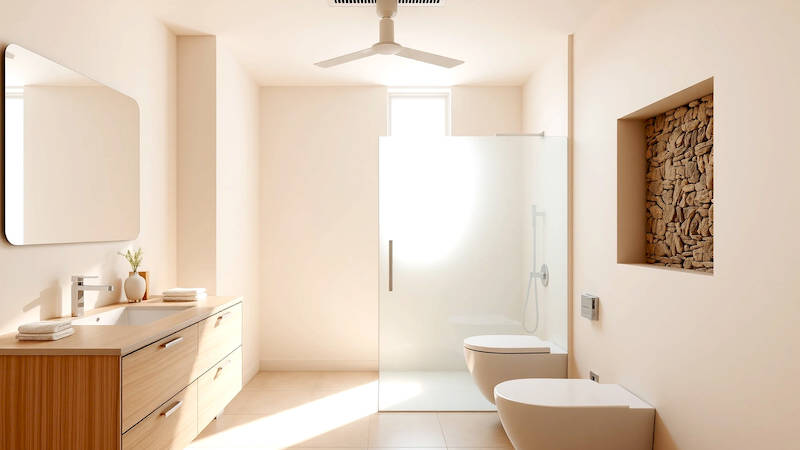
The bathroom is often considered a sanctuary, a space for personal care and relaxation. A key element in creating a functional and aesthetically pleasing bathroom is the vanity, and the countertop material chosen significantly impacts both its durability and overall look. Beyond aesthetics, the bathroom environment presents unique challenges for countertops – humidity, frequent water exposure, and the potential for harsh cleaning products. Selecting the wrong material can lead to costly repairs, unsightly damage, and diminished property value. This article provides an in-depth guide to help homeowners and renovators select a durable and stylish countertop material for their bathroom vanities, covering everything from natural stone to engineered options, weighing the pros and cons of each. Investing time in research before making a decision will ensure a beautiful and long-lasting result.
A poorly chosen bathroom countertop material can quickly become a source of frustration. Imagine a beautiful marble vanity top stained by a stray droplet of hair dye, or a laminate surface peeling after just a few years of use. Beyond the inconvenience and visual impact, these issues can translate into costly replacements. Understanding the inherent properties of different materials – their porosity, hardness, and resistance to chemicals – is crucial for making an informed decision. Furthermore, budget considerations play a significant role, with prices varying dramatically between options. This guide will unpack these complexities, providing a clear roadmap for navigating the world of bathroom countertop materials.
- Understanding the Core Requirements of a Bathroom Countertop
- Natural Stone Options: Granite, Marble, and Soapstone
- Quartz: The Engineered Stone Powerhouse
- Solid Surface Countertops: Acrylic and Polyester Options
- Laminate: A Budget-Friendly Option with Limitations
- Conclusion: Making the Right Choice for Your Bathroom
Understanding the Core Requirements of a Bathroom Countertop
Bathroom countertops endure a unique set of stresses not typically found in kitchen environments. Constant moisture, from splashing water to steamy showers, is a prime concern. Materials must resist water absorption to prevent staining, bacterial growth, and structural damage. Beyond water resistance, a bathroom counter needs to withstand common bathroom chemicals like hairspray, makeup removers, and cleaning solutions without discoloration or etching. Unlike a kitchen where cutting and heat are common, bathroom surfaces are more prone to cosmetic damage – scratches, dents, and stains from personal care products. The countertop material should therefore balance durability with aesthetic appeal.
The level of bathroom usage and the number of people using the space are also important factors. A master bathroom frequently used by multiple people requires a more robust material than a guest bathroom that sees limited traffic. Another often-overlooked aspect is the overall bathroom style. A sleek, modern bathroom demands different countertop options than a traditional or rustic design. Consider whether you’re aiming for a seamless, minimalist aesthetic or one that embraces natural variations in materials like stone. Ultimately, the ‘best’ material is not universal but dependent on your specific needs, style preferences, and budget.
Finally, proper sealing and maintenance are key to extending the lifespan of any bathroom countertop. Even the most durable materials require some degree of care to prevent damage. Understanding the recommended maintenance routine for each material will ensure its longevity and preserve its beauty. For example, natural stone requires periodic resealing, while quartz requires minimal upkeep.
Natural Stone Options: Granite, Marble, and Soapstone
Natural stone countertops, like granite, marble, and soapstone, offer a luxurious look and feel that's difficult to replicate. Granite is renowned for its durability and resistance to scratching and heat (although heat isn’t a primary concern in bathrooms). It’s a relatively porous stone, requiring sealing to prevent staining, but with proper care, it can last for decades. The vast range of colors and patterns available makes it a versatile choice to suit many bathroom designs. However, granite's weight requires a strong vanity base, and improper installation can lead to cracking.
Marble, while equally elegant, is significantly softer than granite and more prone to etching from acidic substances like citrus and some cleaning products. It will stain if not sealed properly and regularly. This makes it a less practical choice for heavily used bathrooms or for homeowners who prefer low maintenance. However, the classic beauty of marble, with its characteristic veining, continues to make it a popular choice, particularly in luxurious master bathrooms. According to the Marble Institute of America, proper sealing and cleaning with pH-neutral solutions are vital to preserving a marble countertop's beauty.
Soapstone is an excellent alternative to marble and granite. It's naturally non-porous, making it highly resistant to staining and bacteria. Its soft, velvety texture is also a distinctive feature. Unlike granite and marble, soapstone doesn't require sealing, though many homeowners choose to occasionally oil it to deepen its color. It's also relatively soft, so it can be scratched, however, many appreciate the lived-in patina that develops with age. Soapstone typically comes in darker shades, making it well-suited to transitional or contemporary bathroom styles.
Quartz: The Engineered Stone Powerhouse
Quartz countertops have surged in popularity in recent years, largely due to their exceptional durability and low maintenance requirements. While often referred to as "engineered stone," quartz countertops are actually composed of approximately 90-95% ground natural quartz combined with resins, polymers, and pigments. This combination creates a non-porous surface that's highly resistant to staining, scratching, and bacterial growth. Because it's non-porous, quartz does not require sealing.
The versatility of quartz is another key advantage. The manufacturing process allows for a massive range of colors, patterns, and finishes, including options that mimic the look of natural stone. Unlike natural stone, which can have variations in veining and color, quartz offers consistent color throughout the slab, which is appealing to many homeowners. According to a report by HomeAdvisor, the average cost of quartz countertops falls between $50 and $150 per square foot, representing a significant investment but one that often pays off in the long run due to its longevity and low maintenance.
However, it’s important to note that quartz isn’t completely impervious to damage. While highly scratch-resistant, it can be chipped, and prolonged exposure to direct sunlight may cause fading. Also, it's not as heat-resistant as granite, so avoid placing hot styling tools directly on the surface. Ultimately, quartz provides an excellent balance of aesthetics, durability, and practicality, making it a top choice for many bathroom renovations.
Solid Surface Countertops: Acrylic and Polyester Options
Solid surface countertops, typically made from acrylic or polyester resins, offer a seamless and non-porous surface that’s resistant to staining and bacteria. Brands like Corian are well-known in this category. They’re formed by pouring the resin into molds, allowing for integrated sinks and custom edge details, creating a truly seamless appearance. The non-porous nature means no sealing is required, and cleaning is easy with mild soap and water.
Solid surface countertops are relatively affordable compared to natural stone and quartz, making them an attractive option for budget-conscious renovators. They’re also relatively soft, making them prone to scratches and dents. However, a unique benefit is their repairability. Scratches can often be buffed out, restoring the surface to its original condition. This ability to be sanded and restored extends the countertop's lifespan and makes it a practical choice for families with children.
The aesthetic options with solid surface countertops are continually expanding, with manufacturers offering a wide variety of colors and patterns. While they may not have the same luxurious depth as natural stone, they can effectively mimic the look of other materials. However, it is essential to be aware that solid surface countertops can be damaged by heat and are not as durable as quartz or granite.
Laminate: A Budget-Friendly Option with Limitations
Laminate countertops are the most affordable option, consisting of a decorative surface bonded to a particleboard core. They've traditionally been a popular choice for budget-conscious renovations, offering a wide variety of colors and patterns. Modern laminate technology has improved significantly, with options that mimic the look of wood, stone, and other materials. However, laminate’s primary drawback is its lack of durability. It's susceptible to scratches, stains, and water damage.
The particleboard core is particularly vulnerable to water absorption, leading to swelling and delamination if moisture seeps in through seams or cuts. While some laminate countertops are available with water-resistant coatings, they’re still not as impervious to moisture as stone or solid surface options. Furthermore, laminate is difficult to repair; deep scratches or damage usually require complete replacement.
Despite its limitations, laminate can be a viable choice for less-used bathrooms or for homeowners looking for a temporary and inexpensive solution. Proper sealing around the edges and prompt cleanup of spills are essential to maximizing its lifespan. Ultimately, if longevity and performance are top priorities, other materials offer a better long-term investment.
Conclusion: Making the Right Choice for Your Bathroom
Selecting the right countertop material for your bathroom vanity is a crucial decision that impacts both the aesthetic and functional aspects of the space. Natural stones like granite, marble and soapstone offer timeless beauty but require diligent maintenance. Engineered quartz provides exceptional durability, low maintenance and a wide range of design options. Solid surface countertops offer affordability and repairability, while laminate provides an economical but less durable solution.
Consider your budget, lifestyle, and design preferences carefully. If you’re willing to invest in long-term durability and are committed to regular sealing, natural stone could be a great option. If low maintenance and versatility are top priorities, quartz is an excellent choice. For budget-conscious renovators, solid surface or laminate may be suitable, but be aware of their limitations. Remember to factor in installation costs and potential maintenance expenses alongside the initial material cost. Thorough research and careful consideration will ensure you select a bathroom countertop that enhances your space for years to come. Don’t hesitate to consult with design professionals and countertop installers to gain personalized advice based on your specific needs and circumstances.
Deja una respuesta