
How to Install a Wall-Mounted Bathroom Cabinet for Extra Storage
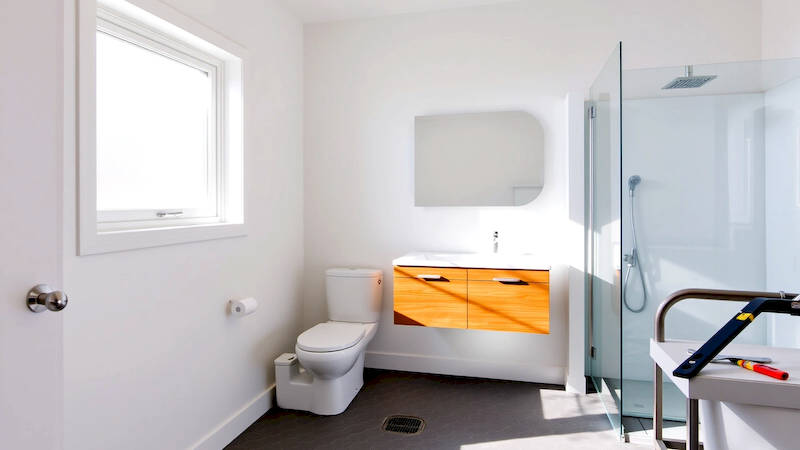
Bathrooms are often the smallest rooms in the house, making storage a constant challenge. Traditional vanities and floor cabinets can quickly overwhelm the space, leaving the room feeling cramped and cluttered. Wall-mounted bathroom cabinets offer a brilliant solution, leveraging vertical space and creating a more open, airy feel. Installing one isn't just about gaining storage; it’s about enhancing the functionality and aesthetics of your bathroom. This comprehensive guide will walk you through every step of the process, from planning and preparation to the final installation, ensuring a secure and stylish addition to your home. We’ll address common challenges, safety considerations, and provide tips for success, even for those with limited DIY experience.
Choosing to go wall-mounted isn’t merely a stylistic preference. According to a 2023 Houzz survey, 68% of homeowners undertaking bathroom renovations prioritize maximizing space, and wall-mounted cabinetry is a significant contributor to achieving this goal. Beyond the space-saving benefits, these cabinets often present a modern and streamlined look that elevates the overall bathroom design. This article aims to provide a detailed, step-by-step guide to installing these cabinets.
- Planning and Preparation: Assessing Your Needs and Space
- Gathering Tools and Materials: Ensuring You Have Everything You Need
- Locating Wall Studs and Marking the Mounting Position
- Installing the Cabinet: A Step-by-Step Guide
- Final Checks and Adjustments: Ensuring Stability and Aesthetics
- Addressing Potential Challenges and Troubleshooting
- Conclusion: Enjoying Your Newly Installed Wall-Mounted Cabinet
Planning and Preparation: Assessing Your Needs and Space
Before you even think about buying a cabinet, careful planning is crucial. This phase determines the success of the entire project. Start by thoroughly assessing your storage needs. What items will you be storing in the cabinet? This will dictate the size, depth, and number of shelves or compartments you require. Consider items like toiletries, medications, cleaning supplies, and fresh towels. A small powder room will require a significantly different cabinet than a large master bathroom. Think about accessibility, too - frequently used items should be easily reachable.
Next, analyze your bathroom’s wall structure. Locate wall studs using a stud finder – these are the vertical wooden or metal supports within the wall. You absolutely must anchor the cabinet to the studs to ensure it can safely support the weight of its contents. Avoid mounting directly into drywall, as it won't provide adequate support. If studs aren’t conveniently located where you want to mount the cabinet, you may need to add a horizontal ledger board anchored to the studs to provide a secure mounting surface. Consider the height of the cabinet; standard bathroom cabinet heights range from 60-72 inches, but adjust according to your needs and comfort.
Finally, think about plumbing and electrical wiring. Be particularly cautious about drilling into walls where pipes or wires might be hidden. Using a wire and pipe detector is highly recommended. If you’re unsure about anything, consult a qualified plumber or electrician before proceeding. As interior designer Sarah Miller states, "Proper preparation is 90% of a successful DIY project. Don’t skip the planning stage, it will save you headaches later."
Gathering Tools and Materials: Ensuring You Have Everything You Need
Once you’ve planned the installation, it's time to gather the necessary tools and materials. A comprehensive list will prevent frustrating interruptions mid-project. Essential tools include a stud finder, level (a long one is best for accurate measurements), drill with various drill bits, screwdriver (both Phillips and flathead), measuring tape, pencil, safety glasses, and a dust mask. You may also need shims, depending on the wall’s levelness, to ensure the cabinet is perfectly aligned.
In terms of materials, you’ll need the wall-mounted cabinet itself, appropriate mounting hardware (typically screws, anchors, and potentially a ledger board), and potentially wood filler to repair any minor damage to the wall. The mounting hardware included with the cabinet may not always be sufficient, especially for heavier cabinets. Consider upgrading to heavier-duty screws and anchors for added security. Purchasing a wall screw kit specifically designed for bathroom fixtures will ensure you have everything required. It is also crucial to consider the wall type - drywall, plaster, or tile will all require different mounting strategies and potentially different types of anchors.
Don’t forget personal protective equipment! Safety glasses are essential to protect your eyes from dust and debris, and a dust mask will prevent you from inhaling harmful particles. Having a dedicated workspace and keeping tools organized will also streamline the process.
Locating Wall Studs and Marking the Mounting Position
Accurately locating wall studs is paramount for a safe and secure installation. While a stud finder is the most reliable tool, it’s helpful to understand the underlying principles. Studs are typically spaced 16 or 24 inches apart. Start by tapping lightly on the wall; a solid sound indicates a stud, while a hollow sound suggests empty space. Use the stud finder to scan the wall, following its instructions to pinpoint the exact location of the studs. Mark the stud locations clearly with a pencil.
Once you’ve identified the studs, determine the desired height and position of the cabinet. Use a level to draw a straight horizontal line on the wall, representing the top edge of the cabinet. Then, measure and mark the points on the studs where you’ll be drilling pilot holes for the mounting screws. Double-check your measurements to ensure the cabinet will be centered and level before drilling. This step is critical for aesthetic appeal and structural integrity. For cabinets without pre-drilled mounting holes, align the cabinet’s mounting brackets with the marked stud locations.
If you’re using a ledger board, attach it horizontally to the studs using long, sturdy screws. Ensure the ledger board is perfectly level before securing it, as this will serve as the foundation for the cabinet. The ledger board should be capable of supporting the full weight of the cabinet and its contents.
Installing the Cabinet: A Step-by-Step Guide
With the preparations complete, you can now begin the installation. Start by carefully aligning the cabinet with the marked points on the wall or the ledger board. Hold the cabinet firmly in place while pre-drilling pilot holes through the mounting brackets and into the studs (or ledger board). Pilot holes prevent the wood from splitting and make screwing easier.
Next, insert the appropriate screws into the pilot holes and tighten them securely. Use a screwdriver or drill with a torque setting to avoid over-tightening, which could strip the screws or damage the cabinet. Continue tightening the screws gradually, alternating between them to ensure even pressure and a flush mount. As you tighten the screws, constantly check the cabinet's levelness. If needed, use shims to adjust the alignment before fully securing it.
For cabinets that require anchoring into drywall in addition to stud mounting, use appropriate drywall anchors. Follow the manufacturer’s instructions for installing the anchors, ensuring they are securely embedded in the wall. Before trusting the cabinet to the anchors, gently test its stability to confirm it can bear weight. Don't skip this step. A poorly secured cabinet can become a safety hazard.
Final Checks and Adjustments: Ensuring Stability and Aesthetics
Once the cabinet is fully mounted, perform a series of final checks. Gently tug on the cabinet to test its stability. If there's any movement or wobble, retighten the screws or add additional support. Use a level to confirm the cabinet is perfectly horizontal and vertical. Adjust the shims if necessary.
Inspect the surrounding wall for any damage caused during the installation. Use wood filler to repair any small holes or scratches, and then touch up with paint that matches the wall color. Clean the cabinet with a damp cloth to remove any dust or debris. Finally, double-check that all doors and drawers open and close smoothly. Adjust hinges and drawer slides as needed to ensure proper functionality.
Consider adding additional safety features, especially if children are present. Cabinet locks or safety straps can prevent the cabinet from swinging open unexpectedly, reducing the risk of accidents. “A well-installed cabinet isn’t just about aesthetics; it’s about ensuring a safe and functional space,” emphasizes contractor James Holt.
Addressing Potential Challenges and Troubleshooting
Even with thorough preparation, you may encounter unforeseen challenges during the installation process. One common issue is discovering hidden plumbing or electrical wiring within the wall. If this happens, immediately stop drilling and consult a qualified professional. Another challenge is encountering uneven walls. Shims can help compensate for minor imperfections, but significant irregularities may require more extensive wall repairs.
If the screws aren’t holding securely, you may have hit a hollow section of the wall or the screws are inappropriate for the wall type. Try using a different type of screw or anchor, or consider adding a ledger board for greater support. A wobbly cabinet can be frustrating. Ensure all screws are tightened, the cabinet is correctly aligned, and shims are used to level the unit. Remember to prioritize safety and seek professional help when needed – don’t attempt a repair if you’re unsure about your abilities.
Conclusion: Enjoying Your Newly Installed Wall-Mounted Cabinet
Installing a wall-mounted bathroom cabinet is a rewarding DIY project that can significantly enhance your bathroom’s functionality and aesthetics. Careful planning, accurate measurements, and a methodical approach are key to success. Remember to prioritize safety by using appropriate tools, wearing protective gear, and consulting professionals when needed. By following the steps outlined in this guide, you can transform your bathroom into a more organized and stylish space.
The core takeaways are the importance of locating studs, ensuring proper anchoring, and meticulous attention to detail. Before starting, thoroughly assess your needs, gather the right materials, and don’t rush the process. A well-installed wall-mounted cabinet will not only provide valuable storage but also contribute to a more spacious and inviting bathroom environment, ultimately boosting your home’s value and your daily comfort. Finally, remember to regularly inspect the cabinet’s mounting hardware to ensure continued stability and safety.
Deja una respuesta