
Essential Elements for Creating a Relaxing Zen Outdoor Retreat
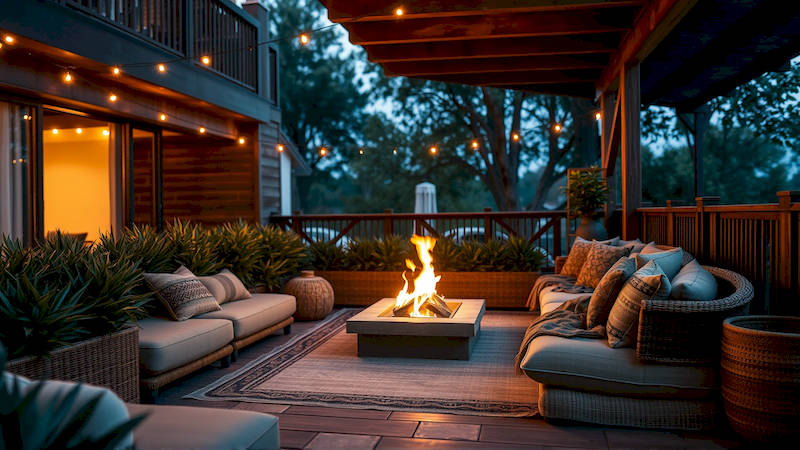
In today’s fast-paced world, the desire for tranquility and escape is stronger than ever. Our homes, and particularly our outdoor spaces, are increasingly becoming sanctuaries – places to de-stress, reconnect with nature, and find inner peace. A well-designed outdoor space can significantly improve our wellbeing, reducing stress levels and boosting overall happiness. Embracing the principles of Zen design offers a pathway to transforming your backyard into a haven of calm, a retreat that promotes mindfulness and relaxation. This isn’t simply about aesthetics; it's about creating an environment that actively encourages a slower pace of life and a deeper connection to the present moment.
The beauty of a Zen garden lies in its simplicity and intentionality. It’s a departure from the often-cluttered and over-stimulated environments we encounter daily. Incorporating elements like natural materials, flowing water, and carefully chosen plants can create a space that soothes the senses and calms the mind. According to a study by the University of Minnesota, spending time in nature can lower blood pressure and reduce levels of the stress hormone cortisol. Therefore, crafting an outdoor retreat grounded in Zen principles is not a luxury, but an investment in your physical and mental wellbeing.
This article will delve into the essential elements required to build your own relaxing Zen outdoor retreat. We’ll explore everything from layout and materials to plant selection and water features, providing you with practical guidance to create a space that fosters peace and tranquility. We'll also unpack how to balance aesthetic appeal with the functional needs of your outdoor living area, resulting in a beautiful and restorative environment.
The Foundation: Layout and Spatial Harmony
The principles of Zen design emphasize simplicity, asymmetry, and the avoidance of clutter. When planning the layout of your Zen retreat, consider the concept of “Ma” – the Japanese notion of negative space. This isn’t wasted space, but rather intentional emptiness that allows the other elements to breathe and creates a sense of openness. Avoid overwhelming the space with too many features; instead, focus on careful placement and thoughtful composition. Think about how you will move through the space, creating pathways and areas for contemplation without interrupting the flow.
A key element to consider is creating distinct 'zones' within your outdoor area, but these zones shouldn’t feel rigidly separated. Perhaps a small seating area nestled amongst bamboo, a gravel pathway leading to a meditation spot, or a carefully placed stone lantern illuminating a feature tree. These transitions should be subtle and natural, avoiding harsh lines or abrupt changes in scenery. Avoid symmetry; Zen gardens rarely employ perfectly balanced arrangements. Instead, opt for asymmetrical designs that mimic the organic forms found in nature. A slight offset in the placement of stones or plants can create a more harmonious and visually interesting composition.
Consider the existing landscape. Work with the natural contours of your yard, rather than attempting to completely reshape it. Existing trees, rocks, or slopes can be incorporated to create a more authentic and integrated design. This approach aligns with the Zen philosophy of respecting and harmonizing with nature, rather than dominating it. Observing how sunlight naturally falls across your yard throughout the day is also vital for planning, ensuring quiet, shaded areas are balanced with sun-drenched spaces.
The Role of Natural Materials
Natural materials are foundational to Zen design, bringing a sense of earthiness and authenticity to the space. Stone, wood, bamboo, and gravel are all excellent choices, offering textural contrast and a connection to the natural world. When selecting materials, opt for those that are durable and weather-resistant, ensuring your retreat will withstand the elements for years. Using locally sourced materials can further enhance the connection to your environment.
Gravel, specifically a light-colored variety, is often used to represent water in Zen gardens, a practice known as “karesansui,” or dry landscape gardening. The raked patterns in the gravel symbolize ripples and currents, creating a sense of movement and flow without the need for actual water. Wood, particularly weathered or reclaimed wood, adds warmth and character. Consider using it for decking, fencing, or creating raised planters. Bamboo is another popular choice, offering a sense of serenity and privacy. It grows quickly, making it a sustainable option, but be mindful of its spread and potential to become invasive.
Prioritize materials that age gracefully. The natural patina of weathered wood or moss-covered stone adds to the charm and authenticity of a Zen garden, reflecting the passage of time and the beauty of imperfection. Avoid highly-processed or artificial materials, as these can detract from the natural aesthetic. Aim for textures and colours that are muted and calming, avoiding anything too bright or jarring.
The Tranquility of Water Features
Water is a vital element in Zen gardens, representing purity, flow, and the cycle of life. While a traditional Japanese garden might incorporate a koi pond or a cascading waterfall, even a small water feature can have a profound impact on the atmosphere of your retreat. The sound of gently flowing water is incredibly soothing, masking distracting noises and promoting a sense of calm.
Consider incorporating a bamboo fountain, a small stone basin with a dripping spout, or a recirculating water wall. Even a simple bird bath can bring a touch of tranquility to the space, attracting wildlife and adding a sense of natural vibrancy. If space and budget allow, a small pond can be a beautiful focal point, particularly when surrounded by lush vegetation. However, remember that ponds require regular maintenance to prevent algae growth and ensure the health of any aquatic life.
The placement of the water feature is crucial. Position it in a spot where you can easily hear and see it, perhaps near a seating area or along a pathway. Consider the surrounding landscape and how the water feature will interact with it. A water feature placed near bamboo or ferns can create a particularly harmonious effect.
Planting for Peace: Selecting the Right Flora
Plant selection is critical to achieving a Zen aesthetic. The focus should be on creating a lush, green environment with a limited color palette. Avoid bright, flashy flowers and instead opt for plants with subtle textures and calming shades of green. Consider using a variety of foliage types, from the delicate fronds of ferns to the bold leaves of hostas.
Japanese maples are a classic choice for Zen gardens, adding a touch of elegance and visual interest with their delicate branching patterns and vibrant foliage, especially in the fall. Bamboo, as mentioned earlier, is also an excellent option, providing privacy and a sense of serenity. Moss is another important element, often used to cover rocks and create a lush, textural groundcover. Other suitable plants include azaleas, camellias, and hostas.
Avoid plants that require frequent pruning or maintenance. The goal is to create a low-maintenance retreat, so choose plants that are well-suited to your climate and soil conditions. Consider the symbolism of different plants. For example, pine trees represent longevity, while cherry blossoms symbolize the fleeting nature of life.
The Art of Subtle Lighting
Lighting plays a crucial role in creating the ambiance of your Zen outdoor retreat, especially during the evening hours. The goal is to create a soft, subtle glow that enhances the natural beauty of the space without being overly harsh or intrusive. Avoid bright, white lights and instead opt for warm-toned LEDs or lanterns.
Uplighting can be used to highlight interesting features, such as trees, rocks, or water features. Path lighting can provide a gentle glow to guide you through the space. Consider using solar-powered lights to reduce your environmental impact and energy costs. Paper lanterns or string lights can add a touch of whimsy and warmth.
Focus on creating pockets of light and shadow, rather than illuminating the entire space evenly. This creates a sense of mystery and encourages contemplation. As with all elements of Zen design, subtlety is key. The lighting should enhance the atmosphere without drawing too much attention to itself.
Finishing Touches: Accessories and Details
The final layer of refinement involves adding those small, carefully considered accessories that elevate the space to a truly tranquil retreat. These might include a stone lantern, a small Buddha statue, or a carefully chosen piece of garden art. The key is to avoid clutter and to select items that are meaningful to you and contribute to the overall sense of calm.
A meditation cushion or a comfortable outdoor chair can provide a peaceful spot for contemplation. A small table can be used to hold a cup of tea or a book. Consider adding a wind chime, whose gentle tinkling can further enhance the sense of serenity. Choose accessories that are made from natural materials, such as stone, wood, or bamboo. As the Zen saying goes, "Less is more."
Conclusion: Cultivating Your Personal Sanctuary
Creating a relaxing Zen outdoor retreat is a journey of mindfulness and intentional design. By embracing the principles of simplicity, asymmetry, and natural materials, you can transform your backyard into a haven of peace and tranquility. Remember to prioritize negative space, carefully curate your plant selection, and incorporate the soothing sound of water. Subtle lighting and thoughtfully chosen accessories will complete the transformation, creating a space that nurtures your wellbeing and invites you to reconnect with yourself and the natural world.
The key takeaway is that a Zen garden isn't about following a strict set of rules; it's about creating a space that resonates with your personal values and promotes a sense of calm and contentment. Start small, focus on one area at a time, and allow the design to evolve organically. The process of creating your retreat should be as rewarding as the final result. By taking the time to cultivate your own personal sanctuary, you'll create a space where you can truly relax, recharge, and find inner peace.
Deja una respuesta