
Choosing the Right Vanity Size for Small Bathroom Spaces
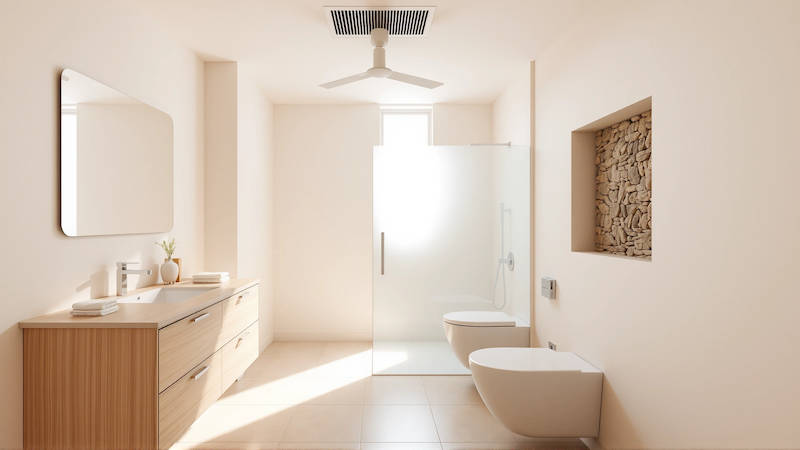
Renovating a small bathroom presents unique challenges. Space is at a premium, and every design choice must maximize functionality without compromising style. While larger bathrooms offer flexibility, a small bathroom demands careful planning, especially when it comes to the vanity. The vanity isn’t just a cosmetic element; it’s a crucial storage solution, a focal point for design, and a significant influencer of the overall bathroom experience. Selecting the right size vanity is arguably one of the most important decisions you’ll make—too large, and the bathroom feels cramped and unusable; too small, and you'll lack essential storage and counter space.
Many homeowners underestimate the impact of vanity size, often focusing solely on aesthetics. However, a poorly sized vanity can lead to frustration and a lack of practicality, ultimately diminishing your enjoyment of the space. According to a recent survey by the National Kitchen & Bath Association (NKBA), storage is consistently ranked as the top priority for bathroom renovations, highlighting the pivotal role of the vanity. This article will provide a detailed guide to selecting the perfect vanity size for your small bathroom, covering essential considerations, space-saving techniques, and practical examples to help you create a functional and stylish space.
This isn’t about sacrificing style for size. It is about making informed choices that yield a visually appealing and highly functional bathroom, regardless of its dimensions. By understanding the crucial parameters and available options, you can navigate this challenge and transform your small bathroom into a haven of comfort and convenience.
- Understanding Standard Vanity Sizes and Bathroom Layouts
- Determining the Right Width for Your Space
- Exploring Height and Depth Considerations
- Maximizing Storage with Clever Design Choices
- Material and Style Choices for a Larger Feel
- Case Study: Optimizing a 40 sq ft Bathroom
- Conclusion: Creating a Functional & Stylish Small Bathroom
Understanding Standard Vanity Sizes and Bathroom Layouts
Before diving into specific size recommendations, it's essential to understand standard vanity dimensions and how they relate to overall bathroom layout. Generally, vanity widths are categorized as follows: under 24 inches (small/pedestal style), 24-36 inches (standard small), 36-48 inches (standard), 48-60 inches (large), and 60+ inches (extra-large). However, in a small bathroom, we’ll primarily focus on options under 48 inches. Depth typically ranges between 18-21 inches, while height usually falls between 32-36 inches, though this is often adjustable.
Beyond the dimensions of the vanity itself, consider the surrounding space. The NKBA recommends at least 30 inches of clearance in front of the vanity to allow comfortable movement, and a minimum of 21 inches of clearance on either side. These guidelines are crucial; squeezing a vanity into a space without adequate clearance creates a frustrating obstacle course. Carefully measure your bathroom's length and width, paying attention to doorways, toilets, and other fixtures. Create a scaled floor plan to visualize how different vanity sizes will fit and impact traffic flow.
Finally, recognize the impact of bathroom shape. A long, narrow bathroom will have different requirements than a square one. For example, a narrow vanity with a deeper depth might work better in a long, narrow space, maximizing counter space without impeding movement. A square bathroom may benefit from a wider, but shallower, vanity.
Determining the Right Width for Your Space
Determining the ideal vanity width is a balancing act between storage needs and available space. A common misconception is that you should always opt for the smallest possible vanity to maximize free space. However, this can quickly lead to insufficient storage, resulting in clutter and a disorganized bathroom. A good starting point is to assess your current storage needs. How much counter space do you realistically require for daily routines? What items do you need to store within the vanity cabinets? Consider toiletries, cleaning supplies, towels, and other essentials.
For bathrooms under 40 square feet, a vanity between 18 and 24 inches wide is often a suitable choice. These vanities prioritize space-saving and are typically paired with pedestal sinks or wall-mounted options. For bathrooms between 40 and 60 square feet, a 24-36 inch vanity provides a decent balance of storage and functionality. If you can comfortably accommodate it, a 36-inch vanity offers a significant increase in storage without overwhelming the space. A valuable tip is to consider corner vanities, which can utilize often-unused corner space and provide surprising storage capacity.
Remember to account for the sink configuration – a single sink will take up less width than a double sink setup, obviously. If a double sink is essential, consider a wider vanity starting around 48 inches, but only if the space genuinely permits it without compromising accessibility.
Exploring Height and Depth Considerations
While width often receives the most attention, vanity height and depth are equally crucial for comfort and functionality. Standard vanity height is around 32-36 inches, but this can and should be adjusted to suit your personal needs and the height of the users. Ergonomic considerations are paramount. A vanity that is too high or too low can lead to back strain and an unpleasant experience.
For taller individuals, a vanity height of 36 inches or higher might be preferable, while shorter individuals may find a height of 30-32 inches more comfortable. If multiple individuals will be using the bathroom, consider an adjustable-height vanity or a compromise height that works for most users. Regarding depth, a standard depth of 18-21 inches provides ample storage without encroaching too far into the bathroom. However, in extremely small bathrooms, shallower vanities (around 16 inches) can save valuable space.
Consider the plumbing configuration as well. Standard plumbing depths can influence how far the vanity can extend into the room. “Floating” or wall-mounted vanities, with their open space underneath, can create the illusion of more space and also allow for easy cleaning. This is a trendy solution that utilizes vertical space efficiently.
Maximizing Storage with Clever Design Choices
Even with a limited footprint, strategic design choices can significantly maximize storage within your small bathroom vanity. One effective technique is to choose a vanity with drawers instead of cabinets. Drawers offer easier access to items stored at the back and utilize space more efficiently than cabinets with fixed shelves. Pull-out organizers and dividers within the drawers can further enhance organization.
Another pro-tip is to select a vanity with built-in features such as shelving units or open storage compartments. These options provide convenient access to frequently used items like towels and toiletries. Avoid overly ornate vanities with bulky details, as these can make the space feel cluttered. Opt for a clean, minimalist design that maximizes storage potential. Don't underestimate the power of vertical storage. Tall, narrow cabinets or shelving units built around the vanity can provide additional storage without taking up valuable floor space.
Finally, consider incorporating mirrored medicine cabinets above the vanity. These offer hidden storage for small items while providing a functional mirror. Integrated lighting within the medicine cabinet further enhances functionality.
Material and Style Choices for a Larger Feel
The materials and style you choose for your vanity can significantly impact the perceived size of your small bathroom. Lighter colors, such as white, beige, and pale gray, reflect light and create an airy, spacious feel. Dark colors, while stylish, can absorb light and make the space feel smaller and more cramped.
Consider using glossy finishes on the vanity cabinets, as these also reflect light and enhance the sense of openness. Avoid overly ornate detailing or heavy hardware, as these can weigh down the space visually. A sleek, minimalist design with clean lines will create a more modern and spacious feel. Glass-fronted cabinets can also create the illusion of more space, allowing you to see through to the back of the cabinet.
Furthermore, opt for a style that blends seamlessly with the overall bathroom design. A cohesive design creates a sense of harmony and makes the space feel more unified and spacious. Don’t be afraid to incorporate mirrors strategically to reflect light and expand the visual space.
Case Study: Optimizing a 40 sq ft Bathroom
Let's consider a real-world example: a 40 sq ft bathroom with limited layout options. The previous vanity was a bulky 48-inch cabinet that overwhelmed the space and left minimal room to maneuver. The renovation involved replacing it with a 24-inch wall-mounted vanity in a light gray finish. This immediately freed up valuable floor space, making the bathroom feel significantly more open. To maximize storage, the new vanity featured deep drawers with pull-out organizers, eliminating the need for cabinet space. A mirrored medicine cabinet was installed above the vanity, providing additional storage for toiletries.
The result was a transformation. The bathroom felt brighter, more spacious, and more functional. The homeowner reported a significant improvement in daily routines, thanks to the increased storage and accessibility. This case study demonstrates that removing bulky elements and focusing on space-saving solutions can significantly enhance the functionality and aesthetic appeal of a small bathroom.
Conclusion: Creating a Functional & Stylish Small Bathroom
Choosing the right vanity size for a small bathroom requires careful consideration and planning. By understanding standard sizes, assessing your storage needs, and exploring clever design choices, you can create a functional and stylish space that meets your needs without feeling cramped or cluttered. Remember that prioritizing functionality doesn’t mean sacrificing style – with the right materials, colors, and design elements, you can transform a small bathroom into a haven of comfort and convenience.
Key takeaways include: accurately measure your space and create a floor plan; prioritize storage solutions like drawers and wall-mounted options; opt for lighter colors and minimalist designs to create a sense of openness and always, always consider the ergonomic needs of all users. By embracing these principles, you can confidently navigate the challenges of small bathroom renovation and create a space you’ll enjoy for years to come. Don't hesitate to consult with a professional bathroom designer if you need assistance with space planning or design ideas. Your dream bathroom, no matter the size, is within reach.
Deja una respuesta