
Installing a Bidet Attachment on an Existing Toilet
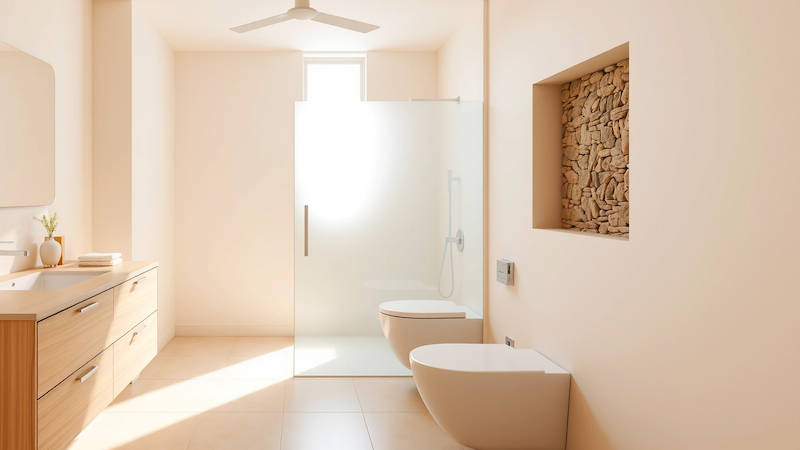
The bathroom, once simply a functional space, is increasingly viewed as a sanctuary – a place for relaxation and self-care. Alongside this shift, personal hygiene standards are also evolving, with a growing awareness of the benefits of improved cleanliness and comfort. Enter the bidet attachment: a relatively inexpensive and easily installed upgrade to any existing toilet that offers a superior cleaning experience compared to traditional toilet paper. No longer a fixture exclusive to luxury bathrooms or overseas travel, the bidet attachment is becoming a mainstream bathroom addition in North America, driven by health concerns, environmental awareness, and the simple desire for a fresher, more comfortable clean. This guide will walk you through everything you need to know about installing a bidet attachment, from choosing the right model to a detailed step-by-step installation process, ensuring a seamless and satisfying upgrade to your bathroom routine.
The popularity of bidets has surged in recent years. According to a report by Grand View Research, the global bidet toilet market size was valued at USD 2.97 billion in 2022 and is expected to grow at a compound annual growth rate (CAGR) of 6.6% from 2023 to 2030. This growth isn’t simply about novelty; it's supported by health professionals who recommend bidets for individuals with certain medical conditions, such as hemorrhoids, irritable bowel syndrome, and limited mobility. Beyond health, many embrace the eco-friendly aspect of reducing toilet paper consumption. "The environmental impact of toilet paper production is significant, from deforestation to the water and energy used in manufacturing,” notes environmental scientist Dr. Emily Carter, “Switching to a bidet, even partially, can substantially lessen that impact." Ultimately, the bidet attachment transforms the bathroom experience, presenting a compelling combination of hygiene, comfort, and sustainability.
- Understanding Bidet Attachment Types & Features
- Gathering Your Tools and Materials
- Step-by-Step Installation Guide: Non-Electric Bidet Attachment
- Navigating Electrical Requirements for Electric Bidets
- Troubleshooting Common Installation Issues
- Maintaining Your Bidet Attachment for Longevity
- Conclusion: Embracing the Future of Bathroom Hygiene
Understanding Bidet Attachment Types & Features
The market offers a surprising variety of bidet attachments, each catering to different needs and budgets. At the most basic level, you have non-electric bidets, which utilize your existing water supply pressure for operation. These are typically the most affordable and easiest to install, requiring no electrical outlet nearby. They generally offer a single nozzle for posterior wash and rely on manual controls. Moving up the ladder, you’ll find electric bidets, which require a nearby GFCI outlet. These models boast features like heated seats, warm water, adjustable water pressure, oscillating nozzles, self-cleaning nozzles, and even air dryers. These provide a more luxurious and customizable experience, but come at a higher price point. Choosing the right type depends on your budget, bathroom layout, and desired level of features.
Beyond the basic electric/non-electric distinction, consider the nozzle type. Single nozzles are common on basic models, while dual nozzles offer separate streams for posterior and feminine washing. Nozzle materials vary, with stainless steel being the most durable and hygienic. Another key consideration is the control mechanism – side controls, remote controls, or even smartphone apps for advanced models. Look for features like adjustable water temperature and pressure, as well as nozzle positioning. Don’t overlook the importance of a self-cleaning nozzle feature, as this minimizes maintenance and ensures optimal hygiene. Finally, compatibility with your toilet is crucial; most attachments are designed for standard two-piece toilets, but some may require adapters for one-piece toilets or specific bowl shapes.
Gathering Your Tools and Materials
Before you begin the installation, taking inventory of the necessary tools and materials is critical for a smooth and efficient process. This prevents frustrating mid-project interruptions. The most basic installation typically requires these tools: an adjustable wrench, a screwdriver (both flathead and Phillips head), Teflon tape (plumbing tape), a bucket, and a towel. A small basin wrench can also be helpful, especially if dealing with tight spaces. In addition to the bidet attachment itself, you'll need a bidet hose, often included with the attachment, to connect the bidet to the toilet's water supply.
It’s also wise to have a small flashlight handy for inspecting hard-to-reach areas. Depending on your plumbing configuration, you may also need adapters to ensure compatibility with your existing water supply lines. Many attachments come with a universal adapter kit, but it's always best to inspect beforehand. Most importantly, shut off the water supply to the toilet before beginning any work. This is a non-negotiable step to prevent flooding. Finally, have a clean workspace and protect the bathroom floor with a drop cloth or towel to avoid damage. Careful preparation is the key to a successful installation.
Step-by-Step Installation Guide: Non-Electric Bidet Attachment
The installation of a non-electric bidet attachment is remarkably straightforward, and most homeowners can complete it within 30-60 minutes. Start by shutting off the water supply to the toilet at the shut-off valve located near the floor. Flush the toilet to empty the tank. Next, disconnect the existing water supply hose from the toilet tank. Place a bucket underneath the connection to catch any residual water. Now, install the included T-adapter onto the toilet tank fill valve, ensuring a watertight seal.
Carefully attach the bidet hose to the T-adapter and the bidet attachment itself. Use Teflon tape on all threaded connections to prevent leaks. Next, position the bidet attachment onto the toilet bowl, aligning the mounting holes. Secure the bidet attachment using the provided mounting plates and bolts, tightening them securely but not over-tightly. Finally, slowly turn the water supply valve back on and inspect for leaks at all connections. If you detect any leaks, tighten the connections further or reapply Teflon tape. Test the bidet by operating the spray function and adjusting the water pressure.
Navigating Electrical Requirements for Electric Bidets
Installing an electric bidet attachment introduces an additional layer of complexity – the need for a dedicated electrical outlet. Electric bidets require a standard 120V, 60Hz GFCI (Ground Fault Circuit Interrupter) outlet within reach of the power cord. Never attempt to modify the power cord or use an extension cord, as this can create a serious safety hazard. If a GFCI outlet isn't readily available near the toilet, you will need to hire a qualified electrician to install one. This is not a DIY project due to the potential risks involved.
The electrician will assess your bathroom’s electrical system to ensure it can handle the additional load. They will also determine the best placement for the new outlet, adhering to all local electrical codes. Once the outlet is installed, you can proceed with the bidet attachment installation, following the manufacturer’s instructions. This typically involves connecting the water supply as described previously for non-electric models, and then plugging the bidet into the GFCI outlet. Thoroughly test the bidet's functions, including the heated seat, warm water, and other features, to ensure everything is working correctly and safely.
Troubleshooting Common Installation Issues
Despite the relative simplicity of the installation process, you may encounter a few common issues. Leaks are the most frequent problem, often stemming from improperly tightened connections or missing Teflon tape. Carefully inspect all connections and re-tighten or re-tape as needed. Another issue can be insufficient water pressure, particularly in older homes with corroded pipes. In this case, you may need to replace the water supply line or consider a bidet with a pressure-boosting feature.
If the bidet nozzles aren't spraying correctly, check for blockages or debris. Most bidets have a self-cleaning nozzle function, but you may need to manually clean them in some cases. Electrical issues, such as the bidet not powering on, are best left to a qualified electrician – do not attempt to diagnose or repair electrical problems yourself. Finally, ensure compatibility with your toilet; an incorrectly sized or shaped attachment can cause installation difficulties. Consulting the manufacturer's support team or watching instructional videos can often resolve installation hiccups and prevent frustration.
Maintaining Your Bidet Attachment for Longevity
Once your bidet attachment is installed, proper maintenance is crucial for ensuring its longevity and optimal performance. Regularly wipe down the bidet attachment with a mild cleaning solution and a soft cloth to remove any dirt or grime. Periodically inspect the water supply hose and connections for leaks or damage, replacing them if necessary. For electric bidets, periodically check the power cord for any signs of wear and tear.
If you have a model with a self-cleaning nozzle function, utilize it regularly. For models without this feature, clean the nozzle manually using a soft brush and mild soap. Avoid using harsh chemicals or abrasive cleaners, as they can damage the bidet attachment. Furthermore, consider installing a water filter on your water supply line to prevent mineral buildup in the bidet's internal components. With regular maintenance, your bidet attachment can provide years of hygienic and comfortable use.
Conclusion: Embracing the Future of Bathroom Hygiene
Installing a bidet attachment represents a simple yet impactful upgrade to your bathroom, significantly enhancing hygiene, comfort, and sustainability. Whether you opt for a basic, non-electric model or a feature-rich electric bidet, the benefits are undeniable. By carefully selecting the right model, gathering the necessary tools, and following the step-by-step installation instructions detailed within this guide, you can confidently undertake this DIY project and transform your bathroom experience. Remember to prioritize safety, particularly when dealing with electrical connections, and don’t hesitate to consult a professional when needed. The increasing popularity and technological advancements in bidet attachments demonstrate a growing commitment to personal well-being and environmental responsibility within the home. Taking the plunge and installing a bidet attachment is not simply a trend, but a smart investment in a cleaner, more comfortable, and sustainable future.
Deja una respuesta