
Incorporating Smart Lighting to Enhance Your Patio Ambiance
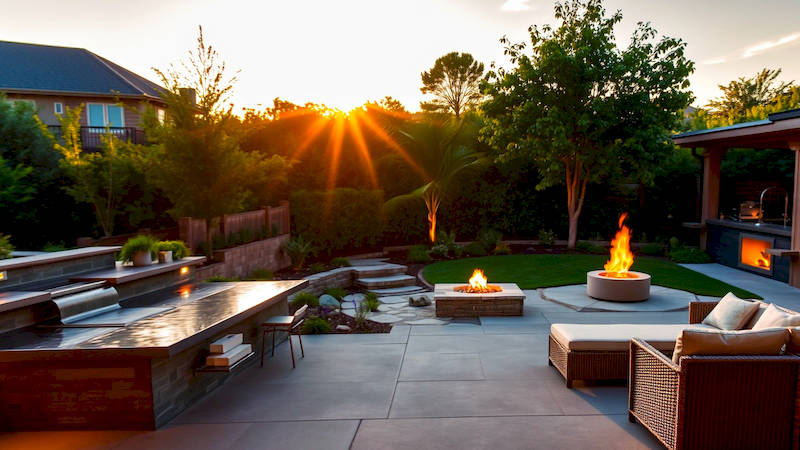
The allure of a well-designed outdoor living space is undeniable. Beyond simply extending your living area, a thoughtfully crafted patio, deck, or garden provides a sanctuary for relaxation, entertainment, and connection with nature. However, the impact of an outdoor space dramatically shifts once the sun sets. While traditional lighting options exist, they often lack the flexibility, control, and energy efficiency offered by smart lighting solutions. Increasingly, homeowners are recognizing the potential of integrating smart lighting to transform their patios into captivating, versatile environments that can be customized to suit any mood or occasion. This article will delve deep into the world of smart patio lighting, offering a comprehensive guide to selecting, installing, and maximizing the benefits of this innovative technology.
The shift towards smarter homes isn’t merely a trend; it’s a response to a growing desire for convenience, control, and sustainability. Smart lighting perfectly embodies these principles, offering features like remote control, scheduling, dimming, color customization, and integration with voice assistants. These capabilities extend beyond simple convenience. They allow for increased security through automated schedules that simulate occupancy, significant energy savings through efficient LED technology and motion-sensing controls, and, crucially, the creation of a truly immersive and personalized patio atmosphere. As the cost of smart home technology continues to decrease, it's becoming increasingly accessible to a wider range of homeowners, making a beautifully illuminated patio achievable for almost anyone.
- Understanding the Landscape of Smart Patio Lighting Technologies
- Designing Your Smart Patio Lighting Scheme: Functionality and Ambiance
- Installation Considerations and DIY vs. Professional Setup
- Harnessing the Power of Automation and Scheduling
- Maintaining and Troubleshooting Your Smart Lighting System
- Beyond the Basics: Future Trends in Smart Outdoor Lighting
- Conclusion: Transforming Your Patio with Smart Illumination
Understanding the Landscape of Smart Patio Lighting Technologies
The world of smart lighting can seem daunting, with numerous protocols, brands, and features. However, understanding the core technologies is the first step towards creating the patio of your dreams. Key protocols include Wi-Fi, Bluetooth, Zigbee, and Z-Wave. Wi-Fi is the simplest to set up, connecting directly to your home network, but it can be susceptible to interference and can drain battery life quicker in low-voltage fixtures. Bluetooth offers a simple, direct connection, ideal for smaller setups, but lacks the range and scalability of Wi-Fi or Zigbee/Z-Wave. Zigbee and Z-Wave are mesh networks, creating a more robust and reliable connection by allowing devices to communicate with each other, extending the range and reducing reliance on a single point of failure. “Choosing the right protocol depends on the size of your patio, the number of lights you plan to install, and your existing smart home ecosystem,” advises tech reviewer Olivia Reynolds of SmartHomeInsights.com.
Beyond the protocols, consider the types of smart lights available. Smart bulbs offer the easiest retrofit option, simply screwing into existing fixtures. Smart strips, often LED-based, are versatile for under-rail lighting, step lighting, or accentuating architectural features. Smart spotlights provide focused illumination for landscaping or pathways. And finally, smart string lights offer a classic festive ambiance, but with modern control features. Furthermore, consider whether you need color-changing capabilities. While RGB (Red, Green, Blue) lights offer millions of colors for dramatic effects, tunable white lights allow you to adjust the color temperature from warm, inviting hues to cooler, brighter tones, often proving more versatile for everyday use.
Ultimately, the best technology choice depends on your individual needs and preferences, but a well-planned system will prioritize reliability, ease of use, and compatibility with your existing smart home setup.
Designing Your Smart Patio Lighting Scheme: Functionality and Ambiance
With the technology basics understood, it’s time to focus on the design of your lighting scheme. Start by identifying the key functional areas of your patio: seating areas, dining spaces, walkways, and features like water fountains or fire pits. These areas require different types of illumination. Walkways benefit from path lighting for safety, while dining areas need sufficient ambient light for visibility. Seating areas call for softer, more atmospheric lighting to create a relaxing vibe. Fire pits frequently benefit from uplighting or strategically placed spotlights to highlight the flames and create a dramatic focal point.
Next, consider the desired ambiance. Do you envision a cozy, intimate space for quiet evenings, or a vibrant, energetic area for entertaining? Warm white light tends to create a welcoming, comfortable atmosphere, while cooler white light is better suited for tasks and visibility. Color-changing lights offer the ultimate flexibility, allowing you to set the mood with different colors for special occasions or simply to reflect your personal style. Layering light is crucial. Don’t rely on a single type of lighting; instead, combine ambient, task, and accent lighting to create depth and visual interest. This can involve layering string lights overhead for ambient glow, path lights for visibility, and spotlights highlighting plants or architectural features.
A well-designed scheme also considers light pollution and the impact on surrounding areas. Shielded fixtures that direct light downwards minimize glare and reduce unwanted spillover.
Installation Considerations and DIY vs. Professional Setup
Once you have a plan, installation is the next step. For simple setups, such as replacing existing bulbs with smart bulbs or installing smart string lights, DIY is often feasible. However, for more complex installations involving wiring, low-voltage transformers, or integrating lights into existing landscaping, hiring a qualified electrician is strongly recommended. Incorrect wiring can create safety hazards and void warranties.
Before beginning any installation, carefully review the manufacturer’s instructions and ensure you have all the necessary tools and materials. When installing low-voltage lighting, ensure the transformer is appropriately sized for the total wattage of the lights. Proper grounding is essential for safety, and outdoor-rated wiring and fixtures are crucial for withstanding weather conditions. “Plan your cable runs carefully,” suggests electrician Mark Thompson, owner of Thompson Electrical Services. “Consider burying wires in conduit for added protection and future maintenance access.”
If you’re opting for a DIY approach, remember to turn off the power to the circuit before working with any wiring. Use a voltage tester to confirm the power is off. For more complex projects, obtain the necessary permits and consult with local building codes to ensure compliance.
Harnessing the Power of Automation and Scheduling
The true potential of smart patio lighting lies in its automation capabilities. Most smart lighting systems allow you to create schedules, turning lights on and off at specific times to simulate occupancy when you’re away, enhancing security. You can also set lights to automatically adjust based on sunset and sunrise times, eliminating the need for manual adjustments. Furthermore, integration with motion sensors allows lights to illuminate automatically when movement is detected, providing added security and convenience. Imagine your pathway lights automatically illuminating as you step outside for an evening stroll.
Beyond simple scheduling, consider more advanced automation scenarios. You can create “scenes” – pre-set lighting configurations for different occasions. A “movie night” scene might dim the lights to a low level, while a “dinner party” scene could create a brighter, more inviting atmosphere. Integration with voice assistants like Amazon Alexa or Google Assistant allows you to control your lights with voice commands: “Alexa, turn on the patio lights,” or “Hey Google, dim the lights to 50%.”
Taking advantage of these features adds a layer of convenience and sophistication to your outdoor living experience, while also potentially contributing to energy savings.
Maintaining and Troubleshooting Your Smart Lighting System
Like any technology, smart lighting requires occasional maintenance to ensure optimal performance. Regularly inspect fixtures for damage or corrosion. Clean lenses and bulbs to maintain brightness. Check wiring connections to ensure they are secure. If you notice flickering lights or loss of connectivity, troubleshoot the system. Start by checking the power supply and ensuring the lights are within range of the Wi-Fi or hub.
Restarting the lights or the hub can often resolve minor issues. If the problem persists, consult the manufacturer’s documentation for troubleshooting steps or contact their support team. Software updates are crucial for maintaining security and functionality. Regularly check for updates for your lights and the associated app.
Consider implementing a preventative maintenance schedule, inspecting your system at least twice a year. Replacing batteries in wireless sensors and hubs proactively can minimize downtime. A proactive approach to maintenance ensures your smart patio lighting system remains beautiful and reliable for years to come.
Beyond the Basics: Future Trends in Smart Outdoor Lighting
The world of smart lighting is constantly evolving. Emerging trends include the integration of artificial intelligence (AI) for more personalized and adaptive lighting schemes, incorporating data like weather patterns and user preferences to automatically adjust illumination levels. Furthermore, the development of energy harvesting technology, such as solar-powered lights, is increasing the sustainability of outdoor lighting systems.
Another exciting area is the use of Li-Fi (Light Fidelity), which transmits data using light rather than radio waves. This could potentially enable faster and more secure connectivity for smart outdoor devices. Finally, we can expect to see greater integration of smart lighting with other smart home systems, creating a seamless and unified smart living experience. “The future of outdoor lighting is about creating environments that respond to our needs and enhance our well-being,” predicts technology analyst Sarah Chen. “We’ll see more intelligent systems that adapt to our lifestyles and create truly immersive outdoor experiences.”
Conclusion: Transforming Your Patio with Smart Illumination
Incorporating smart lighting into your outdoor living space is a powerful way to enhance its ambiance, functionality, and security. From understanding the various technologies available to designing a cohesive lighting scheme and harnessing the power of automation, the possibilities are vast. While initial setup may require some investment and planning, the long-term benefits – including convenience, energy savings, and a truly personalized outdoor experience – are well worth the effort. Remember to prioritize quality products, proper installation, and regular maintenance. Key takeaways include choosing the appropriate lighting protocol for your needs, layering different types of lights for visual interest, and leveraging automation features to create a truly intelligent and responsive outdoor environment.
Don't simply illuminate your patio; transform it into an enchanting haven with the intelligent power of smart lighting. Start by outlining your vision, researching your options, and taking the first step towards a brighter, more inviting outdoor space. A thoughtfully designed and implemented smart lighting system will undoubtedly elevate your outdoor living experience for years to come.
Deja una respuesta