
Using Solar-Powered Outdoor Lighting to Save on Electricity Bills
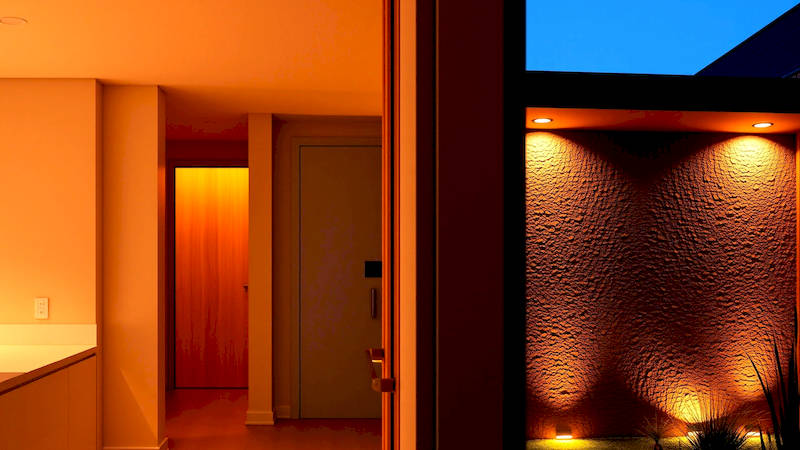
The allure of a beautifully lit outdoor space is undeniable. From enhancing curb appeal to providing security and extending usability into the evening, outdoor lighting transforms our homes and lifestyles. However, traditional outdoor lighting can represent a significant drain on household energy consumption and, consequently, your electricity bills. Fortunately, a compelling and increasingly affordable alternative has emerged: solar-powered outdoor lighting. Driven by advancements in solar technology and a growing commitment to sustainability, solar lighting is no longer a niche product. It's a practical, efficient, and environmentally friendly solution for homeowners looking to reduce energy costs, increase independence from the grid, and enjoy their outdoor spaces responsibly. This article will delve into the various aspects of solar-powered outdoor lighting, providing a comprehensive guide to understanding its benefits, types, installation, maintenance, and potential savings.
As energy prices continue their upward trajectory and environmental concerns gain prominence, homeowners are actively seeking ways to minimize their carbon footprint and manage household expenses. The integration of renewable energy sources into everyday life is becoming increasingly common, and solar lighting offers an accessible entry point for those new to the world of sustainable living. Beyond the financial benefits, utilizing solar power conveys a commitment to environmental responsibility, enhancing a home’s appeal to environmentally conscious buyers. Furthermore, the relative ease of installation and lack of complex wiring reduces the need for professional electrical assistance in many cases, adding to the cost savings.
- Understanding the Technology Behind Solar Outdoor Lights
- Types of Solar-Powered Outdoor Lighting
- Installation and Placement for Optimal Performance
- Maximizing Battery Life and Addressing Common Issues
- Calculating Potential Savings and Return on Investment
- Future Trends in Solar Outdoor Lighting Technology
Understanding the Technology Behind Solar Outdoor Lights
Solar-powered outdoor lights aren’t simply miniature versions of rooftop solar panels directly powering floodlights. They operate on a slightly different, and highly efficient, principle. The core of the system is the photovoltaic (PV) cell, which converts sunlight directly into electricity. This electricity isn't immediately used to power the light; instead, it's primarily used to charge a rechargeable battery, typically a lithium-ion or nickel-cadmium battery, during daylight hours. This stored energy is then utilized to power the light fixture when the sun goes down. A light sensor detects decreasing light levels, automatically triggering the light to turn on, and initiating the discharge of the battery.
Crucially, the efficiency of this conversion and storage process dictates the performance of the light. Advancements in PV cell technology, particularly the move towards monocrystalline silicon cells, have significantly increased efficiency, allowing modern solar lights to generate and store more power from the same surface area. The capacity of the battery is also vital. Larger capacity batteries will provide longer runtimes, especially during periods of reduced sunlight. Understanding these components – the PV panel, the battery, the LED light source, and the light sensor – is fundamental to assessing the quality and performance of any solar outdoor lighting fixture.
Furthermore, it's important to understand the difference between polycrystalline and monocrystalline solar panels. Monocrystalline panels are generally more efficient (around 20-22%) but also more expensive. Polycrystalline panels are less efficient (around 15-17%) but are a more budget-friendly option. For outdoor lighting, where surface area isn’t always maximized, monocrystalline panels often offer a better return on investment in terms of light output and runtime, particularly in areas with limited sunlight. According to the Solar Energy Industries Association (SEIA), the cost of solar technology has fallen dramatically over the past decade, making these options increasingly accessible.
Types of Solar-Powered Outdoor Lighting
The market for solar-powered outdoor lighting is incredibly diverse, catering to a wide range of aesthetic preferences and functional needs. Pathway lights are among the most popular choices, typically inexpensive and easy to install, providing subtle illumination along walkways and garden paths. These often utilize low-wattage LEDs and are ideal for creating a welcoming ambiance. Spotlights, on the other hand, offer a more focused beam of light, perfect for highlighting architectural features, landscaping elements, or security cameras. These generally have larger solar panels and batteries to accommodate higher power demands.
Beyond pathway lights and spotlights, a plethora of other options exists. Solar deck lights can be integrated directly into railings or deck surfaces, offering a sophisticated and ambient glow. Solar post cap lights stylishly cap off fence posts or deck posts, providing downward illumination. More robust solar floodlights are capable of mimicking the brightness of traditional hardwired floodlights, offering significant security benefits. Finally, decorative solar lights, such as string lights and garden ornaments with integrated LEDs, can add a whimsical touch to any outdoor space. Each type of light varies in brightness (measured in lumens), color temperature (measured in Kelvin), and battery capacity, so careful consideration of your needs is essential. A homeowner looking for security lighting will require significantly different specifications than someone simply wanting to illuminate a garden pathway.
Installation and Placement for Optimal Performance
Successful solar lighting implementation hinges on proper installation and placement. Unlike traditional lighting that relies on a direct power source, solar lights depend entirely on sunlight. Therefore, maximizing sun exposure is paramount. Avoid positioning lights in heavily shaded areas, such as under dense trees or on the north side of buildings (in the northern hemisphere). South-facing locations generally receive the most direct sunlight throughout the day.
The angle of the solar panel is also crucial. Ideally, the panel should be angled towards the sun to maximize energy absorption. The optimal angle varies depending on your geographic location and the time of year; typically, it needs to be adjusted seasonally. Some higher-end solar lights feature adjustable panels, allowing for fine-tuning. When installing pathway lights, ensure they are spaced appropriately to provide consistent illumination without creating harsh shadows. According to many landscape lighting professionals, a spacing of 6-8 feet is ideal for most pathways. Furthermore, consider the surrounding environment. Dust, dirt, and snow can all reduce the efficiency of solar panels, so regular cleaning is essential.
Maximizing Battery Life and Addressing Common Issues
While solar lights require minimal maintenance, understanding how to maximize battery life is crucial for long-term performance. Lithium-ion batteries, now the standard in most quality solar lights, generally offer a longer lifespan and higher energy density than older nickel-cadmium batteries. However, even lithium-ion batteries degrade over time. To extend their life, avoid overcharging or completely draining the battery. Many lights have built-in protection circuits to prevent this, but it's still a good practice to occasionally turn off the light for a day or two to allow the battery to rest.
Common issues with solar lights often relate to battery failure or reduced light output. If a light suddenly stops working, the first step is to replace the battery. If the light dims significantly over time, even after a full charge, it may indicate that the battery is nearing the end of its life or that the solar panel is not receiving sufficient sunlight. Regular cleaning of the solar panel can often resolve reduced light output issues. Another common problem is corrosion of the battery contacts, especially in humid climates. Periodically inspect and clean the contacts with a contact cleaner to ensure a good connection.
Calculating Potential Savings and Return on Investment
The primary motivator for many homeowners adopting solar lighting is the potential for cost savings. While the initial investment in solar lights may be higher than that of traditional incandescent or even LED lights, the long-term savings can be significant. Consider the average wattage of a traditional outdoor light (around 60-100 watts) and the average cost of electricity in your area (currently around $0.16 per kilowatt-hour, as of late 2023). A 60-watt light left on for 8 hours per day will consume 0.48 kilowatt-hours of energy, costing approximately $0.08 per day, or $29.20 per year.
Solar lights eliminate this recurring electricity cost. While the upfront cost of a comparable solar light might be $30-$80, the long-term savings quickly offset this expense. Furthermore, many municipalities offer rebates or tax credits for installing solar-powered lighting, further reducing the cost. The return on investment (ROI) will vary depending on the cost of the lights, the electricity rate, and the amount of sunshine in your area. However, in most cases, solar outdoor lighting will pay for itself within 2-3 years.
Future Trends in Solar Outdoor Lighting Technology
The field of solar technology is constantly evolving, and several exciting trends are poised to further enhance the performance and affordability of solar outdoor lighting. One key development is the integration of smart home technology. Many new solar lights are now equipped with Wi-Fi connectivity, allowing users to remotely control the lights, adjust brightness levels, and monitor battery status via a smartphone app. Another trend is the development of more efficient and durable solar panels, utilizing perovskite materials and other advanced technologies. Perovskite solar cells offer the potential for even higher efficiency and lower production costs compared to traditional silicon cells.
Finally, research is underway to develop more sustainable and environmentally friendly battery technologies, replacing lithium-ion batteries with alternatives such as sodium-ion or solid-state batteries. These advancements will not only improve the performance and longevity of solar lights but also reduce their environmental impact, making them an even more attractive option for environmentally conscious homeowners. “We’re seeing a real convergence of green technology and smart home automation,” notes Dr. Emily Carter, a leading researcher in renewable energy at Princeton University. “Solar lighting is at the forefront of this trend, offering a cost-effective and sustainable way to illuminate our lives.”
In conclusion, transitioning to solar-powered outdoor lighting is a smart investment that offers a compelling combination of financial savings, environmental benefits, and convenience. By understanding the technology, choosing the right types of lights for your needs, optimizing installation and placement, and practicing proper maintenance, you can significantly reduce your electricity bills, enhance your home's security, and contribute to a more sustainable future. As the technology continues to advance and prices continue to fall, solar outdoor lighting will undoubtedly become an increasingly popular choice for homeowners worldwide. Take the first step today – assess your outdoor lighting needs, research available solar options, and begin illuminating your savings.
Deja una respuesta