
Creative Ways to Use Color-Changing Smart Bulbs
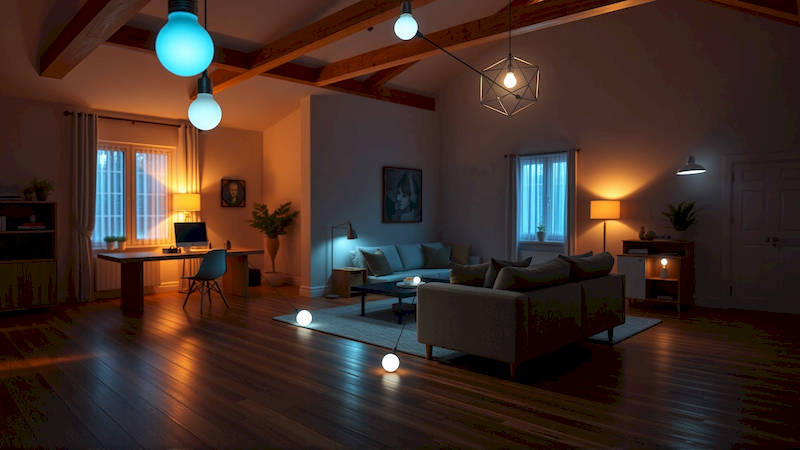
The rise of smart home technology has brought convenience and automation to numerous aspects of our lives, but few innovations are as visually transformative as color-changing smart bulbs. Beyond simply turning lights on and off with your voice, these bulbs offer an unparalleled level of customization, allowing you to paint your home with light and create truly immersive environments. What was once a novelty is rapidly becoming a staple in modern home design, impacting not just aesthetics but also mood, productivity, and even sleep patterns. This article delves deep into the creative potential of these bulbs, exploring how to harness their power for a richer, more dynamic living experience. We will move beyond basic functionality to uncover innovative techniques and practical applications that will redefine how you think about home lighting.
The appeal of color-changing smart bulbs lies in their ability to adapt to any situation. Unlike traditional lighting, which is fixed in color temperature and hue, these bulbs offer a spectrum of millions of colors, controllable via smartphone app or voice assistant. This versatility allows you to match your lighting to your mood, the season, or even the content on your television. However, simply possessing the bulbs isn't enough. It's understanding how to use them effectively that unlocks their true value. This article will guide you through a range of creative applications, from subtle mood setting to dynamic, immersive experiences, providing the knowledge you need to elevate your home lighting game.
This isn’t just about ‘pretty lights’. Research suggests a strong correlation between lighting and well-being. A study by the Lighting Research Center at Rensselaer Polytechnic Institute found that exposure to specific wavelengths of light can significantly impact circadian rhythms, affecting sleep, alertness, and overall health. Color-changing smart bulbs allow you to actively manipulate these wavelengths, potentially enhancing your quality of life. The possibilities are expanding rapidly as bulb technology improves and integration with other smart home devices becomes more seamless - even incorporating automated routines based on the time of day or sunrise/sunset.
- Setting the Mood: Beyond Simple Dimming
- Synchronizing with Entertainment: Immersive Ambient Lighting
- Enhancing Productivity: Lighting for Focus and Energy
- Creating Dynamic Ambiances for Special Occasions
- Integrating with Smart Home Ecosystems & Automation
- Troubleshooting & Considerations for Optimal Performance
Setting the Mood: Beyond Simple Dimming
Traditional dimmers adjust brightness, but color-changing bulbs can adjust atmosphere. Forget clinical white light; leveraging the full color spectrum is about creating emotional resonance. For a relaxing evening, shift towards warmer tones like amber, peach, or rose. These colors mimic the hues of a sunset and encourage the production of melatonin, promoting calmness and preparing you for sleep. Contrast this with a vibrant, energizing space achieved with cooler blues and greens, ideal for workspaces or areas where focus is paramount. The key is experimentation and observing how different colors impact your emotional state.
The art of mood lighting lies in subtlety. Instead of blasting a room with neon pink, consider using softer, diffused shades. Many smart bulb apps allow for precise color control, including saturation and brightness adjustments. Furthermore, explore “scenes” – pre-programmed color combinations – that can be easily activated with a single tap or voice command. Create a “Reading Nook” scene with warm, inviting tones, or a “Movie Night” scene with deep blues and purples to minimize glare and enhance immersion. Another powerful element is dynamic lighting – slowly shifting colors over time, creating a gentle, organic feel.
Consider the psychological impact of different colors. Red is often associated with energy and passion, but can also be overwhelming in large doses. Blue is calming and serene, but can also feel cold or detached. Green evokes nature and tranquility, while yellow is cheerful and optimistic. Understanding these associations allows you to curate lighting schemes that intentionally influence the emotional tone of a space. Many smart bulb ecosystems now offer suggested scenes based on these principles, providing a helpful starting point for experimentation.
Synchronizing with Entertainment: Immersive Ambient Lighting
One of the most compelling uses of color-changing smart bulbs is their ability to sync with your entertainment. Imagine watching a movie and having the lighting in your room dynamically shift to match the on-screen action. This goes far beyond just changing the color of the bulbs; dedicated software and integrations can analyze the video content in real-time and translate it into a corresponding lighting experience. Philips Hue Sync and other similar systems are leading the charge in this space, offering a deeply immersive and captivating viewing experience.
Setting up entertainment synchronization typically involves connecting your smart bulbs to a dedicated hub or software application. This software then captures the video signal from your television or streaming device and analyzes the colors displayed on the screen. The bulbs then adjust their color and brightness to mirror those colors, effectively extending the visuals beyond the confines of the screen. This creates a much more engaging and immersive experience, pulling you deeper into the content you are watching. The effect is particularly potent with action movies, concerts, or video games.
While dedicated systems like Philips Hue Sync offer a polished experience, DIY solutions are also possible using open-source software and custom scripts. These solutions require more technical expertise, but allow for greater flexibility and customization. Resources like IFTTT (If This Then That) can also be used to create simple integrations, such as changing bulb colors in response to notifications from your favorite streaming services. Remember to consider how the bulb placement will affect the overall effect; strategically positioned bulbs can maximize the impact of the synchronization.
Enhancing Productivity: Lighting for Focus and Energy
Color-changing smart bulbs aren’t just for relaxation and entertainment; they can also be powerful tools for boosting productivity. Studies have shown that different colors can influence cognitive performance. While individual responses vary, cool, bright light – particularly blue-enriched white light – is generally associated with increased alertness, concentration, and energy. Using smart bulbs to simulate natural daylight can be particularly beneficial, especially during the darker months or in rooms with limited natural light.
Instead of using a static bright white light all day, consider dynamically adjusting the color temperature of your bulbs throughout the day. Start with a cooler, more energizing tone in the morning to help you wake up and focus. As the day progresses, gradually shift towards warmer tones to reduce eye strain and promote relaxation. You can even automate this process using scheduled routines. Many smart bulb apps allow you to create custom schedules that adjust the color and brightness of your bulbs based on the time of day.
Beyond color temperature, consider using subtle color accents to stimulate creativity and innovation. A touch of green can promote calmness and focus, while a hint of yellow can inspire optimism and energy. Experiment with different color combinations to find what works best for your individual preferences and work style. Remember that the goal is to create a lighting environment that supports your cognitive needs and enhances your ability to concentrate and perform at your best.
Creating Dynamic Ambiances for Special Occasions
Birthdays, holidays, and other special occasions provide the perfect opportunity to showcase the full potential of your color-changing smart bulbs. Instead of relying on traditional decorations, use lighting to create a dynamic and festive ambiance. For a Halloween party, program your bulbs to pulse with spooky orange and purple hues. For Christmas, use warm whites and reds to evoke a cozy and inviting atmosphere. The possibilities are limited only by your imagination.
Many smart bulb apps offer pre-programmed effects specifically designed for holidays and events. These effects often include pulsing colors, fading gradients, and other dynamic animations. You can also customize these effects to create your own unique lighting schemes. Consider coordinating the lighting with other smart home devices, such as smart speakers, to create a synchronized audio-visual experience. For example, you could program your bulbs to flash in time with the music.
For themed parties, consider using color-changing bulbs to reinforce the overall aesthetic. For a tropical-themed party, use vibrant greens, blues, and yellows. For a masquerade ball, use deep purples, golds, and silvers. Don't be afraid to experiment with different color combinations and lighting effects to create a truly memorable experience for your guests.
Integrating with Smart Home Ecosystems & Automation
The real power of color-changing smart bulbs is unlocked when integrated with broader smart home ecosystems. Connecting your bulbs to a hub like Amazon Alexa, Google Assistant, or Apple HomeKit allows you to control them with voice commands and integrate them into automated routines. Imagine saying "Alexa, goodnight" and having all the lights in your house automatically dim and turn to a soothing warm color.
Automation goes beyond simple voice control. You can create complex routines that respond to various triggers, such as sunrise/sunset times, motion detection, or even changes in weather conditions. For example, you could program your bulbs to turn on automatically when you enter a room or to gradually brighten in the morning to simulate a natural sunrise. IFTTT offers even greater flexibility, allowing you to connect your smart bulbs to a wide range of third-party services and devices.
Consider the security implications of integrating your lighting with your smart home ecosystem. Ensure that your smart home devices are properly secured with strong passwords and updated firmware. Be mindful of the data that your devices are collecting and sharing. A well-planned and securely implemented smart home lighting system can significantly enhance your comfort, convenience, and peace of mind.
Troubleshooting & Considerations for Optimal Performance
While generally reliable, color-changing smart bulbs can occasionally experience issues. Common problems include connectivity issues, flickering, and inaccurate color rendering. Ensure your Wi-Fi network is stable and that the bulbs are within range of your hub or router. Check for firmware updates for both the bulbs and your smart home hub, as these often address known bugs and performance issues. If a bulb is flickering, try resetting it to its factory defaults and reconnecting it to your network.
Compatibility can also be a concern. Not all smart bulbs are compatible with all smart home ecosystems. Before purchasing bulbs, verify that they are compatible with your existing smart home devices and platforms. Color accuracy can vary between different brands and models. Investing in higher-quality bulbs from reputable manufacturers generally results in more accurate and vibrant color rendering. Finally, remember that these bulbs consume electricity even when turned off due to their standby power requirements; consider this when managing energy consumption.
In conclusion, color-changing smart bulbs offer a versatile and powerful way to transform your home lighting. Beyond simply adding a splash of color, they provide the ability to create immersive environments, enhance productivity, and automate your lighting system for greater convenience and efficiency. From setting the mood for a relaxing evening to synchronizing with your favorite movies, the creative possibilities are virtually limitless. By understanding the principles of color psychology, experimenting with different lighting schemes, and integrating your bulbs into a broader smart home ecosystem, you can unlock the full potential of this innovative technology and elevate your living space to a whole new level. Don’t be afraid to experiment – the best way to discover what works for you is to explore the spectrum and paint your world with light.
Deja una respuesta