
Top Materials for Low-Maintenance Outdoor Flooring
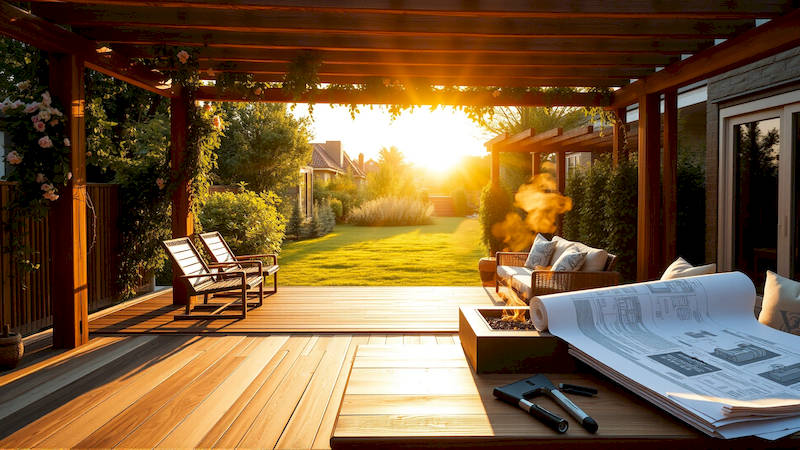
The desire for inviting and functional outdoor living spaces has surged in recent years. Homeowners are increasingly viewing their patios, decks, and walkways as extensions of their indoor living areas – spaces for relaxation, entertainment, and connection with nature. However, the enjoyment of these spaces can quickly diminish with the burden of constant maintenance. Traditional flooring options like wood often require significant upkeep, including staining, sealing, and repairs due to weather damage and wear. This has driven a demand for low-maintenance outdoor flooring materials. Choosing the right material isn’t just about aesthetics; it’s about long-term value, reduced effort, and maximizing the time you actually enjoy your outdoor haven. This article delves into the top materials available, providing a comprehensive guide to help you make an informed decision for your outdoor flooring project.
The benefits of low-maintenance flooring extend beyond simply saving time. Reduced maintenance translates to lower long-term costs, as you’ll spend less on cleaning supplies, repairs, and potential replacements. Furthermore, many of these materials are more durable and resilient than traditional options, resisting fading, staining, and structural damage. This longevity adds to the overall value of your home and provides peace of mind knowing your outdoor space will remain beautiful for years to come. Ultimately, selecting a low-maintenance floor allows you to trade chores for cherished moments in your outdoor living area.
Composite Decking: The All-Rounder
Composite decking has become remarkably popular, and for good reason. Typically made from a blend of recycled plastic and wood fibers, it offers the look of natural wood without the demanding maintenance. It resists rot, decay, insect damage, and splintering – issues that plague traditional wood decks. Early generations of composite decking sometimes lacked the natural appearance and felt less solid underfoot, but advancements in manufacturing have significantly improved its aesthetics and feel. Now, many composite boards feature realistic wood grain patterns and textured surfaces.
Crucially, maintenance for composite decking is minimal. Unlike wood, it doesn't require annual staining or sealing. A simple cleaning with soap and water typically suffices, and occasional scrubbing may be needed to remove mildew or debris. While the initial cost is generally higher than pressure-treated wood, the long-term savings in maintenance and replacement can make it a more cost-effective choice. "The lifespan of a well-maintained composite deck can easily exceed 25 years," says industry expert, David Carter of DeckBuilders.com, "making it a sustainable and economically sound investment.”
However, it's important to recognize that composite decking isn't entirely maintenance-free. While resistant to many issues, it can still be susceptible to fading over time, particularly in areas with intense sun exposure. High-quality composite decking brands offer warranties that cover fading, and choosing a board with UV inhibitors can further mitigate this risk. Also, while very durable, composite decking can be scratched by heavy objects, so care should be taken to avoid dragging sharp or abrasive items across the surface.
Porcelain Pavers: Durability and Design Flexibility
Porcelain pavers represent a significant advancement in outdoor flooring. Traditionally an indoor material, advancements in manufacturing have created porcelain pavers specifically designed to withstand outdoor conditions. These pavers are incredibly durable, frost-resistant, and non-porous, making them impervious to staining, fading, and cracking. They’re also slip-resistant, ensuring safety even when wet, and can handle heavy foot traffic and furniture with ease. The design options available are virtually limitless, with pavers available in a wide range of colors, patterns, and textures – even mimicking the look of natural stone or wood.
Installation can be achieved in a variety of ways, including dry-lay systems over gravel or sand, or set in a traditional mortar bed. The dry-lay method is particularly appealing for DIYers as it requires less specialized skill and allows for easier adjustments. A benefit of this method is that the pavers can be lifted and re-arranged or replaced relatively easily if necessary. Porcelain pavers also offer excellent thermal properties, staying relatively cool in hot weather compared to some other materials.
Despite their many advantages, porcelain pavers can be more expensive than some alternative options. Their hardness, while a benefit for durability, also means they can be more challenging to cut during installation. Using specialized diamond-tipped blades is essential for achieving clean, accurate cuts, which may require renting or purchasing specialized tools depending on the scope of your project.
Concrete Pavers: Versatility and Affordability
Concrete pavers continue to be a popular choice for outdoor flooring, recognized for their versatility, affordability, and durability. Available in a vast array of shapes, sizes, colors, and textures – from brushed finishes to cobblestone imitations – they can be used to create virtually any aesthetic. Unlike poured concrete, pavers are individually laid, which allows for greater flexibility in design and simplifies repairs. If a single paver is damaged, it can be easily removed and replaced without disturbing the entire surface.
Proper installation is vital for the longevity of concrete pavers. A solid base of compacted gravel and sand is essential to prevent settling and shifting. Sealing the pavers is also recommended, although not absolutely necessary, as it protects against staining, enhances color, and helps prevent water penetration. Sealing should be reapplied every few years. While generally low maintenance, concrete pavers can be susceptible to weed growth in the joints between them, which requires regular removal. Polymeric sand can be used in the joints to mitigate this issue, bonding the pavers together and inhibiting weed growth.
A potential drawback of concrete pavers is their susceptibility to cracking in regions with harsh freeze-thaw cycles. Using de-icing salts can exacerbate this problem, leading to surface spalling. While high-quality pavers are engineered to withstand freeze-thaw cycles, selecting pavers specifically rated for your climate and avoiding the use of de-icing salts is a prudent approach.
Brick: Classic Charm with Enduring Quality
Brick pavers offer a timeless aesthetic and impressive durability, making them an excellent choice for patios, walkways, and driveways. Manufactured from clay and fired at high temperatures, brick is exceptionally resistant to weathering, wear, and fading. The rich, warm color of brick adds character and charm to any outdoor space, and its natural texture provides good traction. Couple this with the fact that brick is highly sustainable, with many bricks being made from recycled materials.
Installation of brick pavers generally follows a similar process to concrete pavers – a compacted base of gravel and sand is essential for stability. Brick is porous, so sealing is recommended to protect against staining and moisture penetration. Like concrete pavers, brick pavers can be susceptible to weed growth in the joints, and polymeric sand can be used to minimize this issue. While brick is incredibly durable, individual bricks can occasionally crack or chip, particularly with heavy impact. However, damaged bricks can be replaced relatively easily, maintaining the overall appearance of the surface.
A common consideration with brick is its cost; it’s typically more expensive than concrete pavers. Depending on the style and source, brick can represent a substantial investment. However, the longevity and classic appeal of brick often justify the higher initial expense, offering enduring value and curb appeal.
Stone Pavers: Natural Beauty and Timeless Appeal
Natural stone pavers, including flagstone, slate, and travertine, offer a level of natural beauty and elegance unmatched by manufactured materials. Each stone is unique, with variations in color, texture, and pattern, creating a one-of-a-kind surface. Stone pavers are incredibly durable and can withstand harsh weather conditions for decades. They also hold their value well, adding a sense of permanence and sophistication to any outdoor space. Stone's natural coolness is appreciated in warmer climates.
Installation of stone pavers requires a skilled hand, as it often involves carefully fitting irregularly shaped stones together. A solid base of compacted gravel and sand is essential, and using a polymeric sand or mortar to fill the joints is recommended for stability and weed control. Sealing stone pavers can protect against staining and enhance their natural color, although it’s not always necessary. While very durable, certain types of stone, like sandstone, can be susceptible to weathering and erosion over time. Selecting a dense, durable stone like granite or slate is recommended for high-traffic areas or harsh climates.
The cost of natural stone pavers can vary significantly depending on the type of stone, its source, and its availability. Shipping costs can also be a significant factor, as stone is heavy and bulky. However, the timeless beauty and enduring quality of natural stone pavers make them a worthwhile investment for those seeking a truly exceptional outdoor flooring solution.
Rubber Pavers: Safety and Comfort Focused
Rubber pavers, often made from recycled tires, are a surprisingly versatile option prioritizing safety and comfort. They provide a cushioned surface, making them ideal for play areas, around swimming pools, or any area where slip resistance is crucial. Their inherent flexibility offers impressive shock absorption, reducing the risk of injuries from falls. These pavers are also incredibly low maintenance, requiring only occasional cleaning with soap and water.
Rubber pavers are available in a variety of colors and textures, and can be easily cut and customized to fit any space. They interlock, making installation relatively straightforward, and they allow for drainage, preventing water from pooling on the surface. While they don’t have the same aesthetic appeal as natural stone or brick, they offer a modern, functional look that complements contemporary outdoor designs.
A potential downside is that rubber pavers can get very hot in direct sunlight, particularly darker colors. Choosing lighter shades or providing shade can mitigate this issue. Also, while incredibly durable, rubber can be susceptible to damage from sharp objects or extreme temperatures.
Concluding Summary
Selecting the right flooring material for your outdoor space is a critical decision with long-term implications. While aesthetic preferences play a role, focusing on low-maintenance options ultimately delivers greater enjoyment, reduced costs, and increased value. Composite decking offers a wood-like appearance with minimal upkeep. Porcelain pavers provide unparalleled durability and design flexibility. Concrete pavers offer a balance of versatility and affordability. Brick pavers exude classic charm with timeless appeal, and stone pavers deliver natural beauty and enduring quality. Rubber pavers prioritize safety and comfort.
Ultimately, the best material depends on your specific needs, budget, and aesthetic preferences. Carefully consider the climate, traffic levels, and desired maintenance requirements before making your decision. Don't hesitate to seek professional advice and obtain samples to assess the materials firsthand. Remember to factor in installation costs, potential repairs, and long-term maintenance expenses to make a truly informed choice. By prioritizing low-maintenance flooring, you can create an outdoor living space that you will enjoy for years to come, without the endless cycle of upkeep and repair.
Deja una respuesta