
Integrating Smart Thermostats for Energy Efficiency in Older Homes
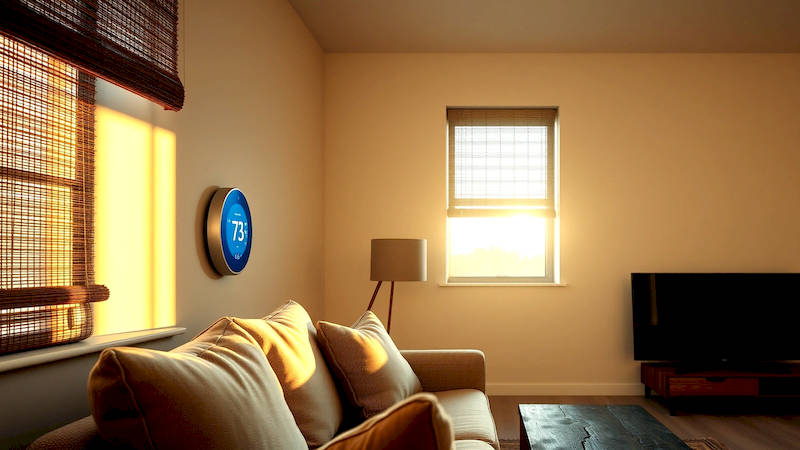
Older homes possess a unique charm and character, but often lag behind in energy efficiency compared to newer construction. A significant portion of energy loss occurs through inefficient heating and cooling systems, making older houses prime candidates for upgrades. While a full HVAC overhaul can be costly, integrating a smart thermostat offers a surprisingly impactful and relatively affordable solution. This article will delve into the intricacies of incorporating smart thermostat technology into older homes, addressing the specific challenges, maximizing benefits, and ensuring a smooth, effective implementation. We’ll explore compatibility issues, installation considerations, potential cost savings, and the broader implications for creating a genuinely smart and energy-efficient living space.
The appeal of smart thermostats extends beyond simple convenience – the ability to remotely adjust temperature via a smartphone is a definite plus, but the core benefit lies in their ability to optimize energy usage. According to the Department of Energy, homeowners can save around 10% per year on heating and cooling costs by installing a smart thermostat. In older homes, where insulation may be lacking and drafts are common, those savings can be even more substantial. This isn't just about lowering monthly bills; it's about reducing your carbon footprint and contributing to a more sustainable lifestyle. However, successfully integrating this technology into an older home requires careful planning and understanding of the unique hurdles involved.
Assessing Compatibility and Identifying Existing Systems
The first, and arguably most crucial step, is a thorough assessment of your home’s existing heating and cooling system. Many older homes still utilize systems that weren’t designed to interface with modern smart technology. Common systems found in older homes include millivolt systems (typically found with fireplaces), line voltage systems (often electric baseboard heaters), and older, conventional forced-air furnaces or air conditioners. Smart thermostats aren't universally compatible; you need to verify that the thermostat you choose supports your specific system type. A mismatched thermostat can render the device useless or, worse, damage your HVAC equipment. A detailed check of current wiring is also essential.
Understanding the wiring is paramount. Older homes may feature a limited number of wires connecting the thermostat to the HVAC system. Many smart thermostats require a “C-wire” (common wire) for power, which wasn’t standard in older installations. If a C-wire isn’t present, several solutions exist, including running a new wire (often requiring professional assistance), using a C-wire adapter (provided with some thermostats), or opting for a smart thermostat specifically designed to operate without a C-wire, albeit potentially with limited functionality. Failing to verify wiring compatibility is a common, frustrating mistake that can derail the entire project. "One of the biggest challenges we see is homeowners assuming all thermostats are created equal," says David Carlson, a certified HVAC technician with 20 years of experience. "They purchase a smart thermostat without knowing their system type or wiring configuration. It inevitably leads to headaches."
Finally, consider the age and condition of your existing HVAC equipment. While a smart thermostat can optimize performance, it can't magically fix a failing furnace or an inefficient air conditioner. If your system is nearing the end of its lifespan, investing in a new, more efficient HVAC system alongside a smart thermostat might yield a greater return on investment in the long run. It's a holistic approach to energy efficiency, rather than simply masking the symptoms of an underlying problem.
Overcoming Wiring Challenges in Older Homes
As mentioned previously, lacking a C-wire is a common struggle when retrofitting smart thermostats into older homes. Several solutions address this issue, catering to varying levels of DIY proficiency and budget. The simplest option is choosing a smart thermostat model specifically designed to function without a C-wire. These thermostats draw power from brief fluctuations in voltage during the call for heating or cooling, which works for many systems but might have limitations in responsiveness or feature availability. For instance, some advanced features like continuous fan operation might be unavailable without a constant power source.
For those comfortable with basic electrical work, installing a C-wire adapter is a viable option. These adapters repurpose existing wires to provide the necessary power connection. While relatively straightforward for experienced DIYers, it does involve working with electrical wiring, so caution and adherence to safety guidelines are crucial. Alternatively, professionally running a new C-wire is the most reliable solution but also the most expensive and disruptive, often requiring opening walls and potentially hiring an electrician. The cost of professional installation can range from $100 to $300, depending on the complexity of the wiring run. Weighing the cost of professional installation against the potential benefits of full functionality is an important consideration.
Understanding the voltage of your existing system is also vital. Line voltage systems, common with electric baseboard heaters, require thermostats specifically designed for 240V or 120V operation, distinct from the low-voltage systems used with furnaces and air conditioners. Using the wrong type of thermostat can be incredibly dangerous and could lead to fire hazards.
Installation and Configuration Considerations
Proper installation is critical for maximizing the benefits of a smart thermostat. Before starting, always turn off the power to your HVAC system at the breaker box to ensure safety. Carefully document the existing wiring configuration before disconnecting the old thermostat – taking photos is highly recommended. This documentation will serve as a crucial reference during the installation of the new device. Follow the manufacturer’s instructions meticulously, as wiring configurations vary between models. Many smart thermostat manufacturers offer detailed online resources, including video tutorials and troubleshooting guides.
Configuration goes beyond simply connecting the wires. Smart thermostats require connection to your home’s Wi-Fi network and often involve integrating with a smartphone app. This allows for remote control, scheduling, and data analysis. During setup, accurately enter information about your home’s heating and cooling system, including the type of fuel used, the number of heating/cooling stages, and the configuration of your ductwork. This data enables the thermostat to optimize its performance and provide accurate energy usage reports. Take the time to explore the advanced settings, such as geofencing (automatically adjusting temperature based on your location) and learning features (the thermostat learns your preferences over time).
Furthermore, consider upgrading your home’s Wi-Fi network if necessary. A stable and reliable Wi-Fi connection is essential for the thermostat to function flawlessly.
Maximizing Energy Savings Through Smart Features
Beyond basic remote control, smart thermostats offer a suite of features designed to optimize energy consumption. Scheduling is perhaps the most impactful. Program your thermostat to automatically lower the temperature when you’re away from home or asleep, and raise it before you return or wake up. This simple step can result in significant energy savings. Geofencing utilizes your smartphone’s location to detect when you’re leaving or approaching home, automatically adjusting the temperature accordingly. Some thermostats offer “smart away” modes which detect occupancy patterns and automatically adjust temperature even without a programmed schedule.
Learning thermostats go a step further by actively learning your heating and cooling preferences over time. They analyze your manual adjustments and gradually optimize the schedule to minimize energy usage while maintaining your comfort. Another often-overlooked feature is the ability to integrate with other smart home devices. For example, pairing your smart thermostat with smart window sensors can allow the system to automatically adjust the temperature if a window is left open. Integrating with voice assistants like Amazon Alexa or Google Assistant allows for hands-free control and convenient access to temperature settings. Regularly reviewing the energy usage data provided by the thermostat can also help identify opportunities for further optimization.
Addressing Potential Concerns and Troubleshooting
While generally reliable, smart thermostats can occasionally encounter issues. Common problems include connectivity issues, inaccurate temperature readings, and compatibility conflicts. A weak Wi-Fi signal is often the culprit behind connectivity problems. Consider relocating your router or adding a Wi-Fi extender to improve signal strength in the area where the thermostat is installed. Inaccurate temperature readings can be caused by improper placement – avoid locating the thermostat near direct sunlight, drafts, or heat sources.
If the thermostat isn’t responding to commands, check the batteries (if applicable) and ensure the wiring is secure. Consult the manufacturer's website for troubleshooting guides and FAQs. May smart thermostat providers offer excellent customer support. In some instances, a hard reset of the thermostat might be necessary. If you're uncomfortable troubleshooting the issue yourself, don’t hesitate to contact a qualified HVAC technician. It’s always better to err on the side of caution when dealing with electrical and mechanical systems.
Conclusion: A Smart Investment for Older Homes
Integrating a smart thermostat into an older home is a practical and impactful investment in energy efficiency, comfort, and long-term cost savings. While challenges related to wiring compatibility and system integration do exist, they are readily overcome with careful planning, a thorough understanding of your existing HVAC setup, and potentially, professional assistance. The benefits – lower energy bills, reduced carbon footprint, and enhanced home comfort – far outweigh the initial investment and installation effort.
The key takeaways are to meticulously assess your system, choose a compatible thermostat, follow installation instructions precisely, leverage the advanced features offered, and proactively troubleshoot any issues that arise. Don't simply view a smart thermostat as a gadget; consider it a component of a holistic approach to home energy management. By embracing this technology, you can breathe new life into your older home, making it more comfortable, sustainable, and prepared for the future. Your next steps should include researching available smart thermostat models, evaluating your home’s wiring situation, and potentially consulting with an HVAC professional to determine the optimal solution for your specific needs.
Deja una respuesta