
Integrating Passive Solar Design in Home Renovations
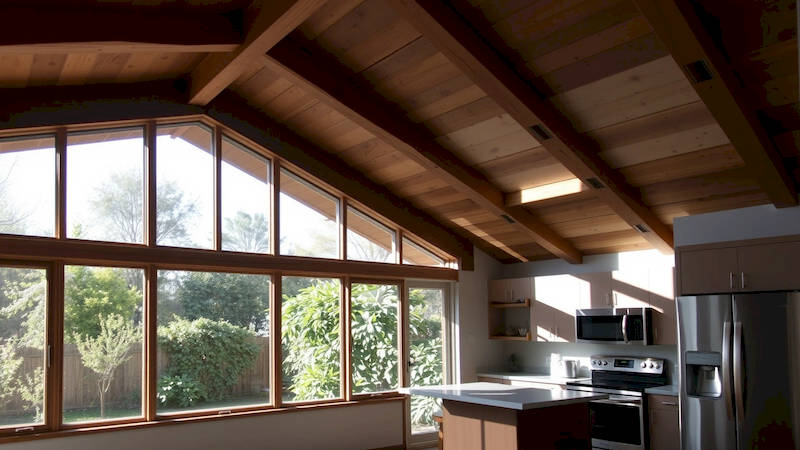
The desire for sustainable living and reduced energy costs is driving a surge in interest in energy-efficient home improvements. While many focus on active systems like solar panels, a powerful and often underutilized strategy lies in harnessing the sun’s energy through passive solar design. This approach isn’t about technology; it's about strategically using the building’s form, materials, and orientation to maximize solar gain in the winter and minimize it in the summer, significantly reducing reliance on mechanical heating and cooling. Integrating passive solar strategies into a home renovation can dramatically lower your carbon footprint and energy bills while increasing comfort and creating a healthier indoor environment.
This article delves into the crucial considerations for integrating passive solar design into existing home renovations. It’s important to understand that retrofitting for passive solar isn’t as straightforward as designing a new home with these principles in mind, but even incremental changes can yield substantial benefits. We’ll explore the core principles, practical applications, potential challenges, and specific methods to implement passive solar strategies within the scope of a renovation project, looking beyond simply adding south-facing windows. The goal is to provide homeowners and renovators with a thorough understanding of how to work with the sun, transforming existing structures into more energy-efficient and comfortable homes.
- Understanding the Core Principles of Passive Solar Design
- Site Orientation and Fenestration – Re-evaluating Window Placement
- Thermal Mass: Utilizing Existing Materials and Adding More
- Controlling Heat Gain and Loss: Essential Renovations
- Integrating Passive Solar With Other Energy Efficiency Measures
- Conclusion: Embracing the Sun’s Potential
Understanding the Core Principles of Passive Solar Design
At the heart of passive solar design are five key elements: collection, storage, distribution, control, and conservation. Collection refers to maximizing the amount of sunlight entering the home during the heating season. This is primarily achieved through appropriately sized and positioned windows, ideally facing south (in the Northern Hemisphere) to capture the low winter sun. Storage focuses on materials that absorb and retain heat, such as concrete, brick, stone, or even water containers. These “thermal mass” elements slowly release the stored heat, moderating temperature fluctuations. Distribution involves the natural circulation of heat throughout the space – convection, conduction, and radiation all play a role. Control mechanisms, like overhangs, shades, and vents, prevent overheating in the summer by blocking sunlight when it’s high in the sky. Lastly, conservation is about minimizing heat loss through insulation, airtight construction, and efficient windows.
These elements aren’t independent; they work in synergy. A large south-facing window (collection) is useless without a thermal mass to store the heat and prevent rapid temperature swings. Similarly, effective control mechanisms are essential to prevent summertime overheating, rendering the entire system ineffective. Understanding this interplay is crucial for successful integration. According to the U.S. Department of Energy, well-designed passive solar systems can reduce heating and cooling costs by as much as 50%. However, this figure is heavily dependent on climate, design execution, and the home’s existing characteristics.
Successful implementation requires a holistic approach, considering the specific climate and microclimate surrounding the home. The angle of the sun changes throughout the year, and a design optimized for winter sun must also account for preventing excessive gain during summer months. Tools like sun angle calculators and shading analysis software can be invaluable to accurately assess solar availability and predict performance.
Site Orientation and Fenestration – Re-evaluating Window Placement
One of the most impactful aspects of passive solar design is strategic window placement, but retrofitting this into an existing structure presents unique challenges. Ideally, the longest side of the house should face south to maximize solar exposure. This isn't always possible, but even modifying existing windows can make a difference. Increasing the size of south-facing windows is generally beneficial, allowing more sunlight to enter, but it requires careful consideration of potential overheating. Furthermore, the glass type is critical. Low-E (low-emissivity) coatings minimize heat transfer, keeping heat in during winter and out during summer. Double or triple-pane windows further enhance insulation.
However, simply adding large south-facing windows isn't enough. What’s on the outside of those windows also matters. Deciduous trees planted strategically can provide shade in the summer when their leaves are full, and allow sunlight through in the winter after they’ve fallen. Existing landscaping may need to be carefully pruned or supplemented. Alternatively, properly designed overhangs or awnings can achieve a similar effect. The height and depth of these features must be calculated based on the specific latitude and sun angles. In some cases, adjusting the orientation of additions to a home can improve passive solar performance, but this is a more significant undertaking.
Thermal Mass: Utilizing Existing Materials and Adding More
Thermal mass is the cornerstone of passive solar heating, absorbing and storing solar energy during the day and releasing it slowly at night. Retrofitting for thermal mass often involves leveraging existing materials whenever possible. Concrete slab foundations are excellent thermal mass, as are brick or stone walls. However, if these aren’t present, adding thermal mass can be achieved through several strategies. Incorporating a dark-colored tile or brick floor in a sun-exposed room is a common approach. Alternatively, water-filled containers (like dark-painted barrels) can be used, although these are less aesthetically pleasing.
The key is ensuring direct sunlight hits the thermal mass. It’s not about simply adding a heavy material; it needs to be able to absorb and retain solar energy. The amount of thermal mass required depends on the climate and the size of the exposed windows. Too little thermal mass won't effectively moderate temperature swings, while too much can create a damp, uncomfortable environment. "A common rule of thumb," explains architect Sarah Susanka in her book The Not So Big House, "is to have at least 6 square feet of thermal mass for every square foot of south-facing glass." This provides a useful starting point for calculations.
Controlling Heat Gain and Loss: Essential Renovations
Beyond maximizing solar gain, controlling heat flow is critical. This involves addressing both heat loss in the winter and heat gain in the summer. Proper insulation is paramount – upgrading attic insulation, insulating walls, and sealing air leaks are the most impactful steps. Air leaks account for a significant portion of energy loss, so addressing gaps around windows, doors, and penetrations in the building envelope is crucial. High-performance windows with low U-factors (a measure of heat transfer) are also essential.
Controlling summer heat gain requires thoughtful design elements. Overhangs, as previously mentioned, are a highly effective solution. Exterior shading devices, such as shutters or awnings, provide additional control. Strategic landscaping with deciduous trees can also provide valuable shade. Additionally, consider installing light-colored roofing materials, which reflect more sunlight and reduce heat absorption. Implementing whole-house ventilation strategies, such as operable windows and ceiling fans, can help to exhaust warm air and keep the home cooler, reducing reliance on air conditioning.
Integrating Passive Solar With Other Energy Efficiency Measures
Passive solar design isn’t a standalone solution; it works best when integrated with other energy efficiency measures. Combining passive solar strategies with high-efficiency appliances, LED lighting, and a smart thermostat can further reduce energy consumption. Investing in a home energy audit is a valuable first step, identifying areas of energy loss and recommending specific improvements. Air sealing and insulation improvements should be prioritized, as they have the largest impact on energy bills.
Furthermore, consider the impact of the home’s overall thermal envelope. A leaky and poorly insulated home will quickly negate the benefits of passive solar design. Similarly, ensuring proper ventilation is crucial to maintain indoor air quality. In some cases, adding a heat recovery ventilator (HRV) or energy recovery ventilator (ERV) can help to provide fresh air while minimizing heat loss. Finally, remember that even small changes, such as switching to energy-efficient curtains or blinds, can contribute to overall energy savings.
Conclusion: Embracing the Sun’s Potential
Integrating passive solar design into home renovations requires a thoughtful and holistic approach. It’s not simply about adding south-facing windows; it’s about understanding the interplay between collection, storage, distribution, control, and conservation. While retrofitting for passive solar presents challenges, even incremental changes can yield significant benefits in terms of reduced energy costs, increased comfort, and a smaller carbon footprint. Prioritizing insulation, air sealing, strategic window placement, and thermal mass are key steps.
Remember to consider your local climate and microclimate when planning your renovation. Utilizing tools like sun angle calculators and seeking advice from a qualified energy consultant can ensure optimal performance. By embracing the sun’s potential and integrating passive solar principles, you can transform your home into a more sustainable, comfortable, and energy-efficient living space. The initial investment in planning and renovation will be repaid over time through lower energy bills and a healthier, more resilient home.
Deja una respuesta