
Creating a Stylish Pantry Organization System During Remodeling
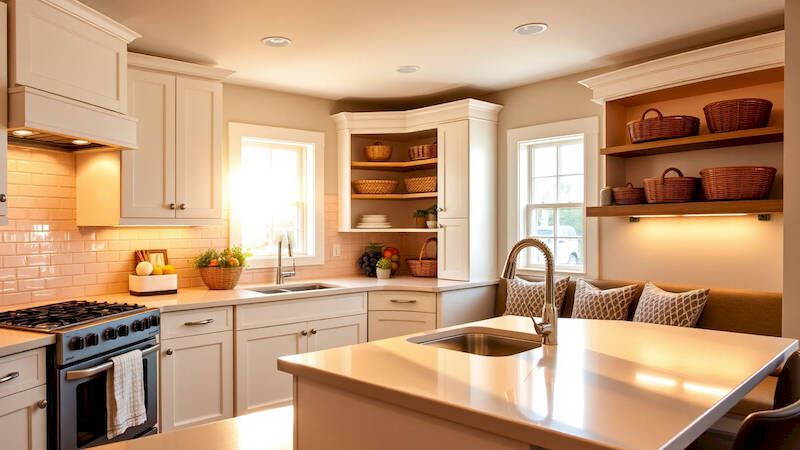
The kitchen, often considered the heart of the home, sees more action than almost any other room. And within that bustling hub, the pantry – frequently relegated to an afterthought – plays a critical role. During a kitchen remodel, it’s the perfect opportunity to not just update the aesthetic, but to fundamentally rethink pantry organization, transforming it from a chaotic catch-all into a beautifully efficient space. Beyond simply maximizing storage, a well-designed pantry significantly reduces food waste, saves time, and contributes to a calmer, more enjoyable cooking experience. Ignoring pantry organization during a remodel is a missed opportunity, often leading to the same frustrating issues post-renovation.
This article will delve into the process of creating a stylish and functional pantry during kitchen remodeling, exploring design considerations, essential features, practical organization strategies, and the latest trends. We'll look beyond basic shelving, examining innovative solutions for different pantry sizes and lifestyles, ultimately helping you build a pantry that truly enhances your kitchen and simplifies your life. A successful pantry remodel isn’t about aesthetics alone; it’s about building a system that works for you, not against you.
Assessing Your Pantry Needs & Space
Before even considering paint colors or container styles, a thorough assessment of your needs is paramount. This involves honestly evaluating your current pantry habits – what works, what doesn’t – and projecting future requirements. Consider the number of people you’re cooking for, your typical grocery shopping frequency, the types of foods you store, and whether you're an avid bulk buyer. Do you need dedicated space for small appliances? Baking supplies? Pet food? These questions will inform every subsequent design decision. Failing to assess needs upfront leads to compromises and functionality issues down the line.
The existing space itself must also be carefully evaluated. Measure the dimensions accurately, noting the height, width, and depth. Consider any existing obstacles like plumbing or electrical outlets. Is it a walk-in pantry, a pull-out system, or simply cabinets? The layout of the surrounding kitchen also plays a role – how easily can you access the pantry from different work zones? "Many homeowners vastly underestimate the storage capacity they actually require," notes interior designer Sarah Miller, author of The Organized Home. "A detailed inventory of current pantry contents is a fantastic starting point." This exercise will help dictate shelving needs and even the type of door to use (swing, sliding, barn door) for optimal access.
Finally, think about your budgetary constraints. Pantry organization systems range from DIY solutions to high-end custom designs. Establishing a realistic budget early on prevents overspending and ensures you allocate resources effectively. An initial evaluation that accounts for use, space, and budget is the foundation of a successful pantry redesign.
Designing the Layout: Maximizing Every Inch
Once needs and space have been assessed, the focus shifts to layout. The goal is maximizing storage capacity while ensuring accessibility. Adjustable shelving is a non-negotiable – the ability to customize shelf height allows you to accommodate items of various sizes, preventing wasted vertical space. Varying shelf depths are also beneficial; deeper shelves for larger items like cereal boxes and shallower shelves for spices and canned goods. A “first in, first out” approach should guide the design, with easily accessible locations for items that need to be used soonest.
Consider incorporating pull-out drawers or shelves, especially in deeper pantries. These eliminate the need to reach into the back, making items easily visible and usable. Corner pantries often pose a challenge, but lazy Susans or specialized corner pull-outs can transform dead space into valuable storage. Vertical dividers are also invaluable, keeping baking sheets, cutting boards, and platters organized and preventing them from toppling over. For walk-in pantries, think about adding a small step stool to reach higher shelves safely and comfortably. Creating distinct zones – baking, snacks, dry goods, etc. – will streamline locating items and encourage consistent organization.
Don't underestimate the power of door storage. Over-the-door organizers can house spices, condiments, or cleaning supplies, freeing up valuable shelf space. Thoughtful layout design is about more than just aesthetics; it's about creating a workflow that makes cooking and meal preparation effortless.
Choosing the Right Storage Containers & Materials
The type of storage containers you choose significantly impacts both the functionality and aesthetics of your pantry. Clear containers are generally preferred, allowing you to easily identify contents at a glance. Airtight containers are crucial for preserving freshness and preventing pests. A consistent container style – whether it’s glass, plastic, or metal – creates a cohesive and visually appealing look. Consider investing in stackable containers to maximize vertical space.
Beyond containers, the materials used for shelving and other pantry components deserve careful consideration. Wood is a classic choice, offering warmth and durability. However, it can be susceptible to moisture and pests. Metal shelving is a more robust option, particularly for heavy items. Wire shelving is affordable and allows for good ventilation but may not be the most aesthetically pleasing. Laminate is a cost-effective alternative that offers a clean and modern look. When selecting materials, prioritize durability, ease of cleaning, and compatibility with the overall kitchen design.
Finally, think about labeling. Clear, consistent labels are essential for maintaining organization. Consider using a label maker for a professional look, or choose attractive chalkboard labels for a more rustic aesthetic. Regular relabeling as contents change is key to preventing confusion and maintaining a well-organized pantry.
Incorporating Lighting & Accessibility Features
Adequate lighting is often overlooked but is critical for a functional pantry. Poor lighting makes it difficult to locate items and can lead to wasted food. Consider installing under-cabinet lighting or recessed lighting within the pantry itself. LED lights are energy-efficient and provide bright, clear illumination. Motion-sensor lighting can be particularly convenient, automatically illuminating the pantry when you open the door.
Accessibility is another crucial factor, especially for individuals with mobility limitations. Adjustable shelving, pull-out drawers, and strategically placed lighting can make the pantry more user-friendly for everyone. Consider lowering some shelves to make frequently used items easily accessible. If space allows, incorporate a small seating area for unloading groceries or planning meals.
For walk-in pantries, consider adding a counter or workstation for food preparation. This can create a dedicated space for tasks like packing lunches or assembling snacks. Thoughtful consideration of lighting and accessibility transforms the pantry from a mere storage space into a functional and enjoyable part of the kitchen.
Implementing a Maintenance & Organization System
A beautifully organized pantry is only effective if you maintain it. This requires establishing a regular cleaning and reorganization schedule. A weekly quick-sweep to remove crumbs and expired items will prevent clutter from accumulating. A monthly deep-clean, involving wiping down shelves and reorganizing contents, is also essential. As previously mentioned, adopt the “first in, first out” rule when restocking groceries, rotating older items to the front of the shelf.
Consider establishing dedicated zones for different food categories and consistently returning items to their designated locations. Encourage all members of the household to participate in maintaining the pantry’s organization. A designated “pantry manager” can oversee the system and ensure everyone follows the established guidelines.
Technology can also be helpful. Apps like Out of Milk or AnyList can help you create grocery lists, track pantry inventory, and receive reminders about expiring items. Developing a consistent maintenance routine is the key to sustaining a stylish and functional pantry long after the remodeling is complete.
Conclusion: A Pantry Designed For Life
Remodeling your kitchen offers an indispensable opportunity to re-evaluate and reinvent your pantry. It’s not simply about adding shelves; it’s about creating a system thoughtfully tailored to your needs, lifestyle, and kitchen’s layout. From assessing your needs and maximizing space through intelligent layout designs, to choosing the right containers and prioritizing accessibility, every decision contributes to the overall functionality and aesthetic of this essential space.
The key takeaways are clear: prioritize planning, invest in quality materials, and establish a consistent maintenance routine. Don't underestimate the power of lighting and clear labeling. By taking the time to invest in pantry organization during a remodel, you'll significantly reduce food waste, save time, and cultivate a calmer, more efficient cooking environment. The result isn’t just a beautifully organized pantry; it’s a contribution to a more enjoyable and functional home life – a space designed not just for storage, but for living.
Deja una respuesta