
Step-by-Step Guide to Installing a Kitchen Backsplash on a Budget
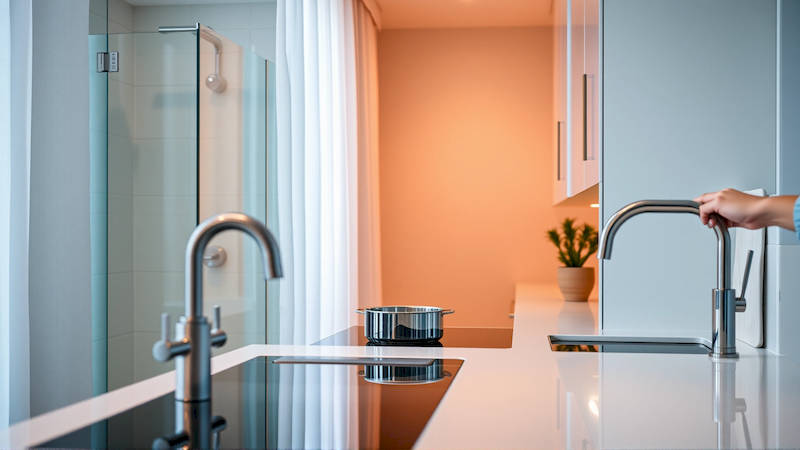
The kitchen – often considered the heart of the home – is a space where memories are made, meals are shared, and life unfolds. A fresh, updated kitchen can dramatically improve your enjoyment of this essential room, and surprisingly, a significant visual impact doesn’t always require a complete overhaul. One of the most effective and relatively affordable upgrades is installing a new backsplash. Beyond aesthetics, a backsplash serves a crucial functional purpose: protecting your walls from splashes, spills, and the general wear and tear that comes with cooking. But the thought of tackling a tiling project can be intimidating.
This guide aims to demystify the process, empowering you to install a beautiful and durable kitchen backsplash yourself, even on a tight budget. We’ll walk you through everything from choosing materials to mastering the installation techniques, focusing on cost-effective solutions without sacrificing quality or style. According to a recent Houzz study, kitchen remodels with a backsplash upgrade see an average return on investment of around 70-80%, making it a smart choice for both enjoyment and home value. Many homeowners are surprised by how much the task is within their skillset, and the sense of accomplishment associated with a DIY project is an added benefit.
- Planning & Preparation: Laying the Groundwork for Success
- Selecting Affordable Backsplash Materials: Style Without the Splurge
- Mastering the Art of Tile Adhesion: A Step-by-Step Approach
- Grouting & Sealing: Finishing Touches for a Durable Backsplash
- Dealing with Common Challenges & Troubleshooting Tips
- Beyond the Basics: Adding Personal Touches and Utilizing Leftovers
- Conclusion: Bringing Your Kitchen Vision to Life
Planning & Preparation: Laying the Groundwork for Success
Before you even think about opening a box of tiles, meticulous planning and preparation are paramount. This stage isn't just about gathering materials; it's about preventing costly mistakes and ensuring a professional-looking finish. Begin by precisely measuring the area where the backsplash will be installed. Don’t just measure the length and height; account for outlets, windows, and any other obstructions. Add 10-15% to your total measurement for cuts and potential errors – it's always better to have a little extra than to come up short. This step will directly inform how much tile, adhesive, and grout you’ll need.
Next, carefully consider your design and tile layout. Simple patterns like horizontal stacking are easiest for beginners, while more intricate designs will require more planning and precision. Sketch out your layout on paper, visualizing how the tiles will align with cabinets and countertops. Consider using painter's tape to mock up the tile arrangement directly on the wall, providing a visual representation of the final look. Finally, assess the existing wall surface. It must be clean, dry, and level. Patch any holes or cracks with spackle, sand smooth, and prime the surface with a quality bonding primer. A smooth, primed surface ensures proper adhesion of the tile adhesive.
Selecting Affordable Backsplash Materials: Style Without the Splurge
One of the biggest myths surrounding kitchen backsplashes is that you need to spend a fortune on materials. Fortunately, this isn’t true! A wide array of budget-friendly options can deliver a stunning look. Ceramic tile remains a popular choice due to its affordability, durability, and ease of installation. Explore options like subway tile, mosaic tiles (often available in sheets for easier application), and patterned ceramic tiles. Peel-and-stick backsplash tiles are an increasingly popular option, specifically for renters or those who prefer a truly DIY installation with minimal mess. However, be cautious with peel-and-stick; ensure a high-quality product for longevity.
Beyond tile, consider alternative materials. Beadboard, painted or wallpapered, can create a charming, farmhouse-style backsplash at a fraction of the cost of tile. Stainless steel “lookalike” sheets offer a modern aesthetic without the expense of genuine stainless steel. According to industry reports, the average cost of ceramic tile ranges from $3 to $10 per square foot, while peel-and-stick options typically fall between $5 and $15 per square foot. Don’t underestimate the power of shopping around at discount home improvement stores and online retailers for the best deals. Remember to factor in the cost of adhesive, grout, sealant, and any necessary tools when calculating your overall budget.
Mastering the Art of Tile Adhesion: A Step-by-Step Approach
Once you've got your materials, it's time for installation. Begin by applying tile adhesive (also known as thin-set mortar) to a small section of the wall using a notched trowel. The size of the notch on the trowel depends on the size of your tile; consult the adhesive manufacturer's instructions for guidance. Spread the adhesive evenly, creating ridges that will help the tile grip securely. Don’t apply adhesive to a large area at once, as it can dry out before you have a chance to apply the tiles.
Now, carefully press each tile into the adhesive, applying gentle but firm pressure. Use tile spacers to maintain consistent grout lines. These small plastic pieces are essential for achieving a neat, professional appearance. Use a level to ensure that each tile is perfectly aligned. For cuts around outlets, windows, or corners, you’ll need a tile cutter. A manual snap cutter is sufficient for most ceramic tiles, while a wet saw is recommended for harder materials like porcelain or stone. Regularly wipe away any excess adhesive that squeezes up between the tiles to avoid a messy cleanup later. Let the adhesive dry completely, typically for 24-48 hours, before proceeding to the next step.
Grouting & Sealing: Finishing Touches for a Durable Backsplash
Grouting is the process of filling the spaces between the tiles with a cement-based mixture. This not only improves the aesthetic appearance but also prevents water from seeping behind the tiles, which could cause mold and mildew growth. Choose a grout color that complements your tiles and countertop. Apply the grout using a grout float, pressing it firmly into the grout lines at a 45-degree angle. Work in small sections at a time.
After about 15-30 minutes, when the grout has begun to firm up, use a damp sponge to wipe away the excess grout from the tile surfaces. Rinse the sponge frequently in clean water. Multiple passes may be required to remove all traces of grout haze. Once the grout is completely dry (typically 24-72 hours), apply a grout sealant to protect it from stains and moisture. This is particularly important in areas prone to splashes, like around the stove and sink. Finally, caulk the perimeter of the backsplash where it meets the countertop and cabinets to create a watertight seal.
Dealing with Common Challenges & Troubleshooting Tips
Even with careful planning, you might encounter some challenges during the installation process. One common issue is tiles lifting or becoming loose. This is usually caused by inadequate adhesive application, an uneven wall surface, or using the wrong type of adhesive for the tile. If this happens, carefully remove the loose tile, reapply adhesive, and re-install it. Another challenge is cracking tiles during cutting. To minimize this risk, use a sharp tile cutter and apply steady, even pressure.
Uneven grout lines can be corrected by carefully scraping away excess grout with a utility knife or grout saw before it fully dries. And, if you make a mistake with the tile layout, don’t panic! Carefully remove the incorrectly placed tiles and replace them with new ones. Remember, patience and attention to detail are key to achieving a professional-looking result. "Don't rush the process," advises seasoned contractor, Mark Henderson. "Taking your time to ensure each step is done correctly will save you headaches – and money – in the long run."
Beyond the Basics: Adding Personal Touches and Utilizing Leftovers
Once your backsplash is complete, take the opportunity to add personalized touches that reflect your style. Incorporate decorative tile accents, such as mosaic borders or accent tiles. Consider adding a small shelf or two to display plants or kitchen accessories. Don’t discard leftover tiles! These can be used for small repairs or to create coordinating coasters or trivets.
Repurposing materials is both eco-friendly and cost-effective. Leftover grout can be used to fill small cracks or holes in other areas of the kitchen. Finally, remember that proper cleaning and maintenance will help to keep your backsplash looking its best for years to come. Regular cleaning with a mild detergent and water will prevent buildup of grease and grime.
Conclusion: Bringing Your Kitchen Vision to Life
Installing a kitchen backsplash may seem daunting, but with careful planning, the right materials, and a little bit of elbow grease, it’s a highly achievable DIY project that can dramatically enhance the beauty and functionality of your kitchen. By focusing on budget-friendly materials and following these step-by-step instructions, you can create a stunning backsplash that adds value to your home without breaking the bank. Remember to prioritize preparation, take your time with each step, and don’t be afraid to seek help if you get stuck.
The key takeaways are: thorough planning and measuring are essential; affordable material options abound; proper adhesive and grout application are critical for durability; and small details can make a big difference. So, arm yourself with these insights, gather your tools, and embark on your kitchen transformation journey! Your updated kitchen, and your wallet, will thank you.
Deja una respuesta