
Easy Landscaping Ideas to Boost Home Energy Efficiency
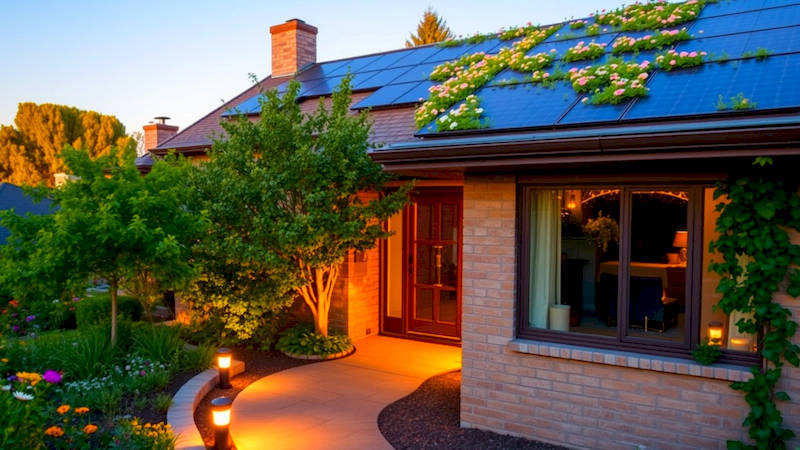
The connection between our homes and the environment is becoming increasingly clear. As energy costs rise and awareness of climate change grows, homeowners are actively seeking ways to reduce their carbon footprint and lower utility bills. While many energy-efficient home improvements focus on insulation, windows, and HVAC systems, often overlooked is the significant impact landscaping can have. Strategic landscaping isn’t simply about aesthetics; it’s a powerful, often cost-effective tool for regulating temperature, reducing energy consumption, and creating a more sustainable living environment. Thoughtful plant selection and placement can dramatically alter your home’s microclimate, saving you money and enhancing your comfort year-round.
Beyond direct energy savings, energy-efficient landscaping provides a host of other benefits. These include improved air quality, reduced stormwater runoff, increased property value, and enhanced biodiversity. It’s a win-win situation – benefiting both your wallet and the planet. The principles behind this approach, often referred to as “sustainable landscaping” or “energy-wise landscaping," are rooted in understanding how natural elements interact with your home's structure and internal climate control systems. It’s about working with nature, rather than against it to achieve comfortable and efficient living.
This article will outline several easily implemented landscaping ideas, providing detailed explanations and practical advice to help you transform your outdoor space into an energy-saving asset. We’ll delve into tree placement, vine strategies, windbreaks, ground cover choices, and even rainwater harvesting, equipping you with the knowledge to make informed decisions for a more sustainable and comfortable home.
The Power of Trees: Strategic Shading and Cooling
Trees are arguably the most impactful element in energy-efficient landscaping. Their ability to provide shade can significantly reduce the amount of direct sunlight hitting your home, especially during the hottest months. This, in turn, lowers your reliance on air conditioning, leading to substantial energy savings. The Department of Energy estimates that trees can lower air conditioning costs by up to 30% by shading the east and west sides of your home. However, placement is crucial. Deciduous trees, which lose their leaves in the fall, are generally preferred for shading south-facing walls. They provide shade during the summer, reducing cooling costs, and allow sunlight to reach your home during the winter, contributing to passive solar heating.
When selecting trees, consider their mature size and growth habits. Avoid planting large trees directly under power lines or too close to your foundation. A good rule of thumb is to plant trees far enough away from your home that their mature canopy won't overhang the roof. Furthermore, different tree species offer varying degrees of shade. Dense-canopied trees like maples and oaks are excellent for providing deep shade, while more open-branched trees like elms allow some sunlight to filter through. Consider the local climate and soil conditions to choose species well-suited to your region, ensuring their long-term health and effectiveness.
Beyond shading, trees also transpire water, a process that cools the surrounding air. This evapotranspiration effect can create a localized cooling zone around your home, further reducing the need for air conditioning. Planting trees strategically around air conditioning units can also improve their efficiency by providing shade and preventing them from overheating. This simple tactic can further extend the life of the unit, saving you money on repairs and replacement.
Utilizing Vines for Natural Insulation and Shade
Vining plants offer a unique and aesthetically pleasing opportunity to improve home energy efficiency. By growing vines on trellises or directly on walls (with appropriate considerations for the building material), you can create a living wall that provides natural insulation and shade. This is particularly effective for western or eastern facing walls, which receive intense afternoon or morning sun. The vines act as a barrier, reducing the amount of heat transferred into your home during the summer and providing an extra layer of insulation during the winter months.
However, it’s crucial to choose the right type of vines. Avoid aggressive vines like wisteria or English ivy, which can damage building materials and foundations. Instead, opt for less invasive options like climbing hydrangea, Virginia creeper (parthenocissus quinquefolia), or clematis. These vines are less likely to cause structural damage and can be easily managed. Proper installation of a trellis or support system is essential to ensure the vines don’t directly contact the wall, allowing for air circulation and preventing moisture buildup.
Furthermore, consider the impact of vines on window coverage. While vines can provide shade, it's important to ensure they don't completely block natural light, impacting your home's interior lighting and potentially contributing to increased energy use for artificial lighting. Regular pruning and maintenance are vital to keep the vines healthy and prevent them from becoming overgrown, ensuring their continued effectiveness as an energy-saving feature. A study by Pacific Gas and Electric Company showed that strategically placed vines on exterior walls can reduce summer cooling energy consumption by up to 20%.
Creating Windbreaks for Winter Warmth
Wind can significantly increase heat loss during the winter months. A well-designed windbreak, consisting of trees or shrubs planted strategically around your property, can reduce wind speed and protect your home from cold drafts. This reduces your reliance on heating systems, leading to lower energy bills. The effectiveness of a windbreak depends on its height, length, and density. Ideally, the windbreak should be at least twice as tall as the height of the building it's protecting and extend at least 50 feet in either direction of the house.
Evergreen trees and shrubs are the most effective for creating windbreaks because they retain their foliage year-round, providing continuous protection. Popular choices include arborvitae, spruces, and pines. However, deciduous trees can also be used, although they will only provide wind protection during the fall and winter months. It’s important to consider the prevailing wind direction in your area when planning your windbreak. The windbreak should be positioned to intercept the wind before it reaches your home.
Notably, a well-planned windbreak shouldn’t completely block the wind. Some airflow is necessary to avoid creating a stagnant air pocket, which can actually increase heat loss. The goal is to reduce wind speed, not eliminate it entirely. As a general guideline, a windbreak that reduces wind speed by 25-55% is considered highly effective. Experts recommend planting windbreaks in multiple rows with varying heights and densities to maximize their effectiveness and create a more natural-looking landscape.
Ground Cover: Reducing Soil Temperature and Water Evaporation
The type of ground cover surrounding your home can also impact energy efficiency. Traditional lawns require significant amounts of water, fertilizer, and maintenance, all of which contribute to energy consumption. Replacing lawn areas with drought-tolerant ground covers or mulch can reduce water usage and lower your water bill, indirectly saving energy. Additionally, ground covers can help regulate soil temperature, preventing soil from overheating in the summer and freezing in the winter. This contributes to a more stable temperature around your home’s foundation, reducing heat transfer.
Consider using native ground covers that are well-suited to your local climate. These plants are more likely to thrive with minimal care and require less water. Examples include creeping thyme, clover, and various types of sedum. Mulch, such as wood chips or straw, also provides excellent insulation and helps retain moisture in the soil. Organic mulches decompose over time, enriching the soil and improving its ability to retain water. Using light-colored mulch can also reflect sunlight, reducing the amount of heat absorbed by the surrounding area.
Furthermore, reducing lawn area not only saves water but also reduces the need for lawnmowers and other power tools, which consume energy and emit greenhouse gases. Replacing lawn with permeable ground covers can also improve stormwater runoff management, reducing the burden on municipal drainage systems. Landscaping with groundcover can also prevent erosion and help to establish a healthy ecosystem.
Rainwater Harvesting: Reducing Water Bills and Environmental Impact
While not strictly landscaping, incorporating rainwater harvesting into your landscape design can complement your energy-efficient efforts. Collecting rainwater in barrels or cisterns reduces your reliance on municipal water supplies, saving you money and conserving a valuable resource. This harvested rainwater can then be used for irrigation, reducing the energy required to pump and treat water from other sources.
Implementing a rainwater harvesting system can be relatively simple. Start by installing rain gutters on your roof to collect rainwater. Connect the gutters to a downspout that directs the water into a storage container, such as a rain barrel. Ensure the container is covered to prevent mosquito breeding. The collected rainwater can then be used to water your garden, wash your car, or even flush toilets (with appropriate filtration and treatment).
According to the Environmental Protection Agency, a 1,000 square foot roof can collect over 600 gallons of rainwater during a one-inch rainfall event. Harnessing this resource can significantly reduce your water bill and minimize your environmental impact. In some regions, rebates and incentives are available for installing rainwater harvesting systems. Research local regulations and guidelines to ensure compliance. Integrating rainwater harvesting systems with thoughtfully planned landscaping creates a truly sustainable and self-sufficient system.
In conclusion, implementing energy-efficient landscaping is a smart investment that offers a multitude of benefits. From strategic tree placement and vine utilization to creating windbreaks and utilizing ground covers, there are numerous ways to leverage the power of nature to reduce your energy consumption and create a more comfortable and sustainable home. Rainwater harvesting acts as an excellent complimentary practice, reducing water bills and environmental impact. Remember to prioritize native species, consider your local climate, and maintain your landscape regularly to maximize its effectiveness. By embracing these simple yet impactful landscaping ideas, you can contribute to a greener future while enjoying a more comfortable and cost-effective living environment. Start small, prioritize, and watch as your landscape transforms into an energy-saving asset.
Deja una respuesta