
Steps to Convert Your Home Lighting to Motion-Sensor Controls
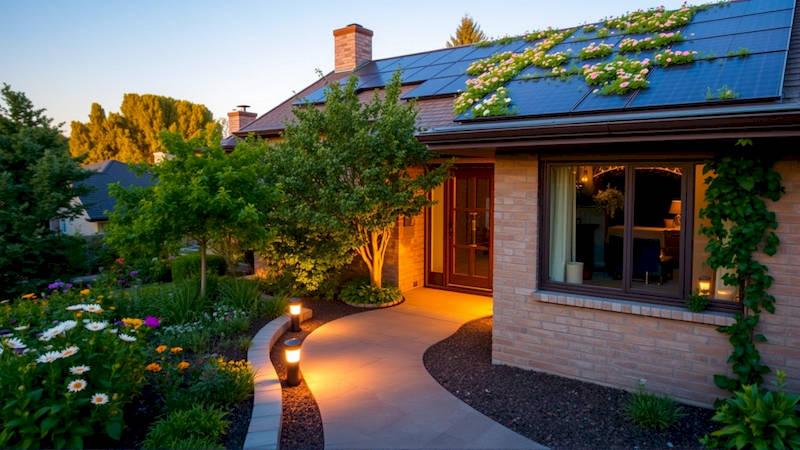
The quest for a more sustainable and cost-effective home often begins with small changes, yet these seemingly minor adjustments can accumulate into significant long-term benefits. One such upgrade, often overlooked, is transitioning to motion-sensor controlled lighting. Beyond simply being a convenient feature, incorporating motion sensors into your home’s lighting system dramatically reduces energy consumption, lowers electricity bills, enhances home security, and contributes to a smaller carbon footprint. As energy prices continue to rise and environmental awareness grows, understanding how to effectively implement this technology is more critical than ever. This article delves into the details of converting your home lighting to motion-sensor controls, offering a comprehensive guide packed with practical advice, detailed instructions, and considerations for maximizing your investment.
This isn’t just about swapping light bulbs; it’s about a strategic shift towards intelligent energy management. Traditional lighting often remains on unnecessarily, wasting both energy and money. Motion sensors address this inefficiency by ensuring lights are activated only when needed. From outdoor security lighting to closet illumination and hallway convenience, the applications are numerous. Furthermore, advancements in motion sensor technology have led to more sophisticated and customizable options, allowing homeowners to tailor the system to their specific needs and preferences. Let’s explore how you can modernize your home’s lighting and reap the rewards of this smart, sustainable upgrade.
- Understanding Motion Sensor Technology: Types and Functionality
- Determining Ideal Locations for Motion-Sensor Lighting
- Installing Motion Sensors: DIY vs. Professional Help
- Optimizing Sensor Settings for Peak Performance
- Smart Home Integration: Enhancing Functionality and Control
- Conclusion: A Brighter, Smarter, and More Sustainable Home
Understanding Motion Sensor Technology: Types and Functionality
Motion sensors operate on a variety of technologies, each with unique strengths and weaknesses. The two primary types used in residential lighting are passive infrared (PIR) and ultrasonic. PIR sensors detect changes in infrared radiation caused by moving heat sources – essentially, people or animals. These are the most common type found in household applications due to their affordability and reliability. However, PIR sensors can be less effective if the heat source is minimal (like a cold object moving) or if there are obstructions blocking the sensor’s line of sight. Ultrasonic sensors, on the other hand, emit high-frequency sound waves and detect movement by analyzing the changes in the reflected waves. They are less susceptible to temperature variations and can "see" through some materials, offering increased sensitivity, but can sometimes be triggered by air currents or small objects.
Beyond the underlying technology, it’s vital to understand the adjustable parameters of these sensors. Most systems allow customization of sensitivity – controlling how much movement is required to trigger the light – and duration – the length of time the light remains on after motion is detected. Some even include ambient light sensors, which prevent the lights from activating during daylight hours, maximizing energy savings. Carefully calibrating these settings is key to achieving optimal performance. “The biggest mistake homeowners make is leaving sensors at their default settings,” says David Miller, a certified smart home installer. “Taking the time to adjust sensitivity and duration to your specific environment and needs makes a huge difference in usability and efficiency."
Finally, consider the coverage area of different sensors. Sensors are rated based on the area they can effectively monitor, usually expressed in degrees (e.g., 180-degree, 360-degree). Selecting a sensor with the appropriate coverage is crucial for ensuring all desired areas are adequately protected while minimizing false alarms. Think about the layout of the space you intend to cover and choose a sensor that aligns with those dimensions.
Determining Ideal Locations for Motion-Sensor Lighting
The effectiveness of motion-sensor lighting hinges heavily on strategic placement. Outdoor security lighting is a prime candidate, particularly around entry points like doorways and driveways. Consistent coverage is vital for deterring potential intruders, so ensure the sensor’s range encompasses the entire area of concern. Indoors, hallways, pantries, closets, and bathrooms are all excellent locations. Consider the flow of traffic; sensors should be positioned to detect movement before someone enters a space, providing illumination as they approach. For example, mounting a sensor near the entrance of a walk-in closet allows the light to switch on automatically as you reach for items.
Avoid placing sensors where they might trigger false alarms. Factors to consider include direct sunlight, heating vents, ceiling fans, or pets. Direct sunlight can overheat the sensor, causing it to misinterpret temperature fluctuations as movement. Heating vents and fans create air currents that can activate ultrasonic sensors. Pet owners will need to choose sensors specifically designed to ignore smaller animals or strategically position them to avoid triggering. Some sensors feature “pet immunity” technology, which minimizes false activations by filtering out movement from animals below a certain weight.
A thoughtful site survey before installation is highly recommended. Walk through the intended areas at different times of day and observe potential interference sources. This will help you identify optimal mounting locations and adjust sensor settings accordingly, ensuring a reliable and efficient system. For example, in a high-traffic area, a higher sensitivity setting might be necessary, but in a quiet hallway, a lower setting will minimize unnecessary activations.
Installing Motion Sensors: DIY vs. Professional Help
Many motion-sensor lighting fixtures are designed for relatively easy DIY installation, particularly if you’re replacing existing fixtures. The core process typically involves disconnecting the existing light, mounting the new motion-sensor fixture, and connecting the wiring according to the manufacturer’s instructions. However, it's crucial to turn off the power at the circuit breaker box before beginning any electrical work. If you're unfamiliar with electrical wiring, or if the installation involves altering existing wiring, working with a qualified electrician is highly recommended. Incorrect wiring can lead to fires or electrical shock, posing a significant safety risk.
For more complex installations – such as retrofitting motion sensors into existing lighting circuits or integrating them into a smart home system – professional installation is often the best course of action. Electricians have the expertise to ensure proper wiring, sensor placement, and system configuration. They can also advise on the best types of sensors for your specific needs and provide valuable insights into maximizing energy efficiency. The cost of professional installation varies depending on the complexity of the job, but the peace of mind and safety benefits often outweigh the added expense.
Regardless of whether you choose DIY or professional installation, thoroughly review the manufacturer’s instructions and safety guidelines. Use appropriate tools and safety equipment, including insulated gloves and eye protection. Clearly label all wiring connections and double-check your work before restoring power. Remember, prioritizing safety is paramount.
Optimizing Sensor Settings for Peak Performance
Simply installing motion sensors isn't enough; optimizing the settings is crucial for maximizing their effectiveness. Start with the sensitivity adjustment. A higher sensitivity means the sensor will detect even slight movements, but it also increases the risk of false alarms. Begin with a lower sensitivity and gradually increase it until you achieve the desired level of responsiveness. The duration setting controls how long the light stays on after motion is detected. A shorter duration conserves energy but might be inconvenient if you need extended illumination. Experiment with different durations to find a balance that suits your needs.
Ambient light sensors are a game-changer for outdoor applications. Ensure this feature is enabled to prevent the lights from activating during daylight hours. Regular testing is also essential. Walk through the sensor's range at various times of day to verify it's functioning correctly and adjust settings as needed. An often-overlooked factor is the positioning of the sensor itself. Avoid aiming it directly at heat sources or areas with significant temperature fluctuations.
Consider the specific application. For security lighting, you might prioritize sensitivity and longer durations, while for indoor convenience lighting, you might opt for lower sensitivity and shorter durations. Regularly monitor performance and make adjustments based on your observations. It is worth noting that some systems allow remote control and monitoring via a smartphone app, offering even greater control and flexibility.
Smart Home Integration: Enhancing Functionality and Control
Integrating motion-sensor lighting with a smart home system opens up a world of possibilities. Connecting your sensors to a hub like SmartThings, Hubitat Elevation, or even Amazon Alexa allows you to control your lighting remotely, create customized automation routines, and receive notifications when motion is detected. For example, you can configure the lights to turn on automatically when you arrive home or simulate occupancy while you’re away on vacation, enhancing security.
Advanced smart home systems allow for integration with other devices. You could, for example, connect motion sensors to a security camera system to automatically record footage when movement is detected. Integration with voice assistants like Alexa or Google Assistant allows you to control the lights with simple voice commands. “The ability to integrate motion-sensor lighting with a larger smart home ecosystem is a significant advantage,” explains Sarah Chen, a smart home consultant. “It means you’re not just saving energy; you’re also creating a more secure and convenient living environment."
However, remember to prioritize data privacy and security when connecting your lighting system to the internet. Use strong passwords, keep your firmware updated, and be mindful of the data being collected by the smart home platform.
Conclusion: A Brighter, Smarter, and More Sustainable Home
Converting your home lighting to motion-sensor controls is a powerful step towards increased energy efficiency, enhanced security, and a more convenient lifestyle. From understanding the different types of sensor technology and strategically placing them for optimal performance, to carefully adjusting settings and leveraging smart home integration, the benefits are multifaceted. While DIY installation is feasible for simpler projects, partnering with a qualified electrician is crucial for more complex setups and ensures safety. The initial investment in motion-sensor lighting is quickly recouped through reduced electricity bills, and the environmental benefits contribute to a more sustainable future.
Key takeaways include the importance of customizing sensor settings to your specific needs, choosing the right technology for the application, and regularly testing the system for optimal performance. Actionable next steps include conducting a site survey to identify ideal locations, researching different sensor options, and considering the potential for smart home integration. By embracing this intelligent lighting solution, you can illuminate your savings and contribute to a brighter, smarter, and more sustainable home for years to come.
Deja una respuesta