
Transforming Your Kitchen with Eco-Friendly Materials and Finishes
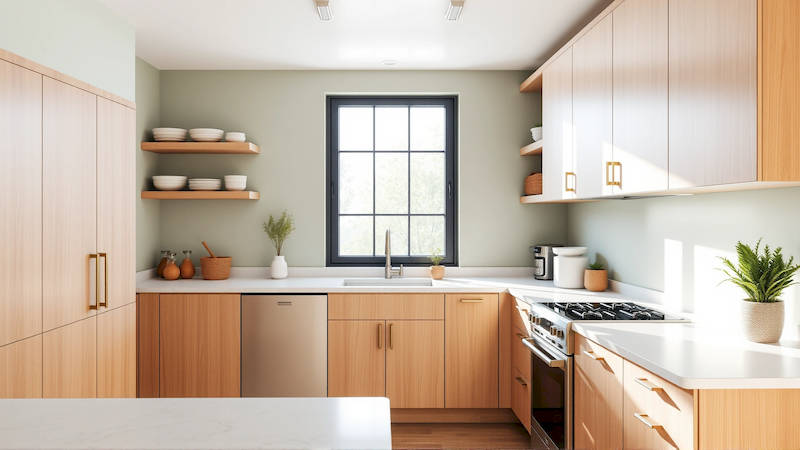
The kitchen, often called the heart of the home, is a space where memories are made, meals are shared, and life happens. But traditional kitchen remodeling often comes with a significant environmental footprint – from the sourcing of materials to the creation of waste. Increasingly, homeowners are prioritizing sustainability, seeking ways to create beautiful and functional kitchens that are also kind to the planet. This trend isn't just about feel-good choices; it's driven by a growing awareness of the long-term benefits, including improved indoor air quality, reduced carbon emissions, and potential cost savings. Remodeling with eco-friendly materials and finishes demonstrates a commitment to responsible living and can even increase a home’s value as green building becomes more mainstream.
This comprehensive guide delves into the world of sustainable kitchen design, offering practical advice and showcasing innovative options for transforming your space. We’ll explore materials for cabinetry, countertops, flooring, and even appliances, focusing on their environmental impact and how they contribute to a healthier home. Beyond material choices, we’ll also examine energy and water efficiency considerations, and highlight how thoughtful planning can minimize waste throughout the remodeling process.
- Sustainable Cabinetry: Beyond Solid Wood
- Countertops: From Recycled to Renewable
- Flooring: Stepping Towards Sustainability
- Eco-Friendly Finishes and Paints: Breathing Easier
- Appliances and Fixtures: Energy and Water Conservation
- Waste Reduction During Remodeling
- Conclusion: A Sustainable Kitchen for a Healthier Future
Sustainable Cabinetry: Beyond Solid Wood
Cabinetry is often the largest single component of a kitchen remodel, making it a crucial area to focus on sustainability. While solid wood is often perceived as the most eco-friendly option, it’s important to consider the source. Deforestation and unsustainable forestry practices can negate any perceived ‘natural’ benefit. Instead, look for cabinets constructed from Forest Stewardship Council (FSC) certified wood, meaning the wood comes from responsibly managed forests that meet strict environmental and social standards. FSC certification ensures biodiversity is protected, water resources are conserved, and workers' rights are respected. Beyond the wood source, consider alternatives like bamboo, which is rapidly renewable and incredibly durable.
Another fantastic option is using reclaimed wood. Salvaged from old buildings, barns, or even fallen trees, reclaimed wood gives a unique character to your kitchen while diverting waste from landfills. It often features a rich patina and interesting history. However, be sure to thoroughly inspect reclaimed wood for lead paint or other contaminants, especially if it comes from older structures. Finally, consider cabinet construction methods – formaldehyde-free plywood and water-based finishes are key for reducing volatile organic compound (VOC) emissions, which can harm indoor air quality. “Choosing the right finish is just as important as the material itself," says Sarah Johnson, a green building consultant, "low-VOC finishes are crucial for creating a truly healthy home environment.”
To make the most sustainable choice, look beyond just the cabinet boxes. Hardware also matters. Opt for recycled metal pulls and knobs, and consider the longevity of the construction. Well-made cabinets, even if initially more expensive, will last longer, reducing the need for replacement and the associated environmental cost.
Countertops: From Recycled to Renewable
Countertops are another area where sustainable options are rapidly expanding. Granite and marble, while beautiful, come with a substantial carbon footprint due to quarrying, transportation, and processing. Fortunately, a variety of eco-friendly alternatives are available. Recycled glass countertops are increasingly popular, created from post-consumer glass bottles and other waste materials. They offer a unique, vibrant aesthetic and are highly durable. These countertops often incorporate binding agents made from recycled materials, further reducing their environmental impact, and come in a wide variety of colors and patterns.
Concrete countertops, while seemingly industrial, can also be remarkably sustainable. They can be made with recycled aggregates like glass, shells, or even fly ash (a byproduct of coal combustion) and, crucially, can be poured in place, minimizing transportation needs. However, concrete can release carbon dioxide during its manufacturing process, so sourcing from companies utilizing carbon-capturing technologies is important. A rising star in the sustainable countertop realm is paper composite – composed of recycled paper and petroleum-free resins. These countertops are surprisingly durable, heat-resistant, and available in a range of colors and textures.
When comparing options, factor in the entire lifecycle. Consider the sourcing of materials, the manufacturing process, transportation, and the countertop’s longevity. More durable countertops require less frequent replacement, ultimately reducing waste.
Flooring: Stepping Towards Sustainability
Kitchen flooring takes a beating, so durability is key. Traditional vinyl flooring contains harmful PVCs, while hardwood often comes from unsustainable sources. Fortunately, many environmentally friendly flooring options offer both beauty and longevity. Bamboo flooring, as previously mentioned, is a rapidly renewable resource, growing much faster than hardwood trees. It's also incredibly durable and resistant to moisture, making it a great choice for kitchens.
Cork flooring is another excellent option, harvested from the bark of cork oak trees without harming the tree itself. Cork is naturally antimicrobial, provides excellent insulation, and offers a comfortable walking surface. It's also a renewable resource, as the bark regenerates every nine years. Linoleum, often confused with vinyl, is a natural material made from linseed oil, resin, wood flour, and other biodegradable ingredients. It’s remarkably durable, naturally antibacterial, and available in a variety of colors and patterns.
To further reduce your footprint, consider reclaimed wood flooring. Salvaged from old buildings or barns, it offers a unique aesthetic and diverts waste from landfills. As with reclaimed cabinetry, ensure thorough inspection for contaminants. Lastly, when installing any flooring, use low-VOC adhesives and underlayments to protect indoor air quality.
Eco-Friendly Finishes and Paints: Breathing Easier
Beyond the structural elements, finishes and paints significantly impact indoor air quality. Conventional paints release VOCs, which can contribute to health problems like headaches, allergies, and respiratory issues. Fortunately, low-VOC and zero-VOC paints are readily available, offering comparable performance and color selection. Look for paints certified by organizations like Green Seal or GREENGUARD for verification of low emissions.
Sustainable finishes extend beyond paint. For wooden surfaces, choose natural oils, waxes, or water-based polyurethanes, avoiding those containing harmful solvents. When sealing natural stone countertops, opt for penetrating sealers instead of surface coatings, which can trap moisture and lead to deterioration. Consider natural plasters for adding texture and color to walls; these plasters are made from clay, lime, and sand and offer excellent breathability, helping to regulate humidity and prevent mold growth.
Remember to ventilate the kitchen well during and after painting or finishing to allow any remaining VOCs to dissipate. Investing in quality ventilation systems during remodeling, such as a powerful range hood, helps improve overall air quality.
Appliances and Fixtures: Energy and Water Conservation
A truly eco-friendly kitchen doesn’t stop at materials; it also focuses on minimizing energy and water consumption. When replacing appliances, prioritize Energy Star certified models, which meet strict energy efficiency guidelines. These appliances use less electricity and water than standard models, saving you money on utility bills and reducing your carbon footprint. Consider induction cooktops, which are more energy-efficient than traditional electric or gas stoves, heating only the cookware and not the surrounding air.
Water-efficient faucets and dishwashers are also crucial. Look for models with low-flow aerators and water-saving cycles. Consider a dual-flush toilet if your kitchen is near a bathroom to minimize water waste. LED lighting is essential for energy savings. LEDs use significantly less energy than incandescent bulbs and have a much longer lifespan. Furthermore, design your kitchen layout to maximize natural light, reducing the need for artificial lighting. “Even small changes like switching to LED lighting can have a substantial impact over time,” explains David Miller, a home energy auditor.
Finally, consider incorporating smart home technology to optimize energy and water usage. Smart thermostats can learn your heating and cooling preferences, while smart irrigation systems can automatically adjust watering schedules based on weather conditions.
Waste Reduction During Remodeling
The remodeling process itself generates a significant amount of waste. Planning carefully and prioritizing mindful demolition can minimize this. Instead of simply tearing everything out, carefully deconstruct your old kitchen, salvaging materials that can be repurposed or donated. Cabinets, countertops, and appliances in good condition can be donated to charities like Habitat for Humanity ReStore.
Recycle as much waste as possible. Separate materials like wood, metal, glass, and cardboard for recycling. Consider hiring a remodeling contractor committed to sustainable practices who will prioritize waste diversion. During the construction phase, minimize packaging waste by requesting materials delivered without excessive packaging. Proper planning can drastically reduce what ends up in a landfill, contributing to a more circular economy.
Conclusion: A Sustainable Kitchen for a Healthier Future
Transforming your kitchen with eco-friendly materials and finishes is an investment in your health, the environment, and the future. From sustainable cabinetry and countertops to efficient appliances and mindful waste management, the options are abundant. It requires a conscious effort to research materials, prioritize quality, and consider the entire lifecycle of each component. However, the benefits – improved indoor air quality, reduced environmental impact, and long-term cost savings – far outweigh the initial effort.
Key takeaways include: prioritizing FSC-certified wood, exploring recycled and renewable materials, choosing low-VOC finishes, maximizing energy and water efficiency, and diligently managing waste throughout the remodeling process. Your kitchen can become a testament to responsible living – a beautiful, functional, and sustainable space that you can enjoy for years to come. Start small, research thoroughly, and remember that every eco-conscious choice, no matter how small, contributes to a healthier planet.
Deja una respuesta