
Step-by-Step Guide to Creating a Cozy Basement Home Theater
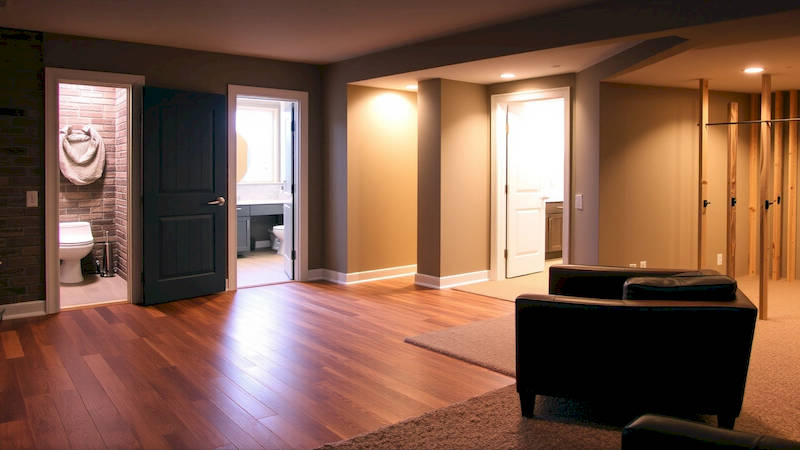
The dream of a dedicated home theater is becoming increasingly attainable for homeowners. No longer confined to the realm of the ultra-wealthy, a basement provides a naturally suitable, sound-isolated space for creating a truly immersive cinematic experience. Converting a basement into a home theater isn't simply about throwing up a screen and some speakers; it requires careful planning, attention to detail, and a commitment to creating a space that rivals – and often surpasses – a commercial cinema in comfort and quality. This guide will walk you through the process, from initial planning and design to the final finishing touches, ensuring a home theater that will entertain for years to come.
A well-executed basement home theater adds significant value to your home, serving as both a functional entertainment space and a desirable feature for potential buyers. According to a 2023 report by the Consumer Technology Association, spending on home entertainment technologies continues to rise, with dedicated media rooms becoming increasingly popular. Investing in a basement home theater is more than just a lifestyle upgrade—it's a smart home improvement project with substantial returns, both in enjoyment and potential resale value. This guide aims to give you the knowledge to make informed decisions every step of the way.
- Planning & Design: Laying the Foundation for Cinematic Bliss
- Addressing Basement-Specific Challenges: Moisture, Soundproofing & Ventilation
- Audio-Visual Equipment: Choosing the Right Gear for the Experience
- Seating & Comfort: Creating a Luxurious Viewing Environment
- Lighting & Aesthetics: Setting the Mood for an Immersive Experience
- Final Touches & Integration: Bringing it All Together
- Conclusion: Enjoying Your Cinematic Sanctuary
Planning & Design: Laying the Foundation for Cinematic Bliss
The initial planning phase is arguably the most critical. Don't simply start ripping up carpet! Begin with a thorough assessment of your basement’s existing layout, ceiling height, and potential challenges like plumbing, electrical systems, and moisture. A detailed floor plan is essential, showing the placement of seating, the screen, speakers, and any other features you desire. Consider factors such as viewing angles, speaker placement for optimal surround sound, and traffic flow. Remember to account for space needed behind seating for comfortable access and operation.
Beyond the structural layout, consider the overall aesthetic. A truly immersive experience extends beyond just the audio-visual components. Think about lighting, color schemes, and thematic elements. Dark, muted colors are ideal for minimizing light reflection and enhancing the perceived contrast ratio of the screen. Consider using acoustic panels, strategically placed, to absorb sound and reduce reverberation. “Acoustics are often overlooked, but they are just as important as the visual components,” says Jonathan Thornton, a certified home theater designer. “Poor acoustics can ruin even the most expensive audio system.”
Finally, consider your budget. Home theater costs can vary widely, from a few thousand dollars for a basic setup to tens of thousands for a premium system. Breaking the project down into phases can make it more manageable. Start with the essential components – screen, projector/TV, speakers, and seating – and add extras like a wet bar or gaming area later. Having a realistic budget from the outset will prevent cost overruns and frustration.
Addressing Basement-Specific Challenges: Moisture, Soundproofing & Ventilation
Basements present unique challenges that must be addressed before starting construction. Moisture is a common issue, and unaddressed dampness can lead to mold growth, structural damage, and a generally unpleasant environment. Before any work begins, thoroughly inspect the foundation for cracks or leaks and address them accordingly. Consider installing a dehumidifier and potentially even a vapor barrier to control humidity levels. Proper drainage around the exterior of the house is also crucial to prevent water from seeping into the basement.
Soundproofing is another critical consideration. Basement home theaters can generate significant noise, which can disturb other members of the household or neighbors. Decoupling the walls and ceiling from the existing structure is the most effective method of soundproofing. This involves creating a separate framework that isn’t directly connected to the foundation, reducing the transmission of vibrations. Use resilient channels, soundproof insulation (like mineral wool), and mass-loaded vinyl to further isolate the space. Consider a dedicated, isolated HVAC system to minimize noise from the ventilation.
Finally, adequate ventilation is paramount. Basements often lack natural light and can become stuffy. Installing a dedicated HVAC system will not only provide fresh air but also ensure consistent temperature control. Consider a system with HEPA filtration to improve air quality. “Many people forget about air quality in their basement theaters,” notes Sarah Miller, an indoor air quality specialist. “A poorly ventilated space can quickly become stale and uncomfortable, detracting from the viewing experience.”
Audio-Visual Equipment: Choosing the Right Gear for the Experience
Selecting the right audio-visual equipment is the heart of creating a captivating home theater. The debate between a projector and a large-screen TV is often the first consideration. Projectors offer a larger, more cinematic image, but require a darkened room to perform optimally. High-quality projectors can now rival the brightness and color accuracy of TVs, but they also require more maintenance and have a lower lifespan. Large-screen TVs (80"+) provide excellent image quality and convenience, but can be significantly more expensive.
For audio, a surround sound system is essential. A 5.1.2 (five speakers, one subwoofer, two height channels) or 7.1.4 configuration is a good starting point, providing immersive surround sound with overhead effects. Invest in a quality AV receiver that supports the latest audio formats (Dolby Atmos, DTS:X). Choose speakers that are specifically designed for home theater use, and consider the room's acoustics when positioning them. Don't underestimate the importance of a good subwoofer – it will deliver the deep bass that truly brings movies and music to life.
Don’t forget the source components! A high-quality Blu-ray player is still essential for physical media. Streaming devices (Roku, Apple TV, etc.) provide access to a vast library of content. A universal remote control can simplify operation and eliminate clutter. Consider future-proofing your system by choosing equipment that supports the latest technologies and standards.
Seating & Comfort: Creating a Luxurious Viewing Environment
The comfort of your seating is just as important as the quality of your audio-visual equipment. Reclining theater seats are the gold standard, offering individual comfort and convenience. Consider features like power headrests, lumbar support, and cup holders. The number of seats will depend on the size of your basement and your entertainment habits.
Spacing is crucial. Ensure enough room for comfortable reclining and legroom. Consider tiered seating, which elevates the back rows to provide a clear view of the screen for everyone. The seating arrangement should also allow for easy access to aisles and exits. Beyond the seats themselves, consider adding ambient lighting, throw blankets, and pillows to enhance the cozy atmosphere.
Don’t overlook the importance of a sturdy platform or raised floor for the seating area. This helps with acoustics by minimizing sound reflections and allows for easier cable management. Integrating this platform into the overall design of the room can create a more polished and professional look.
Lighting & Aesthetics: Setting the Mood for an Immersive Experience
Controlling the lighting is essential for creating an immersive home theater experience. Completely blocking out external light is the ideal scenario, but often difficult to achieve. Blackout curtains or shades are a must-have. Consider layering your lighting scheme with multiple zones.
Ambient lighting (dimmable recessed lights or LED strip lighting) provides general illumination for walking around. Accent lighting (sidelights or sconces) can highlight architectural features. Backlighting behind the screen can reduce eye strain and improve perceived contrast. Smart lighting systems allow you to create custom scenes and control the lighting with a remote control or smartphone.
Aesthetically, the goal is to create a space that is both visually appealing and conducive to relaxation. Dark colors, textured walls, and comfortable furnishings can all contribute to a cozy atmosphere. Consider incorporating thematic elements based on your favorite movies or genres. Artwork, posters, and collectibles can add personality and character to the space.
Final Touches & Integration: Bringing it All Together
Once the major construction and equipment installation is complete, it's time to focus on the final details. Cable management is crucial. Neatly organize and conceal all cables behind walls, under floors, or in cable raceways. A messy tangle of wires can detract from the overall aesthetic and create a tripping hazard. System calibration is also essential. Use a sound level meter and calibration software to optimize the audio settings for your room.
Consider automating your home theater using a smart home system. This will allow you to control the lighting, audio-visual equipment, and temperature with a single remote control or voice commands. Finally, test everything thoroughly and make any necessary adjustments. Don’t be afraid to seek professional help if you encounter any issues. A properly calibrated and integrated home theater will deliver a truly unforgettable viewing experience.
Conclusion: Enjoying Your Cinematic Sanctuary
Creating a cozy basement home theater is a rewarding project that will provide years of enjoyment. It demands careful planning, attention to detail, and a commitment to quality. From addressing potential moisture issues and maximizing soundproofing to selecting the right audio-visual equipment and creating a comfortable seating area, each step is crucial to achieving the desired result. Remember to prioritize acoustics, lighting, and aesthetics, and don’t be afraid to personalize the space to reflect your own unique style. By following these steps and being willing to invest the necessary time and resources, you can transform your basement into a cinematic sanctuary that will rival any commercial theater. The key takeaways are: prioritize planning, address basement-specific challenges head-on, invest in quality equipment, and don’t underestimate the importance of comfort and aesthetics. Now, dim the lights, grab some popcorn, and enjoy the show!
Deja una respuesta