
Using Smart Thermostats to Optimize Home Energy Use
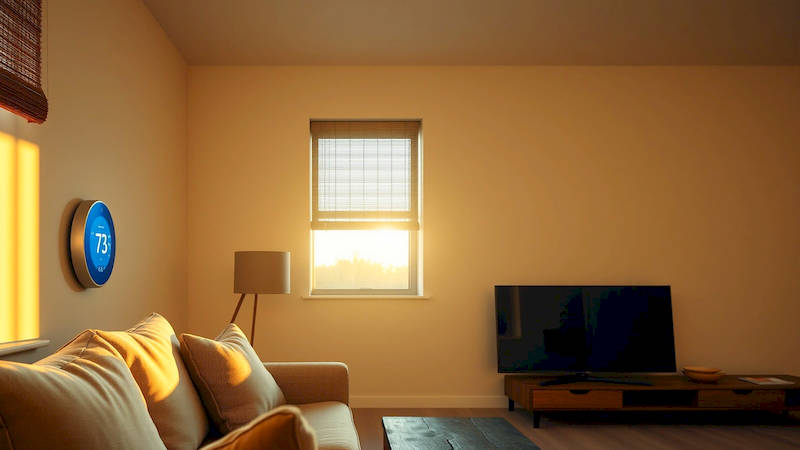
The modern home is increasingly becoming a connected ecosystem, and at the heart of this transformation lies the smart thermostat. For decades, homeowners have relied on manual or programmable thermostats, often resulting in energy waste due to inconsistent temperature settings and forgotten adjustments. However, smart thermostats represent a significant leap forward, offering a blend of convenience, cost savings, and environmental responsibility. They’re no longer a futuristic novelty but a pragmatic solution to rising energy costs and a growing desire for sustainable living. This article delves deep into the world of smart thermostats, exploring how they function, the benefits they provide, the factors to consider when choosing one, and how to maximize their effectiveness for optimal home energy use.
The impact of home energy consumption on both household budgets and the environment is substantial. Heating and cooling account for nearly half of a typical home’s energy bill, making it the most significant energy expense. As concerns about climate change escalate, reducing our carbon footprint has become increasingly important. Smart thermostats empower homeowners to actively manage their energy usage, moving beyond simply reacting to the weather and instead proactively optimizing comfort and efficiency. They offer a powerful tool in the ongoing effort to create more sustainable and economically sensible homes.
This comprehensive guide will uncover the intricacies of smart thermostat technology, providing you with the knowledge to make informed decisions and unlock the full potential of these innovative devices. From detailed explanations of how they learn your habits to practical tips for installation and configuration, we'll explore everything you need to know to start saving energy and money. Let's explore how integrating a smart thermostat can be a cornerstone of a truly energy-efficient home.
- Understanding the Technology Behind Smart Thermostats
- The Tangible Benefits of Switching to a Smart Thermostat
- Choosing the Right Smart Thermostat: Key Considerations
- Installation and Setup: A Step-by-Step Guide
- Maximizing Energy Savings: Advanced Features and Best Practices
- The Future of Smart Home Temperature Control
Understanding the Technology Behind Smart Thermostats
Smart thermostats differ significantly from their traditional counterparts by incorporating sophisticated sensors, connectivity features, and advanced algorithms. The core functionality remains the same – regulating temperature – but the 'how' is dramatically enhanced. Traditional thermostats operate on a fixed schedule, meaning they heat or cool based on predetermined times, without taking into account real-time conditions or occupancy. Smart thermostats, on the other hand, continuously monitor environmental factors such as temperature, humidity, and even sunlight exposure. They leverage this data, along with user-defined preferences and learned behavior patterns, to dynamically adjust the heating or cooling system.
A crucial component of any smart thermostat is its connectivity – most commonly Wi-Fi. This allows the thermostat to communicate with a smartphone app, enabling remote control and monitoring. Crucially, that connectivity facilitates access to weather data, allowing the device to anticipate temperature fluctuations and pre-emptively adjust settings. Many also incorporate geofencing capabilities, using your smartphone's location to determine if you're home or away, and automatically transitioning between comfort and energy-saving modes. This means the heat doesn’t run unnecessarily when the house is empty, and the home is comfortably warm when you return.
Furthermore, many smart thermostats incorporate learning algorithms. These algorithms analyze your temperature adjustments over time, building a profile of your comfort preferences and schedule. Over weeks, or even months, the thermostat "learns" when you typically adjust the temperature, and proactively suggests or implements adjustments, creating a continuously optimized heating and cooling routine. Some thermostats also feature energy reporting, providing detailed insights into your usage patterns, allowing you to identify areas for further savings. "The beauty of these systems is that they’re not just set-it-and-forget-it; they're constantly adapting and improving," notes energy efficiency expert, David Pauli.
The Tangible Benefits of Switching to a Smart Thermostat
The benefits of adopting a smart thermostat extend far beyond mere convenience. The most significant advantage is demonstrable energy savings. Studies conducted by organizations like the U.S. Department of Energy consistently show that smart thermostats can reduce heating and cooling costs by 10-12% on average, and up to 23% in some cases. These savings translate to hundreds of dollars per year for many homeowners, and a reduced carbon footprint for everyone. The ability to remotely control your thermostat also prevents wasted energy due to unforeseen schedule changes or forgotten adjustments.
Beyond cost savings, smart thermostats offer enhanced comfort and control. Traditional programmable thermostats require manual adjustments and adherence to a fixed schedule, which doesn't always align with real-life fluctuations. Smart thermostats, with their learning algorithms and remote access, provide a much more flexible and responsive system. Imagine being able to adjust the temperature from your office before you leave work, ensuring a comfortable arrival home, or dropping the temperature remotely if you forgot to do so before leaving on vacation. Ultimately, the seamless integration of comfort and efficiency is a key driver for adoption.
Finally, smart thermostats can increase property value. As energy efficiency becomes a more significant concern for homebuyers, features like smart thermostats are increasingly seen as desirable amenities. They demonstrate a commitment to sustainability and can attract environmentally conscious buyers. Moreover, compatibility with voice assistants like Amazon Alexa and Google Assistant adds further appeal, integrating seamlessly into the growing landscape of smart home technology.
Choosing the Right Smart Thermostat: Key Considerations
The market for smart thermostats is diverse, offering a wide range of features, prices, and compatibility options. Selecting the right thermostat requires careful consideration of your specific needs and home setup. The first step is to determine compatibility with your existing HVAC system. Not all smart thermostats work with all systems; some require a C-wire (common wire) for power, while others may not be compatible with certain types of heating or cooling equipment. Checking compatibility lists on the manufacturer's website is crucial before making a purchase.
Next, consider the features that are most important to you. Do you prioritize remote access and control? Or perhaps you're looking for advanced features like geofencing, learning algorithms, and energy reporting? Different thermostats offer varying levels of functionality, so identifying your priorities will help narrow down your choices. Budget is also a significant factor, with prices ranging from around $100 to $250 or more. While higher-priced models typically offer more features, a less expensive option may suffice if you only need basic functionality.
Don’t underestimate the importance of your smart home ecosystem. If you already have a preferred voice assistant (Amazon Alexa, Google Assistant, Apple HomeKit), selecting a thermostat that seamlessly integrates with that ecosystem is a wise decision. Look for thermostats that are explicitly compatible with your preferred platform to ensure a smooth and unified smart home experience. For example, Nest thermostats work exceptionally well within the Google Home ecosystem while Ecobee integrates nicely with Apple HomeKit.
Installation and Setup: A Step-by-Step Guide
While many homeowners choose to have a professional install their smart thermostat, many models are designed for DIY installation. Before beginning, always turn off the power to your HVAC system at the breaker box. The installation process typically involves removing your old thermostat, labeling the wires, and connecting them to the corresponding terminals on the new smart thermostat base. Carefully follow the manufacturer's instructions, as wiring configurations can vary. If you encounter any difficulties or are unsure about any step, it’s always best to consult a qualified HVAC technician.
Once the physical installation is complete, the next step is to connect the thermostat to your home's Wi-Fi network. This usually involves downloading the manufacturer's app to your smartphone and following the on-screen instructions. The app will guide you through the process of connecting the thermostat to your Wi-Fi network and registering the device. Following this, configure your preferences, including setting your desired temperature schedule and exploring the various features offered by the thermostat.
Finally, test the system thoroughly. Ensure that the thermostat is correctly controlling your heating and cooling system, and that remote access and control are functioning properly. Take some time to familiarize yourself with the app and explore the various energy reporting and customization options. "Taking the time to set up the thermostat correctly is crucial," advises electrical engineer, Sarah Chen, "allowing it to learn your habits and optimize performance over time."
Maximizing Energy Savings: Advanced Features and Best Practices
Simply installing a smart thermostat isn't enough to unlock its full potential. Maximizing energy savings requires leveraging its advanced features and adopting best practices. One of the most effective strategies is to utilize the geofencing feature. Properly configured, geofencing can automatically adjust the temperature when you leave home, preventing wasted energy while you're away. Experiment with different temperature setbacks to find the optimal balance between comfort and savings – even a few degrees can make a significant difference over time.
Take full advantage of the learning algorithms offered by most smart thermostats. Allow the thermostat to learn your habits over a period of several weeks, and avoid making frequent manual adjustments during this period. Once the thermostat has established a baseline, you can fine-tune the settings to your liking. Regularly review the energy reports provided by the thermostat to identify areas where you can further reduce your energy consumption. Consider incorporating the thermostat's data into wider energy efficiency initiatives around the home, such as improved insulation or draft proofing.
Finally, remember that a smart thermostat is just one piece of the puzzle. While it can significantly reduce your energy consumption, it’s most effective when combined with other energy-saving measures, such as upgrading your HVAC system, improving insulation, and sealing air leaks.
The Future of Smart Home Temperature Control
The future of smart thermostats is poised for even greater innovation, driven by advancements in artificial intelligence and the continued expansion of the smart home ecosystem. We can expect to see thermostats that are even more proactive and predictive, anticipating your needs before you even realize them. Enhanced integration with other smart home devices, such as smart windows and shading systems, will enable more holistic energy management.
Furthermore, the development of more sophisticated algorithms will lead to even greater energy savings and personalized comfort. Imagine a thermostat that automatically adjusts the temperature based on your biological rhythms, or one that optimizes the heating and cooling system based on real-time energy prices. According to a recent report by Statista, the global smart thermostat market is projected to reach $5.4 billion by 2028, demonstrating the growing demand for these innovative devices.
In conclusion, smart thermostats represent a powerful tool for optimizing home energy use, reducing costs, and contributing to a more sustainable future. By understanding the technology, carefully choosing the right thermostat for your needs, and maximizing its advanced features, you can unlock significant savings and enjoy enhanced comfort. The transition to a smart thermostat is not just an upgrade to your home; it's an investment in a more efficient, comfortable, and environmentally responsible lifestyle. Taking the initial steps to research and implement a smart thermostat solution can yield substantial benefits for years to come – both for your wallet and for the planet.
Deja una respuesta