
Using Color Schemes to Brighten Up Dark Basements
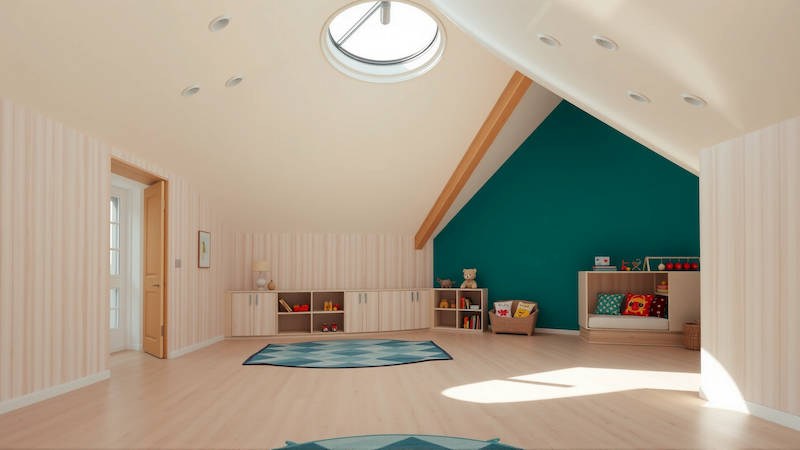
The allure of finishing a basement is strong. It adds valuable living space to a home, potentially increasing its market value and providing a versatile area for recreation, work, or even additional bedrooms. However, many basements suffer from a common ailment: a lack of natural light. This can lead to spaces that feel gloomy, cramped, and uninviting. While structural changes to introduce more daylight are ideal, they’re often expensive and impractical. Fortunately, a strategic application of color can dramatically transform a dark basement, making it feel brighter, more spacious, and a genuinely enjoyable part of your home. Choosing the right color scheme isn't just about aesthetics; it's about manipulating perception and maximizing the limited light available.
Too often, homeowners default to darker shades in basements, mistakenly believing it will “hide” the lack of light. In reality, this exacerbates the problem. This guide will delve into the principles of color psychology and how specific palettes can counteract the inherent darkness of a basement, creating a welcoming and functional space. We'll explore the nuances of warm versus cool tones, the impact of sheen, and how to coordinate colors throughout the basement to achieve a cohesive and uplifting atmosphere.
- Understanding the Impact of Light and Color in Basements
- The Power of Light and Neutral Color Palettes
- Incorporating Accent Colors Strategically
- Leveraging Color to Enhance Spatial Perception
- The Importance of Paint Sheen and Finish
- Case Study: Transforming a Dark Rec Room
- Conclusion: Illuminating Your Basement Potential
Understanding the Impact of Light and Color in Basements
The unique challenge of basements stems from their fundamental characteristics. Typically situated below ground level, they receive minimal natural light, often relying solely on artificial illumination. The lack of sunlight directly impacts how colors are perceived. Darker spaces tend to absorb light, making colors appear muted and duller. This means that a paint color that looks vibrant and cheerful in a brightly lit room might appear drab and lifeless in a basement. Understanding this crucial factor is the first step towards an effective color strategy.
Furthermore, the existing elements within the basement – concrete walls and floors, exposed ductwork, and the often limited ceiling height – contribute to the overall feeling of confinement. Colors can be used strategically to minimize the appearance of these structural constraints. For example, painting the ceiling a lighter color than the walls can create the illusion of height, while using a monochrome palette can blur the boundaries of the space, making it feel larger. Recognizing these visual tricks is essential for maximizing the perceived brightness and spaciousness of a basement.
Consider the concept of Light Reflectance Value (LRV). This is a measurement of how much light a color reflects, ranging from 0 (absolute black) to 100 (pure white). Choosing colors with a higher LRV is paramount for basement spaces. A study by the Paint Quality Institute found that lighter colors reflected up to 80% more light than darker colors, significantly increasing the perceived brightness of a room. Don't shy away from exploring shades within the 60-85 LRV range, even if you prefer a warmer color tone.
The Power of Light and Neutral Color Palettes
Neutral colors are often the safest and most effective starting point when brightening a dark basement. While “neutral” might sound bland, the spectrum of possibilities is surprisingly diverse, ranging from crisp whites and creams to warm grays and beiges. The key is selecting neutrals with warm undertones to counteract the coolness often associated with concrete and the limited natural light. Specifically, off-whites with hints of yellow or peach can introduce a subtle warmth that elevates the overall atmosphere.
Think beyond a single, flat neutral shade. Utilizing a layered neutral palette can add depth and interest without sacrificing brightness. For instance, a light beige on the walls, a slightly darker cream on the trim, and a warm white for the ceiling can create a sophisticated and inviting space. This approach avoids the starkness that can sometimes accompany all-white schemes. Interior designer Kelly Hoppen famously advocates for layering neutrals, stating, “Neutrals are the perfect backdrop to introduce texture and personality without overwhelming a space.”
However, be cautious with cool-toned grays, especially those with bluish undertones. These can amplify the feeling of coldness and darkness in a basement. If you're set on gray, opt for "greige" – a blend of gray and beige – or warmer grays with brown or red undertones. To prevent a neutral palette from feeling sterile, incorporate natural textures like wood, woven rugs, and linen fabrics to add warmth and visual interest.
Incorporating Accent Colors Strategically
While a neutral foundation is essential, incorporating accent colors can inject personality and vibrancy into a basement space. The goal isn’t to overwhelm, but to strategically introduce pops of color that draw the eye and enhance the perception of brightness. Warmer colors generally work best in dark basements, as they tend to reflect light more effectively and create a sense of warmth and energy.
Colors like sunny yellows, coral oranges, and warm reds can add a cheerful touch, but use them sparingly. A feature wall painted in a vibrant shade, a collection of colorful artwork, or brightly colored accessories can all make a significant impact without overwhelming the space. Avoid using dark, saturated colors as accent shades, as they will absorb light and counteract the brightening effect. Instead, consider lighter, brighter variations of these colors.
Furthermore, think about the psychological impact of different colors. Yellow is associated with optimism and energy, orange with enthusiasm and creativity, and red with passion and excitement. Choose colors that align with the intended function of the basement. For a home theater, darker shades of blue or green might be appropriate, while a playroom or home gym would benefit from brighter, more stimulating colors.
Leveraging Color to Enhance Spatial Perception
Beyond simply brightening the space, color can also be used to manipulate the perception of space. In basements, where square footage is often at a premium, this is especially important. Painting the ceiling a lighter color than the walls is a classic trick for creating the illusion of height. A crisp white ceiling can make the basement feel significantly taller and more open.
Similarly, using a monochrome color scheme – varying shades of the same color – can blur the boundaries of the space and make it feel larger. For example, painting the walls a light beige and the trim a slightly darker shade of beige creates a seamless flow that visually expands the room. Avoid using strong contrasting colors, as they can chop up the space and make it feel smaller.
Consider painting the back wall of the basement (the one furthest from the entrance) a slightly lighter color than the side walls. This can create a sense of depth and make the room feel longer. Another effective technique is to paint any recessed areas, such as alcoves or built-in shelving, a lighter color to bring them forward and create visual interest.
The Importance of Paint Sheen and Finish
Choosing the right paint sheen is just as important as selecting the right color. In basements, where moisture can be a concern, a higher sheen is generally recommended. Semi-gloss or satin finishes are more durable and easier to clean than matte finishes, and they also reflect more light, contributing to the overall brightness of the space.
However, be aware that higher sheens also highlight imperfections in the walls. If your basement walls are uneven or have cracks, a matte or eggshell finish might be a better option, as it will help to disguise these flaws. You can also prime the walls thoroughly before painting to create a smooth and even surface.
Consider the amount of traffic the basement will receive when choosing a sheen. High-traffic areas, such as hallways and playrooms, will benefit from a more durable finish, while less-used areas, such as bedrooms, can get away with a lower sheen. Experts at Benjamin Moore recommend using a satin finish for basement walls as a good balance between durability and light reflection.
Case Study: Transforming a Dark Rec Room
A family in suburban Maryland recently finished their basement, initially struggling with a perpetually dim and unwelcoming rec room. The previous paint color was a dark taupe, which absorbed almost all available light. They enlisted the help of a local interior designer who recommended a complete color overhaul. The designer opted for a warm off-white (Benjamin Moore’s Cloud White) for the walls, ensuring a high LRV. The ceiling was painted a bright white, further enhancing the sense of height, and a soft greige was used on the trim. Accent colors were introduced through accessories – a vibrant teal sofa, colorful area rugs, and artwork featuring warm yellows and oranges.
The difference was dramatic. The room instantly felt brighter, more spacious, and inviting. The family reported that they now use the rec room regularly, whereas before it felt like an afterthought. This case study demonstrates the transformative power of color in a basement, proving that even with limited natural light, a well-planned color scheme can create a functional and enjoyable living space.
Conclusion: Illuminating Your Basement Potential
Transforming a dark basement into a vibrant and welcoming space is achievable, and color is your most powerful tool. By understanding the principles of light reflectance, color psychology, and spatial perception, you can create a basement that feels brighter, larger, and more inviting. Prioritize light and warm neutral palettes as your foundation, strategically incorporate accent colors for personality, and consider the impact of sheen on durability and light reflection.
Remember, choosing the right color isn’t just about preference; it’s about manipulating perception and maximizing the limited resources available. Don’t be afraid to sample different colors in your basement and observe how they look under various lighting conditions. With careful planning and thoughtful execution, you can unlock the full potential of your basement and create a space that you and your family will enjoy for years to come. The next step? Gather paint swatches, assess your basement's unique features, and begin to paint a brighter future – literally.
Deja una respuesta