
Transforming Your Basement into a Rental Unit: Legal and Practical Tips
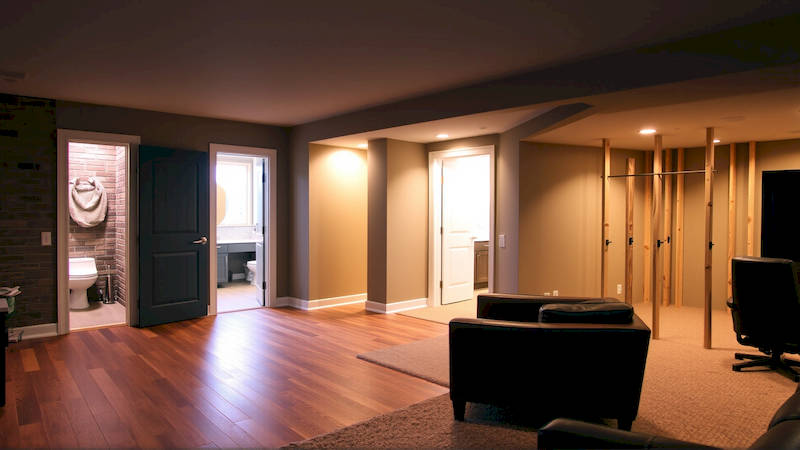
The dream of passive income is a powerful one, and for many homeowners, the untapped potential of their basement represents a significant opportunity. Converting a basement into a separate rental unit – often called an “accessory dwelling unit” or ADU – can be a savvy financial move, offering a steady rental income stream and potentially increasing your property value. However, it's not as simple as just finishing the space and posting an ad. Successfully transforming your basement into a rentable unit requires meticulous planning, adherence to local regulations, and a solid understanding of both legal and practical considerations. This article will provide a comprehensive guide to navigating this process, ensuring you create a tenant-attracting, legally compliant, and financially rewarding rental unit.
Converting a basement presents a unique set of challenges and rewards compared to other home improvement projects. While it doesn't require adding square footage to your property’s footprint, the potential for issues related to moisture, egress, and building codes is higher. Successfully navigating these hurdles requires a proactive approach, thorough research, and potentially engaging professionals – from architects and contractors to legal counsel. Ignoring these factors can lead to costly repairs, legal battles, and ultimately, a failed investment.
This detailed guide will cover everything from initial legal checks to final inspection requirements, offering actionable advice to help you unlock the rental potential of your basement. We'll explore zoning laws, building codes, safety regulations, and essential design considerations, providing a roadmap to a successful and legally sound basement conversion.
- Understanding Zoning Laws and Building Codes
- Ensuring Legal Compliance: Permits and Inspections
- Essential Design Considerations for a Rentable Basement
- Addressing Utilities and Separate Metering
- Legal Considerations: Lease Agreements and Tenant Screening
- Insurance and Liability Concerns
- Conclusion: Unlocking Your Basement's Potential Responsibly
Understanding Zoning Laws and Building Codes
Before even sketching designs, the first and arguably most crucial step is to understand your local zoning laws and building codes. These regulations dictate what's permissible on your property and will dictate the scope of your project. Regulations regarding ADUs vary significantly depending on location. Some municipalities actively encourage ADUs to address housing shortages, while others have strict limitations or outright prohibitions. Expect to look into allowable square footage, parking requirements, setback rules, and height restrictions. A quick internet search for “[Your City/County] ADU Regulations” is a great starting point, but don’t rely solely on online information.
Contacting your local planning and zoning department is vital. Don’t hesitate to schedule a meeting with a zoning officer to discuss your project in detail. This will help clarify any ambiguities and prevent costly mistakes down the line. They can provide specific guidance on what permits are required and what standards you’ll need to meet. Be prepared to provide a preliminary site plan and a description of your proposed conversion. Ignoring zoning laws can result in hefty fines, stop-work orders, and even forced demolition.
Many municipalities are actively updating their ADU regulations, often streamlining the approval process and offering incentives like reduced permit fees, so it's important to get the most current information. For example, California, facing a severe housing crisis, has passed state laws aimed at making ADU construction easier. This highlights how regulations can change and emphasizes the need for up-to-date knowledge.
Ensuring Legal Compliance: Permits and Inspections
Once you’ve confirmed the legality of the conversion based on zoning laws, you’ll need to secure the necessary permits. Building permits are essential for ensuring your project meets safety standards and building codes. The typical permits required for a basement conversion include building permits, electrical permits, plumbing permits, and potentially HVAC permits. Failing to obtain these permits can lead to significant issues when attempting to rent out the unit, and could void your homeowner’s insurance.
The permit application process usually involves submitting detailed architectural plans that demonstrate compliance with local codes. These plans must include details about egress (safe exit routes), fire safety, structural integrity, and accessibility. Be prepared to hire a qualified architect or draftsperson to create these plans. The review process can take several weeks or even months, depending on the complexity of the project and the workload of the permitting office.
Throughout the construction process, you’ll be required to schedule a series of inspections to verify that the work is being performed according to the approved plans and codes. These inspections typically include a foundation inspection, framing inspection, electrical inspection, plumbing inspection, and a final inspection. It’s crucial to schedule these inspections and address any deficiencies identified by the inspectors promptly. Remember, passing all required inspections is essential before you can legally rent out the unit.
Essential Design Considerations for a Rentable Basement
Designing a basement rental unit requires considering the unique challenges of below-grade living. Moisture control is arguably the most critical aspect. Basements are prone to water infiltration, so investing in a robust waterproofing system is paramount. This can include exterior waterproofing membranes, interior drainage systems, and a dehumidifier. Ignoring moisture issues will lead to mold growth, structural damage, and unhappy tenants.
Egress is another top priority. Building codes require every habitable room in a basement unit to have a safe means of escape in case of a fire. This typically means installing an egress window that meets specific size and accessibility requirements. The window must be large enough for a firefighter to enter and must be readily operable from the inside without tools. Proper lighting is also crucial for egress windows, ensuring visibility during emergencies.
Consider the layout to maximize livability. Natural light is often limited in basements, so incorporate strategically placed artificial lighting to create a bright and inviting space. Soundproofing is also important to minimize noise transmission between the rental unit and the main house. Utilize materials like resilient channels, sound-dampening insulation, and solid-core doors to achieve effective sound isolation.
Addressing Utilities and Separate Metering
Treating the basement unit as a truly separate dwelling requires careful consideration of utilities. Ideally, you’ll want to install separate meters for electricity, gas, and water. This allows tenants to pay their own utility bills and simplifies accounting. However, separating utilities can be expensive, especially if it requires running new lines from the street. Check with your local utility companies to determine the cost and feasibility of separate metering.
If separate metering isn’t feasible or cost-effective, you’ll need to establish a fair and transparent method for calculating the tenant’s share of the utility bills. This might involve allocating costs based on square footage or establishing a fixed monthly rate. Document your method clearly in the lease agreement to avoid disputes with tenants. Consider energy-efficient appliances and features to minimize utility costs.
Furthermore, consider the impact of the additional utility demand on your existing system. Will your current electrical panel be able to handle the load? You may need to upgrade your electrical service to accommodate the increased demand. Similarly, make sure your water heater has sufficient capacity for both the main house and the rental unit.
Legal Considerations: Lease Agreements and Tenant Screening
A well-crafted lease agreement is your primary legal protection as a landlord. The lease should clearly outline the terms of the tenancy, including rent amount, payment schedule, security deposit requirements, and rules regarding pets, smoking, and other important issues. It also needs to be in compliance with all local landlord-tenant laws. Consulting with a real estate attorney to review your lease agreement is highly recommended.
Thorough tenant screening is crucial for minimizing risks and protecting your investment. Conduct a comprehensive background check, including a credit check, criminal history check, and eviction history check. Verify the applicant's income and employment status. Contact previous landlords to obtain references. Don’t rely solely on the information provided by the applicant. Be consistent in your screening process and apply the same criteria to all applicants to avoid discrimination claims.
Document everything related to the tenancy, including the application process, tenant screening results, and all communication with the tenant. This documentation will be invaluable if you ever need to pursue legal action. Understanding and adhering to Fair Housing laws is paramount, prohibiting discrimination based on protected characteristics like race, religion, national origin, familial status, and disability.
Insurance and Liability Concerns
Converting your basement into a rental unit impacts your homeowner’s insurance policy. You’ll need to notify your insurance company about the conversion and potentially upgrade your policy. Standard homeowner's insurance typically doesn't cover rental properties. You’ll likely need to purchase a landlord insurance policy, which provides broader coverage for issues like property damage, liability claims, and lost rental income.
Landlord insurance typically includes coverage for property damage caused by tenants, liability claims resulting from tenant injuries, and lost rental income if the property becomes uninhabitable due to a covered peril. It’s important to review your policy carefully to understand the scope of coverage and any exclusions. Consider an umbrella insurance policy for additional liability protection.
Regular property inspections are essential for identifying and addressing potential safety hazards. Maintain the property in a safe and habitable condition, and promptly address any tenant complaints. Document all maintenance and repairs. These preventative measures can help minimize your liability and protect you from potential lawsuits.
Conclusion: Unlocking Your Basement's Potential Responsibly
Transforming your basement into a rental unit can be a lucrative investment, but it requires careful planning, attention to detail, and a commitment to legal compliance. From navigating zoning laws and securing permits to addressing moisture control and ensuring safe egress, the process is multifaceted. Prioritizing these aspects isn’t merely a legal obligation but a crucial step towards creating a desirable, safe, and profitable rental unit.
Remember to thoroughly research local regulations, invest in quality construction, and prioritize tenant screening. Don't underestimate the importance of professional guidance, whether from architects, contractors, or legal counsel. By approaching the project with diligence and a proactive mindset, you can unlock the hidden potential of your basement and create a valuable income stream for years to come. A well-executed basement conversion isn't just about adding a rental unit; it's about creating a responsible investment that benefits you, your tenants, and your community. Start by contacting your local zoning department and crafting a detailed project plan – your journey towards passive income begins with informed preparation.
Deja una respuesta