
Incorporating Skylights in Attic Renovations to Amplify Space
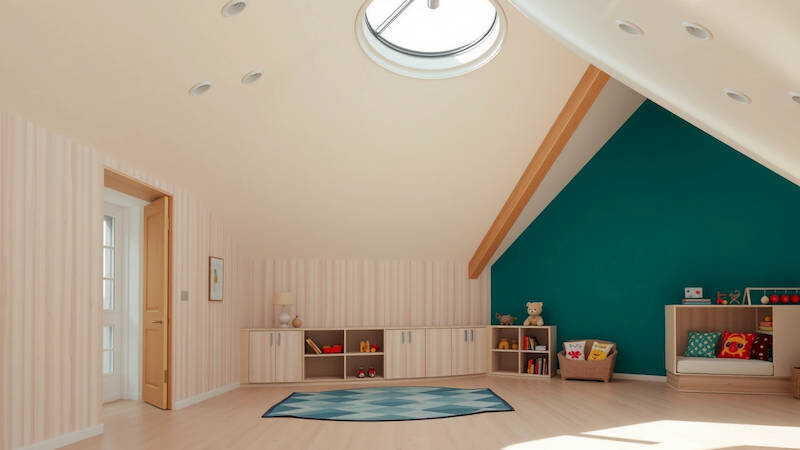
The attic – often a dark, dusty repository of forgotten memories – is increasingly recognized as a valuable extension of living space. As homeownership costs rise and the desire for flexible, multi-functional rooms grows, attic conversions are becoming a popular home improvement choice. While insulation, framing, and flooring are critical components of a successful renovation, often overlooked is the power of natural light. Strategically incorporating skylights into your attic renovation isn't just about aesthetics; it's a fundamental element in transforming a potentially cramped, claustrophobic space into a bright, airy, and inviting room. This article will delve into the myriad benefits of skylights, the different types available, essential installation considerations, potential challenges, and provide practical advice for seamlessly integrating them into your attic conversion project.
Attic conversions offer a significant return on investment, increasing a home's square footage without expanding its footprint. However, a poorly lit attic can feel less like a habitable room and more like an afterthought. Skylights address this issue directly, providing abundant natural light that can dramatically improve the ambiance and functionality of the space. Beyond simply brightening the room, research suggests a strong link between natural light exposure and improved mood, productivity, and overall well-being. According to a study by the Velux Group, access to daylight significantly reduces stress and enhances cognitive function. Utilizing skylights intelligently can turn a usable but unremarkable attic into a vibrant and desirable living area.
- The Multifaceted Benefits of Introducing Skylights to Your Attic
- Navigating the World of Skylights: Types and Features
- Essential Installation Considerations: Structural Integrity and Waterproofing
- Addressing Potential Challenges: Condensation, Leaks and Light Control
- Maximizing Impact: Skylight Placement and Design Integration
- Conclusion: Brightening Your Future with Skylight Integration
The Multifaceted Benefits of Introducing Skylights to Your Attic
The advantages of incorporating skylights extend well beyond the simple provision of light. Think beyond simply seeing better – skylights influence the feeling of a space. One of the most impactful benefits is their contribution to energy efficiency. While initially seeming counterintuitive, properly installed and specified skylights can actually reduce reliance on artificial lighting during daylight hours, contributing to lower electricity bills. Modern skylights often feature high-performance glazing and insulation technologies that minimize heat gain in the summer and heat loss in the winter, further boosting energy savings. Consider that a properly insulated skylight can reduce heating and cooling costs by as much as 10-15% depending on climate and insulation standards.
Furthermore, skylights can drastically alter the perceived size of a room. The upward diffusion of light creates an illusion of height, making the attic feel significantly larger and more open than it actually is. This is particularly valuable in attics with sloped ceilings where headroom may be limited. They also offer unique aesthetic possibilities, creating interesting light patterns and highlighting architectural features. From a design perspective, skylights can focus attention on specific areas, acting almost like a natural spotlight. They can also dramatically improve the overall aesthetic appeal of the room, making it a more inviting and relaxing space.
Finally, and often underestimated, is the benefit of improved ventilation. Many skylights are operable, allowing for natural airflow and the release of warm, stale air. This is especially important in attics which can become notoriously hot in the summer months. This passive ventilation strategy reduces dependence on air conditioning and can create a more comfortable indoor environment.
Navigating the World of Skylights: Types and Features
Choosing the right skylight is crucial for maximizing its benefits and ensuring a successful installation. The market offers a diverse range of options, each with its own strengths and weaknesses. Fixed skylights, as the name suggests, are sealed units designed to provide natural light without ventilation. They are typically the most affordable option and suitable for situations where airflow is not a priority. Vented or operable skylights, however, allow for manual or automatic opening and closing, offering superior ventilation capabilities. These are ideal for attics being used as bedrooms or living spaces where air quality is an important concern.
Beyond the basic functionality, skylights also vary in terms of glazing, materials, and features. Double-paned glass is standard for most modern skylights, offering improved insulation and noise reduction. However, triple-paned glass provides even greater energy efficiency and soundproofing, making it ideal for noisy environments or areas with extreme temperatures. Different frame materials, such as aluminum, wood, and vinyl, offer varying levels of durability, cost, and aesthetic appeal. "Sun tunnels," also known as tubular skylights, are a particularly innovative option for attics where traditional skylight installation is challenging. These utilize highly reflective tubing to channel sunlight from the roof into the room, providing bright, natural light even in areas with limited access.
Finally, special features like integrated blinds, rain sensors (automatic closing), and smart controls (remote operation) can further enhance the functionality and convenience of your skylights. Consider SmartGlass technologies that dynamically tint to control light and heat gain during peak hours. Selecting the appropriate skylight type and features requires careful consideration of your specific needs, budget, and attic's architectural characteristics.
Essential Installation Considerations: Structural Integrity and Waterproofing
Proper installation is paramount to the longevity and performance of your skylights. Cutting into the roof structure inevitably compromises its integrity, so it’s essential to ensure that the surrounding framework is adequately reinforced to support the weight of the skylight and withstand weather conditions. This often requires consulting with a structural engineer to assess the load-bearing capacity of the roof and design appropriate support systems. Failing to do so can lead to structural damage, leaks, and even roof collapse.
Waterproofing is equally critical. Skylights are exposed to the elements, and any compromised seals or flashing can allow water to penetrate the attic, causing mold growth, wood rot, and other costly damage. Meticulous flashing installation is a non-negotiable aspect of the process, ensuring a watertight seal between the skylight and the roof surface. Applying high-quality sealant around the edges of the skylight is also essential. Utilizing a professional roofing contractor with experience in skylight installation is highly recommended. They possess the expertise and tools to ensure a proper, leak-free installation that complies with local building codes.
Before commencing installation, carefully consider the attic's existing insulation and ventilation system. Properly integrating the skylight with these systems is essential to maintain energy efficiency and prevent condensation buildup. Ensure that the insulation extends seamlessly around the skylight frame, eliminating thermal bridges and minimizing heat loss or gain. Adjust the attic’s ventilation to compensate for any changes in airflow caused by the skylight installation.
Addressing Potential Challenges: Condensation, Leaks and Light Control
While skylights offer numerous benefits, they aren’t without potential drawbacks. Condensation can be a common issue, particularly in climates with significant temperature fluctuations. This occurs when warm, moist air comes into contact with the cooler surface of the skylight glass, causing water droplets to form. Proper ventilation and the use of double or triple-paned glass with low-E coatings can mitigate this problem. Leaks, even with professional installation, can occasionally occur due to flashing failures, damaged seals, or extreme weather events. Regular inspections and prompt repairs are crucial to prevent water damage.
Controlling the amount of light entering the attic can also be a challenge, especially during the summer months when the sun is at its peak. Glare and overheating can make the space uncomfortable. Integrating blinds or shades into the skylight is a practical solution. Automated shades can be programmed to adjust based on sunlight intensity, offering optimal comfort and energy efficiency. Furthermore, strategic placement of the skylights is critical. Southern-facing skylights provide the most sunlight but also generate the most heat, while northern-facing skylights offer consistent, diffused light with minimal heat gain.
Addressing these challenges proactively through careful planning, installation, and maintenance will ensure that you enjoy the benefits of your skylights for years to come. Don’t shy away from professional consultation throughout the entire process.
Maximizing Impact: Skylight Placement and Design Integration
The placement of your skylights significantly impacts their effectiveness and aesthetic appeal. Consider the orientation of the attic, the intended use of the space, and the existing architectural features. Placing skylights directly above key areas, such as a seating area or a workspace, will maximize their functional impact. For long, narrow attics, spacing multiple skylights evenly along the ridge line can create a more balanced and inviting atmosphere than concentrating them in a single location.
Beyond functionality, think about how the skylights will integrate into the overall design of the attic. Consider the style of the skylights and how they complement the existing architecture. Sleek, modern skylights work well in contemporary spaces, while more traditional skylights may be better suited for older homes. The surrounding ceiling structure can also be incorporated into the design, creating unique architectural features and highlighting the skylights. Avoiding a jarring visual contrast is key.
Consider the effect that the skylights will have on the exterior of the house. Choose skylights that blend seamlessly with the roofline and don’t detract from the home’s overall curb appeal. A well-planned skylight installation enhances both the interior and exterior aesthetic, adding value and visual interest to your home.
Conclusion: Brightening Your Future with Skylight Integration
Incorporating skylights into your attic renovation is a transformative investment that unlocks the full potential of unused space. By providing abundant natural light, improving energy efficiency, and enhancing the overall ambiance, skylights elevate attic conversions from mere storage areas into functional and desirable living spaces. The benefits extend beyond the aesthetic, influencing mood, productivity, and even your home’s value.
Remember to prioritize careful planning, professional installation, and ongoing maintenance to ensure a successful outcome. Selecting the right skylight type, reinforcing the roof structure, addressing potential challenges like condensation and leaks, and optimizing placement for light and design integration are all crucial steps. Ultimately, a thoughtfully executed skylight installation isn’t just about letting light in – it’s about opening up new possibilities for your home and your lifestyle. Before starting, consult with qualified professionals – architects, structural engineers, and experienced roofing contractors – to navigate the complexities of attic conversions and skylight integration. The result will be a brighter, more inviting, and more valuable home.
Deja una respuesta