
Optimizing Closet Space with Modular Built-In Shelving Systems
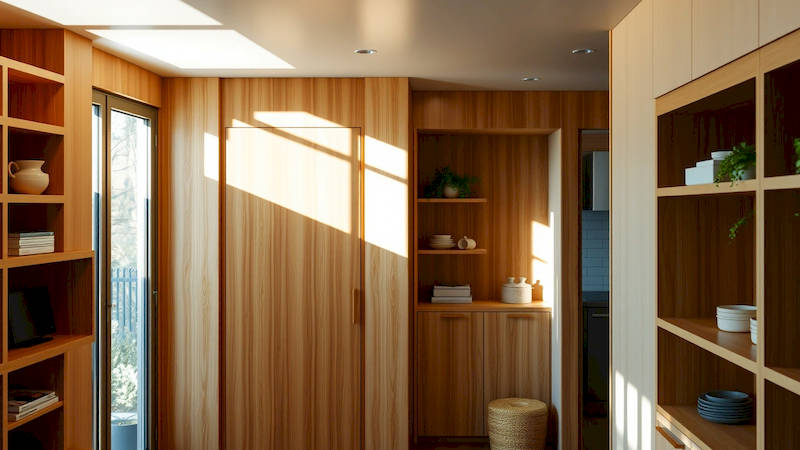
The frustrating reality of many homes is the underutilization of closet space. Often relegated to a chaotic dumping ground for clothes, shoes, and forgotten belongings, the closet represents a significant opportunity for improved organization and a more streamlined living environment. While simple shelving units can offer some improvement, a thoughtfully designed modular built-in shelving system represents a superior solution, maximizing every inch of available space and adapting to evolving storage needs. Modern modular systems are dramatically different than the static, fixed shelving of the past, offering unparalleled flexibility and a customized aesthetic. This article will delve into the world of modular built-in closet shelving, exploring the benefits, design considerations, installation processes, and long-term advantages of investing in this transformative home improvement.
Closets frequently fall into a category of home organization that feels overwhelming. We accumulate items over time, and closets become a symbolic representation of our clutter. However, the problem isn't necessarily a lack of space, but rather a lack of optimized space. A standard closet designed merely with a hanging rod and a single shelf rarely caters to the diverse storage requirements of a modern household. Built-in shelving isn’t a new concept, but the rise of modular systems has revolutionized its appeal, making it more accessible and adaptable for homeowners of all skill levels and budgets. The shift toward intentional living and decluttering has also fueled a demand for elegant, functional, and customizable storage solutions.
Understanding the Benefits of Modular Built-In Systems
Modular built-in shelving systems offer a compelling array of benefits over traditional closet organization methods. The core advantage lies in their adaptability. Unlike fixed shelving, modular systems consist of individual components – shelves, drawers, hanging rods, cubbies – that can be configured and reconfigured to suit changing needs. This is particularly valuable for families or individuals who anticipate lifestyle shifts, like transitioning from workwear to more casual wardrobes, or needing to accommodate seasonal changes in clothing. Furthermore, the ability to customize ensures that every inch of the closet's interior is utilized efficiently.
Beyond adaptability, modular systems significantly enhance the aesthetic appeal of closets. A well-designed system can transform a cramped, dark space into an organized and visually pleasing environment. Materials range from durable melamine and laminate to more luxurious options like solid wood, allowing homeowners to match the system to their overall home decor. The clean lines and customizable configurations offer a more sophisticated look than portable plastic storage bins or overflowing shelves. According to a 2023 survey by the National Association of Home Builders, 78% of prospective homebuyers consider closet space a “very important” or “essential” feature, illustrating the growing recognition of its value.
Finally, consider the long-term investment value. While the initial cost of a modular built-in system may be higher than purchasing standalone shelving units, its durability and potential to increase home value are significant. A professionally installed, well-maintained system can be a major selling point when it comes time to put your house on the market. Customization adds perceived value and can differentiate your home from others in a competitive real estate landscape.
Design Considerations & Planning Your System
Before embarking on the installation, meticulous planning is crucial. Begin by thoroughly assessing your closet’s dimensions, including height, width, and depth. Don’t forget to account for any obstacles like pipes or electrical outlets. Next, analyze your storage needs – how much hanging space do you require, do you need dedicated shoe storage, are drawers essential for folded items, and what about accessories like belts, ties, and handbags? Creating a detailed inventory of your belongings will help determine the optimal configuration.
Sketching a design is the next step. Consider using closet design software or online tools to visualize different layouts. These tools often allow you to input your closet dimensions and experiment with various components. Pay close attention to vertical space. Often, closets extend higher than we typically utilize. Incorporating shelves or drawers near the ceiling can provide valuable storage for less frequently used items. One crucial design factor is accessibility. Ensure that frequently used items are within easy reach, while seasonal or bulk storage can be placed higher up or in less accessible areas. Remember the 80/20 rule – you likely use 20% of your belongings 80% of the time, so prioritize access to those items.
Finally, material selection is important. Melamine and laminate are cost-effective and durable, ideal for high-traffic closets. Solid wood offers a more luxurious aesthetic and greater longevity, but comes at a higher price point. Consider the weight-bearing capacity of the shelving, especially if you plan to store heavy items like books or winter coats. A professional designer or installer can advise you on the best materials and configurations to suit your specific needs and budget.
Installation: DIY vs. Professional
Once you have a detailed design, you need to decide whether to tackle the installation yourself or hire a professional. DIY installation can save money, but it requires a significant level of skill, including precise measuring, cutting, and assembling. It also demands access to the necessary tools, such as power drills, saws, level, and stud finders. If you’re not confident in your carpentry skills, a professional installation is highly recommended. A professional installer will ensure the system is securely mounted, properly aligned, and meets safety standards.
DIY installation typically involves assembling the modular components according to the manufacturer's instructions, then securing them to the closet walls using mounting hardware. Accuracy is critical at every stage. Ensuring that the shelves are level and the components are properly aligned is essential for both aesthetics and functionality. Failing to anchor the system securely to the wall studs can create a safety hazard. Professional installation, on the other hand, generally includes a site visit to assess the closet, precise measurements, assembly, installation, and often, a final inspection to ensure everything is perfect. While more expensive, the peace of mind and quality of workmanship can be invaluable. "A poorly installed closet system can be a disaster waiting to happen," says John Carter, a professional closet designer with 20 years of experience. "Correct installation ensures the system is safe, stable, and will last for years to come."
Maximizing Space with Specific Components
The power of modularity truly shines when you consider the variety of components available. Adjustable shelves are a fundamental element, allowing you to customize the spacing between shelves to accommodate items of different heights. Drawers, available in various sizes, are ideal for folded clothes, undergarments, and accessories. Hanging rods can be double-hung – meaning two levels of hanging space – to double the storage capacity for shirts, blouses, and skirts. Specialized components like tie and belt racks, jewelry organizers, and shoe shelves further maximize space and enhance organization.
Another often-overlooked component is the pull-out hamper. Integrating a hamper directly into the closet system eliminates the need for a separate laundry basket and keeps clutter contained. Consider pull-out shelves for less frequently used items, making them easily accessible without having to reach into dark corners. Lighting is also crucial; adding LED strip lighting inside the closet dramatically improves visibility and makes it easier to locate items. Think beyond just clothing storage. Use cubbies for hobbies, craft supplies or for designated storage that wouldn't normally find a place.
Maintenance and Long-Term Care
Once your modular built-in shelving system is installed, proper maintenance is crucial to ensure its longevity and continued functionality. Regularly dust the shelves and drawers to prevent buildup. Avoid overloading the shelves, as this can cause them to sag or collapse. Inspect the mounting hardware periodically to ensure it remains secure. If you notice any loose screws or bolts, tighten them immediately. Wipe up spills promptly to prevent staining or damage to the materials.
For solid wood systems, apply a protective finish periodically to maintain the wood’s luster and protect it from moisture. For laminate or melamine systems, use a gentle cleaning solution and avoid abrasive cleaners that could scratch the surface. With proper care, a modular built-in shelving system can provide years of reliable storage and enhance the value of your home. Periodic decluttering and reorganizing will also help maintain its effectiveness and prevent the closet from reverting to its former chaotic state.
Conclusion: A Lasting Investment in Organization and Value
Investing in a modular built-in shelving system is more than just a closet makeover; it’s an investment in your home, your lifestyle, and your peace of mind. By leveraging the adaptability, customization options, and durable construction of these systems, you can transform underutilized closet space into a highly functional and organized storage solution. Careful planning, thoughtful design, and either skilled DIY implementation or professional installation are essential components of success.
The key takeaways are to assess your needs, measure meticulously, choose the right materials, and prioritize accessibility. Don't underestimate the power of specialized components and lighting to maximize space and enhance usability. And, finally, remember that maintenance is key to preserving your investment for years to come. By embracing modular built-in shelving, you aren't just organizing belongings; you are creating a more streamlined, efficient, and enjoyable living environment. Taking the time to implement a well-planned system will significantly improve daily life and potentially add substantial value to your home.
Deja una respuesta