
Building Custom Kitchen Cabinets with Hidden Storage Compartments
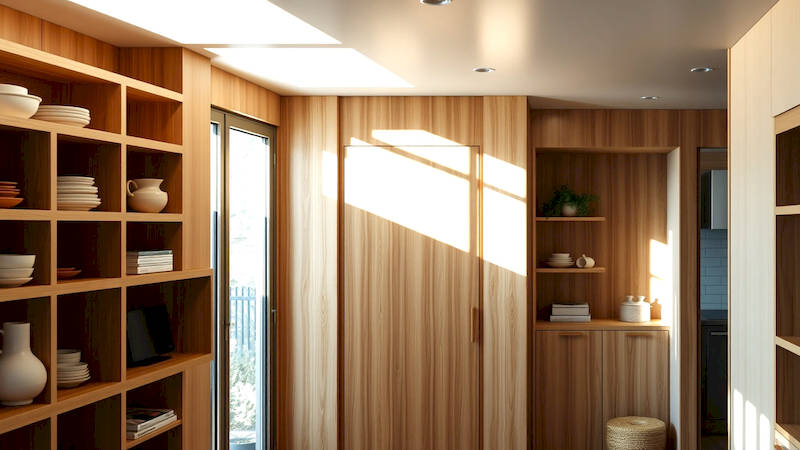
The kitchen – often considered the heart of the home – demands functionality as much as aesthetic appeal. While open shelving and minimalist designs are trending, the desire for a clutter-free space remains universal. This is where custom kitchen cabinetry, particularly with integrated hidden storage, steps in as a game-changer. Beyond simply providing storage, clever design can maximize space, enhance organization, and even add a touch of intrigue to this vital room. This article delves into the world of building custom kitchen cabinets with hidden compartments, equipping you with the knowledge to plan, design, and even undertake this rewarding home improvement project.
The appeal of hidden storage goes beyond mere concealment. It addresses the modern homeowner’s quest for streamlined living, allowing for the discreet organization of less frequently used items, small appliances, or even valuables. From pull-out pantries disguised as decorative panels to secret drawers within drawers, the possibilities are limited only by your imagination and design skill. Investing in custom cabinetry, while initially more expensive than off-the-shelf options, provides a tailored solution that reflects your lifestyle and maximizes the potential of your kitchen space. This is particularly true when incorporating sophisticated hidden storage solutions.
- Planning & Design: Laying the Foundation for Hidden Functionality
- Material Selection: Balancing Durability, Aesthetics, and Cost
- Construction Techniques: Building for Concealment and Strength
- Integrating Hidden Mechanisms: Pull-Outs, False Fronts & Secret Compartments
- Finishing Touches & Hardware: Completing the Illusion
- Conclusion: Maximizing Space & Adding Value with Custom Cabinetry
Planning & Design: Laying the Foundation for Hidden Functionality
The first step in creating custom cabinets with hidden storage is meticulous planning. This isn’t simply about aesthetics; it's about identifying your needs and translating them into a functional design. Consider the “pain points” in your current kitchen storage – what items are difficult to reach, what areas feel cluttered, and what kind of items would benefit from being concealed? Don’t just think about what you'll store; think about how you use the kitchen. A cook who frequently bakes will need different hidden storage solutions than someone who rarely uses their oven. Sketching out your kitchen layout, including all existing dimensions and potential cabinet locations, is crucial. Utilize kitchen design software or even good old-fashioned graph paper.
Once you have a general layout, start brainstorming hidden storage ideas. Popular options include pull-out spice racks disguised as cabinet panels, hidden drawers behind false fronts, and even integrated charging stations concealed within cabinetry. Consider the type of hinges and drawer slides you’ll need to support these mechanisms – soft-close hinges and full-extension drawer slides are highly recommended for a premium feel and enhanced functionality. Furthermore, factor in the weight capacity of your cabinets and the types of materials you’ll be using, ensuring structural integrity, especially when dealing with hidden compartments containing heavier items. “A well-planned kitchen is 26% more efficient in terms of workflow,” says interior design specialist, Sarah Miller, emphasizing the importance of thoughtful design.
Finally, consider the design style of your kitchen. Hidden storage should complement the overall aesthetic, not clash with it. A modern, minimalist kitchen might benefit from sleek, handleless cabinets with integrated push-to-open mechanisms, while a farmhouse-style kitchen could incorporate hidden compartments disguised as wainscoting or decorative panels. Don't forget to factor in accessibility – ensure that hidden compartments are user-friendly and easy to operate.
Material Selection: Balancing Durability, Aesthetics, and Cost
Choosing the right materials is paramount not only for the longevity of your cabinets but also for supporting the added complexity of hidden storage mechanisms. Solid wood, such as maple, oak, or cherry, is a popular choice for its durability and inherent beauty, but it comes with a higher price tag. Plywood, particularly birch or maple plywood, is a more cost-effective alternative that offers excellent strength and stability when properly constructed. MDF (Medium-Density Fiberboard) is often used for painted cabinets, offering a smooth surface, but it’s less resistant to moisture and impact than solid wood or plywood.
For hidden compartments, the material’s ability to support moving parts and withstand repeated use is essential. Thicker plywood or solid wood is generally preferred for drawer boxes and cabinet frames that house hidden mechanisms. Consider the weight of the items to be stored within the hidden compartments when making your material selection. Heavier items will require more robust materials and stronger hardware. Furthermore, explore different finishing options, such as paint, stain, or veneer, to achieve the desired aesthetic. A durable finish is crucial, especially in a kitchen environment, protecting the wood from moisture, grease, and wear and tear.
Don’t underestimate the importance of hardware. High-quality hinges, drawer slides, and locking mechanisms are essential for ensuring smooth operation and long-term reliability of your hidden storage compartments. Soft-close hinges and full-extension drawer slides are worth the investment, providing a luxurious feel and preventing slamming. Magnetic latches or specialized locking mechanisms can be used to secure hidden compartments, adding an extra layer of security and concealment.
Construction Techniques: Building for Concealment and Strength
Building custom cabinets with hidden storage requires precision and a mastery of woodworking techniques. Start with accurate measurements and cutting. Investing in a good quality table saw or having your wood cut to size by a lumberyard will ensure that all pieces fit together properly. Use strong joinery techniques, such as dadoes, rabbets, and pocket screws, to create sturdy cabinet frames. Avoid using staples or nails as the primary fasteners, as they lack the necessary holding power, especially for cabinets with hidden compartments.
Building the hidden storage mechanisms themselves requires additional skill and planning. For example, a hidden drawer within a drawer necessitates constructing a smaller drawer box that slides within a larger one. This requires precise measurements and careful alignment to ensure smooth operation. Consider using a dedicated jig to ensure consistent results. When installing hinges and drawer slides, follow the manufacturer’s instructions carefully and use a level to ensure that they are properly aligned. “Precision is paramount in cabinet making,” explains experienced cabinetmaker, John Davies. “Even a small error can throw off the entire project, especially when dealing with hidden mechanisms.”
Pay close attention to clearances and tolerances. Hidden compartments need adequate space to operate without binding or rubbing against adjacent components. Test the operation of each hidden mechanism multiple times throughout the construction process to identify and fix any issues.
Integrating Hidden Mechanisms: Pull-Outs, False Fronts & Secret Compartments
The heart of this project lies in integrating the hidden storage mechanisms. Pull-out pantries disguised as cabinet panels are relatively straightforward, utilizing heavy-duty pull-out shelves and a face frame that matches the surrounding cabinetry. False fronts, concealing shallow drawers or shelves, require careful attention to alignment and a robust hinge system. The key is to create a seamless appearance, ensuring that the false front blends in perfectly with the surrounding cabinets.
Secret compartments, such as hidden drawers within drawers or compartments behind removable panels, demand more intricate construction. These often involve creating a secondary frame within the primary cabinet frame, with a dedicated set of hinges or slides. Magnetic latches or touch-to-open mechanisms can be used to conceal the access point. Consider using contrasting materials or textures to create visual interest and subtly indicate the presence of a hidden compartment. For example, a slightly different wood grain or a subtle textural variation can hint at the presence of a secret space.
When installing these mechanisms, prioritize smooth operation and durability. Test each mechanism thoroughly to ensure that it can withstand repeated use. Lubricate moving parts as needed to reduce friction and prevent binding. And remember, safety is paramount – secure all hidden compartments properly to prevent accidental openings or injuries.
Finishing Touches & Hardware: Completing the Illusion
Once the cabinet boxes and hidden mechanisms are constructed, it’s time to add the finishing touches. This includes sanding, applying primer, and painting or staining the cabinets. A smooth, durable finish is essential for protecting the wood and enhancing the overall aesthetic. Consider using a high-quality polyurethane varnish for maximum durability and resistance to moisture. Applying multiple coats of finish will provide a deeper, richer look and provide added protection.
Hardware selection plays a crucial role in completing the illusion. Choose knobs, pulls, and hinges that complement the design style of your kitchen and blend seamlessly with the overall aesthetic. For cabinets with hidden compartments, consider using minimalist hardware or concealed hinges to further enhance the sense of mystery. Handleless cabinets with push-to-open mechanisms are a particularly effective way to conceal the presence of hidden storage.
Pay attention to detail. Ensure that all edges are smooth and that all hardware is securely fastened. Caulk any gaps or seams to create a seamless appearance. Finally, step back and admire your handiwork. A well-executed custom cabinet with hidden storage will not only enhance the functionality of your kitchen but also add a unique and sophisticated touch to your home.
Conclusion: Maximizing Space & Adding Value with Custom Cabinetry
Building custom kitchen cabinets with hidden storage compartments is a significant undertaking, but the rewards are well worth the effort. By meticulously planning, selecting high-quality materials, mastering construction techniques, and integrating clever mechanisms, you can create a kitchen that is both beautiful and exceptionally functional. This isn’t just about hiding clutter; it’s about maximizing space, enhancing organization, and adding a unique element of design to your home.
The key takeaways are: careful planning is essential, material selection impacts durability and aesthetics, construction demands precision, and the integration of hidden mechanisms requires ingenuity. Don't be afraid to consult with experienced cabinetmakers or woodworking professionals for guidance and support. Investing in custom cabinetry, particularly with hidden storage, is an investment in the value and enjoyment of your home for years to come. Before starting, consider creating a detailed budget and timeline, as this project can be both time-consuming and costly. Begin with a small project, such as a single cabinet, to build your confidence and refine your skills before tackling larger undertakings.
Deja una respuesta