
Maximizing Small Bedrooms with Custom Built-In Wardrobes
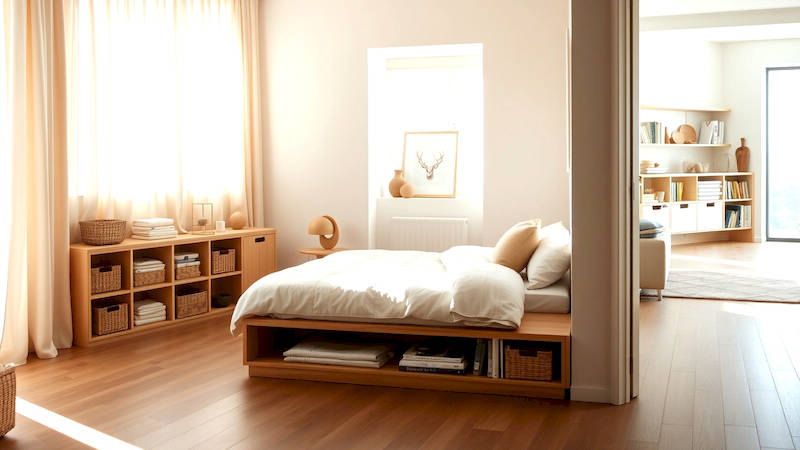
The challenge of small bedroom design is a universally relatable one. In an era where urban living and maximizing space are paramount, many find themselves grappling with limited square footage. This often translates to a struggle to balance aesthetics with functionality, particularly when it comes to storage. Traditional freestanding wardrobes can quickly overwhelm a small room, eating into valuable floor space and creating a cluttered feeling. However, a brilliantly executed solution lies in the power of custom built-in wardrobes. These aren't merely storage units; they are transformative design elements capable of turning cramped bedrooms into organized, airy, and surprisingly spacious havens. This article delves into the world of custom built-in wardrobes, exploring their benefits, design considerations, installation processes, and cost factors, equipping you with the knowledge to unlock the full potential of your small bedroom.
The appeal of built-in wardrobes extends beyond mere space-saving. They offer a level of customization that freestanding furniture simply cannot match. From optimizing height and depth to incorporating specific organizational features like shoe racks, tie holders, or jewelry compartments, the possibilities are virtually endless. Beyond practicality, custom wardrobes enhance a room’s aesthetic appeal, providing a seamless and integrated look that elevates the overall design. Increasingly, homeowners are seeing built-in storage as an investment that boosts property value – according to a recent survey by the National Association of Home Builders, integrated storage solutions are consistently ranked among the most desirable features for potential buyers. This article aims to provide a comprehensive guide to navigating the process of incorporating this impactful feature into your home.
The Advantages of Built-In Wardrobes Over Freestanding Options
While freestanding wardrobes have their place, their limitations become glaringly obvious in smaller bedrooms. The most significant drawback is their footprint. Occupying valuable floor space, they can visually shrink a room and make it feel cramped. Built-in wardrobes, conversely, utilize often-underused vertical space, extending upwards to the ceiling and integrating into the room’s structure. This creates significantly more storage without encroaching on the living area. Furthermore, built-ins eliminate the awkward gaps between furniture and walls that tend to collect dust and clutter. They offer a streamlined, clean aesthetic, contributing to a calmer and more organized atmosphere.
The customization aspect is another key differentiator. Freestanding wardrobes come in standardized sizes and configurations, forcing you to adapt your storage needs to the available options. Custom built-ins are tailored to your precise requirements, taking into account the room’s dimensions, your personal style, and the specific items you need to store. This allows for a far more efficient and aesthetically pleasing solution. Consider a room with a sloped ceiling; a freestanding wardrobe would likely be impractical, whereas a built-in can be designed to perfectly fit the available space, maximizing every inch.
Finally, built-in wardrobes often translate to a higher perceived quality and increased home value. While the initial investment may be higher, the durability and lasting appeal of a well-crafted, custom wardrobe often outweigh the cost in the long run. A 2022 report from Houzz indicated that homeowners who invested in custom storage solutions reported a higher level of satisfaction with their homes and a greater return on investment during resale. This underscores the long-term benefits of choosing a built-in wardrobe over a temporary fix.
Design Considerations for Small Bedroom Wardrobes
Effective design is paramount when planning a built-in wardrobe for a small bedroom. It’s crucial to maximize every inch of space while maintaining a sense of openness and flow. A common mistake is to try and cram too much into a limited area. Instead, prioritize functionality and focus on creating a storage solution that meets your specific needs. Before beginning the design process, carefully assess your storage requirements. What types of clothing do you need to store? How many shoes? Do you require space for accessories, linens, or other items? This assessment will inform the configuration and features of your wardrobe.
Consider the interior layout carefully. Maximizing vertical space with adjustable shelves, hanging rails at different heights, and pull-out drawers can significantly increase storage capacity. Lighting is also critical. Incorporating LED strip lighting inside the wardrobe makes it easier to locate items and creates a more luxurious feel. Mirror integration is another smart design choice. Mirrored doors or panels not only add visual interest but also help to make the room feel larger and brighter, effectively addressing two significant challenges in small bedrooms. Think about utilizing the space efficiently – for example, incorporating shallow drawers beneath hanging space for shoes or folded items.
Materials play a crucial role in both aesthetics and functionality. Opt for durable, high-quality materials that will withstand daily use. Popular choices include MDF (Medium-Density Fiberboard), plywood, and solid wood. Consider the overall style of your bedroom when selecting materials and finishes. A sleek, minimalist design might call for sleek, handleless doors in a neutral color, while a more traditional aesthetic might benefit from paneled doors and a warmer wood finish. Ultimately, the goal is to create a wardrobe that seamlessly integrates into the room’s existing décor.
Installation Process: From Planning to Completion
The installation of a custom built-in wardrobe is a significant undertaking, and meticulous planning is essential. While some experienced DIY enthusiasts may tackle the project themselves, it’s generally recommended to hire a professional carpenter or installation team. This ensures a high-quality finish and minimizes the risk of costly errors. The process typically begins with a detailed site survey, where the installer will take accurate measurements of the room and assess any potential challenges, such as uneven walls or existing electrical wiring.
Next comes the design refinement and finalization phase. Based on your initial requirements and the site survey, the installer will create a detailed plan and typically provide 3D renderings to help you visualize the finished product. Once the design is approved, the wardrobe components are fabricated. This process can take several weeks, depending on the complexity of the design and the availability of materials. During fabrication, it’s essential to maintain consistent communication with the installer to address any questions or concerns.
Finally, the installation phase begins. This involves assembling the wardrobe components, securing them to the walls, and installing doors, drawers, and other features. A skilled installer will carefully conceal any unsightly screws or fixings, ensuring a seamless and professional finish. Post-installation, a thorough inspection should be conducted to ensure everything functions properly and meets your expectations. Expect the entire process, from initial consultation to final inspection, to take anywhere from 4 to 8 weeks, potentially longer for particularly complex designs.
Cost Factors: Budgeting for Your Custom Wardrobe
The cost of a custom built-in wardrobe can vary significantly depending on several factors, including the size of the wardrobe, the materials used, the complexity of the design, and the location of your home. As a general rule, you can expect to pay anywhere from $2,000 to $10,000 or more for a fully installed custom wardrobe. However, these figures are merely estimates, and it’s crucial to obtain quotes from multiple installers to get a more accurate assessment.
Materials are a major cost driver. MDF is the most affordable option, followed by plywood and then solid wood, which is the most expensive. The type of doors and hardware also significantly impacts the price. Simple slab doors with basic handles will be less expensive than paneled doors with ornate hardware. The level of customization also plays a role. Adding features such as shoe racks, tie holders, pull-out drawers, or integrated lighting will increase the overall cost.
Labor costs vary depending on the installer’s experience and location. Typically, labor costs account for around 40-60% of the total project cost. It’s important to choose an installer who is licensed, insured, and has a proven track record of quality workmanship. Don’t be afraid to ask for references and review their previous projects. Remember to factor in potential hidden costs, such as demolition of existing wardrobes, electrical work, or patching and painting walls. A detailed quote should clearly outline all costs involved, leaving no room for surprises.
Beyond Clothing: Maximizing Functionality with Clever Organizational Features
While the primary purpose of a wardrobe is to store clothing, a truly effective custom built-in wardrobe goes beyond the basics. Think about incorporating features that address your specific needs and maximize space utilization. Adjustable shelving is a must-have, allowing you to customize the height and configuration of shelves to accommodate items of different sizes. Pull-out drawers are ideal for storing folded clothes, accessories, or linens, providing easy access and preventing items from being lost in the back of the wardrobe.
Dedicated shoe storage is also essential, especially in smaller bedrooms. Consider slanted shoe racks or pull-out shoe organizers to maximize space and keep your shoes neatly arranged. Tie racks, belt hangers, and jewelry compartments are valuable additions for organizing accessories. For larger bedrooms, consider adding a built-in dressing table with drawers and a mirror. Utilizing the back of the wardrobe doors for storage is another smart space-saving technique. You can install hooks for hanging accessories, a full-length mirror, or shallow shelving for smaller items.
Don’t overlook the importance of lighting. LED strip lighting inside the wardrobe not only improves visibility but also creates a more luxurious feel. Consider installing motion-activated lighting for added convenience. Finally, remember that organization is an ongoing process. Regularly declutter your wardrobe and rearrange items as needed to maintain a functional and organized space.
In conclusion, maximizing space in a small bedroom doesn’t have to mean sacrificing style or functionality. Custom built-in wardrobes offer a powerful solution, transforming cramped quarters into organized, airy, and aesthetically pleasing havens. By carefully considering design elements, planning the installation process, and budgeting effectively, you can unlock the full potential of your small bedroom. Remember to prioritize functionality, maximize vertical space, and incorporate personalized organizational features. The investment in a custom built-in wardrobe is not merely a storage solution; it's an investment in enhancing your living space and improving your quality of life. Taking the time to plan and execute this project thoughtfully will result in a beautiful, practical, and long-lasting addition to your home.
Deja una respuesta