
How to Build Built-In Bathroom Cabinets for Maximum Storage
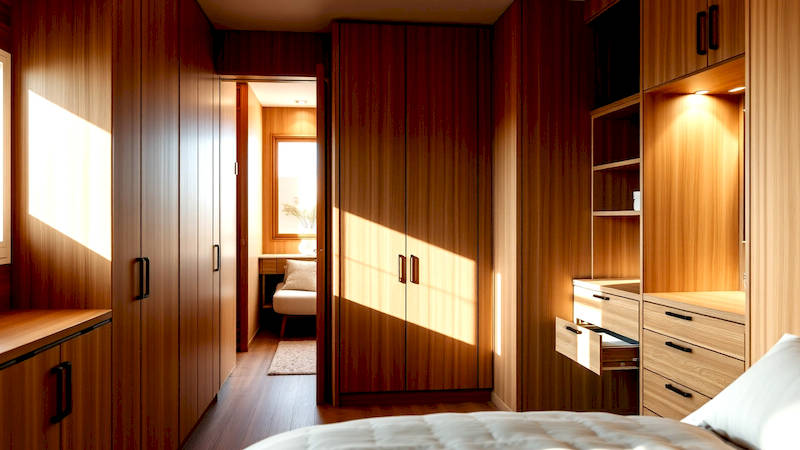
Bathrooms are often the smallest rooms in a house, yet they demand significant storage. From toiletries and towels to cleaning supplies and personal care items, the need for organized space is paramount. While freestanding vanities and cabinets can address some storage concerns, they often waste valuable floor space and don’t always maximize the available area. Building built-in bathroom cabinets offers a powerful solution, allowing you to customize storage to your exact needs and dramatically improve functionality. This article provides a comprehensive guide to designing and constructing built-in bathroom cabinets, covering everything from planning and materials to installation and finishing touches, empowering you to transform your bathroom into a clutter-free, organized haven. The investment of time and effort will be handsomely rewarded with a bathroom that is both beautiful and highly practical.
Built-in cabinets offer a level of customization that pre-fabricated options simply can’t match. They allow you to utilize awkward spaces, like the area around a toilet or under a sloped ceiling, transforming them into valuable storage real estate. Moreover, a cohesive built-in design can elevate the aesthetic of your bathroom, creating a more streamlined and luxurious look. According to a recent study by the National Kitchen & Bath Association (NKBA), bathroom remodels with custom cabinetry see an average return on investment of nearly 70%, making it a smart financial decision as well. This guide will focus on practical, achievable building techniques for the DIY enthusiast, offering detailed guidance through each stage of the project.
- Planning and Design: Laying the Groundwork for Success
- Material Selection: Balancing Durability and Aesthetics
- Building the Cabinet Boxes: The Foundation of Your Storage
- Installing the Cabinets: Securing Your Investment
- Doors, Drawers, and Finishing Touches: Bringing it All Together
- Optional: Incorporating Lighting and Electrical Outlets
- Conclusion: A Bathroom Transformed, A Skill Acquired
Planning and Design: Laying the Groundwork for Success
The first and most crucial step is meticulous planning. Start by accurately measuring your bathroom space, noting any existing plumbing, electrical outlets, and architectural features. Sketch out a rough layout, identifying areas where built-in cabinets can be most effective. Consider what you need to store – toiletries, towels, cleaning supplies, medications, and so on – and design cabinet configurations accordingly. Don't underestimate the power of vertical space; taller cabinets with adjustable shelves can significantly increase storage capacity.
Think beyond just the basic box shape. Incorporate features like pull-out drawers for easy access to items, lazy Susans in corner cabinets, and dedicated shelving for specific items like hair dryers or curling irons. Consider the style of your bathroom and choose a design that complements its overall aesthetic. A modern bathroom might benefit from sleek, frameless cabinets with minimalist hardware, while a traditional bathroom could showcase raised-panel cabinets with ornate detailing. Using 3D modeling software or even simple graph paper can help you visualize the finished product and refine your design before you start building.
Finally, always check local building codes and regulations regarding bathroom renovations, particularly concerning electrical work and plumbing alterations (if any are involved in the project). Proper planning will prevent costly mistakes and ensure a safe, functional, and aesthetically pleasing outcome. One common oversight is neglecting to account for the swing of the bathroom door; ensure that cabinet doors and drawers won’t obstruct the door’s path.
Material Selection: Balancing Durability and Aesthetics
Choosing the right materials is paramount to the longevity and beauty of your built-in bathroom cabinets. Moisture is a constant concern in bathrooms, so materials must be able to withstand humidity and prevent mold growth. Solid wood, while beautiful, can warp or swell with excessive moisture exposure. Therefore, plywood (especially marine-grade or hardwood plywood) is generally a better choice for cabinet boxes, offering superior stability and resistance to warping. For cabinet faces and doors, MDF (Medium Density Fiberboard) provides a smooth, paintable surface but requires careful sealing to prevent water damage.
Consider the finish. A high-quality primer and several coats of semi-gloss or gloss paint work wonders in protecting the wood and making it easier to clean. Alternatively, you could use a waterproof membrane or laminate covering. For hardware, opt for stainless steel or brass, as these materials are resistant to corrosion. The back panels of the cabinets can be made of ¼-inch plywood or beadboard for a more decorative look. It's generally more cost effective to purchase pre-primed lumber and plywood, saving you time and effort in the preparation stage.
Don’t overlook the importance of quality hardware. Soft-close hinges and drawer slides enhance functionality and prevent slamming, while decorative knobs and pulls add a touch of style. A reputable lumber yard or home improvement store can offer guidance on selecting the best materials for your specific project and budget.
Building the Cabinet Boxes: The Foundation of Your Storage
Once you’ve finalized your design and gathered your materials, you can begin building the cabinet boxes. Start by cutting the plywood pieces to the precise dimensions specified in your plans. Precision is key here; even small errors can accumulate and cause problems during assembly. Use a circular saw or table saw for straight cuts and a jigsaw for any curves or intricate shapes. Assemble the boxes using wood glue and screws, ensuring that all corners are square. Clamps are essential for holding the pieces together while the glue dries.
Pay close attention to the joinery. Pocket screw joinery is a quick, strong, and relatively easy method for assembling cabinet boxes, requiring only a pocket screw jig and a drill. Alternatively, you can use traditional butt joints reinforced with corner braces. After the glue has dried, sand all surfaces smooth, removing any rough edges or splinters. Remember to pre-drill screw holes to prevent splitting the wood and to countersink the screws for a clean finish.
A crucial step is adding a toe kick to the base of the cabinets. This provides a comfortable space for your feet and conceals the floor underneath. The toe kick is typically 3-4 inches high and runs along the entire perimeter of the cabinet. Before installing the cabinets, ensure the floor is level; shims can be used to compensate for any unevenness.
Installing the Cabinets: Securing Your Investment
Installing the built-in cabinets requires precision and attention to detail. Begin by locating the wall studs and marking their positions. Use shims to level the cabinets and secure them to the studs using wood screws. Ensure the cabinets are plumb (perfectly vertical) and level (perfectly horizontal) before fully tightening the screws. For cabinets that span a large distance, consider adding a horizontal support beam to distribute the weight and prevent sagging.
When installing cabinets around plumbing or electrical outlets, carefully measure and cut openings to accommodate them. Use a hole saw or jigsaw for precise cuts. Be sure to turn off the power to any electrical circuits before working near wiring. If you’re not comfortable working with electrical wiring, it’s best to hire a qualified electrician. Once the cabinets are securely installed, fill any gaps between the cabinets and the surrounding walls with caulk to create a seamless finish.
Before moving on to the doors and drawers, double-check that all cabinets are level and plumb, as this will significantly impact the proper function of the doors and drawers. A laser level can be an invaluable tool for this task.
Doors, Drawers, and Finishing Touches: Bringing it All Together
With the cabinets securely installed, you can move on to the final stages: installing the doors and drawers and adding the finishing touches. Attach the hinges to the cabinet boxes and the doors, following the manufacturer's instructions. Ensure the doors swing smoothly and align properly. Adjust the hinges as needed to achieve a perfect fit. Install the drawer slides in the same manner, ensuring the drawers glide effortlessly.
Consider adding pull-out shelves and organizers inside the cabinets to maximize storage space and improve accessibility. Paint or stain the doors and drawers to match the existing bathroom décor. Apply several coats of polyurethane or varnish to protect the finish and enhance its durability. Finally, install the hardware (knobs and pulls) and admire your handiwork. A fresh coat of paint on the walls and new lighting can further enhance the overall look of your remodeled bathroom.
To personalize your built-in cabinets, consider adding decorative accents like crown molding, toe kicks, or recessed panels. These details can elevate the aesthetic and create a truly custom look. Carefully consider the style you're aiming for: a simple, modern bathroom will benefit from clean lines, while a more traditional space can embrace ornate detailing.
Optional: Incorporating Lighting and Electrical Outlets
For added convenience and safety, consider incorporating task lighting and electrical outlets into your built-in bathroom cabinets. Under-cabinet LED strip lighting can illuminate countertops and make it easier to find items. Electrical outlets inside the cabinets can be used to power electric toothbrushes, hair dryers, or other personal care devices.
However, electrical work should only be performed by a qualified electrician to ensure it meets local building codes and safety standards. Carefully plan the placement of outlets and wiring to avoid interfering with plumbing or other building components. Use waterproof electrical boxes and wiring for added safety in a moisture-rich environment. Remember to turn off the power to the circuit before working on any electrical connections.
Conclusion: A Bathroom Transformed, A Skill Acquired
Building built-in bathroom cabinets is a challenging but ultimately rewarding project. It requires careful planning, precise execution, and a willingness to learn. The benefits are tangible: maximized storage, improved functionality, and a customized aesthetic that enhances the beauty and value of your home. Remember to prioritize safety, follow building codes, and ask for help when needed. This project is not about achieving perfection on the first try, but rather about embracing the learning process and enjoying the satisfaction of creating something lasting with your own hands.
Key takeaways include the importance of thorough planning, selecting durable and moisture-resistant materials, and focusing on precise assembly and installation. Don’t be afraid to customize the design to fit your specific needs and preferences. With a little patience and effort, you can transform your bathroom into a well-organized and stylish space that you’ll enjoy for years to come. Start with a detailed design, gather your materials, and don’t hesitate to consult online resources or seek assistance from experienced DIYers. Your dream bathroom is within reach!
Deja una respuesta