
Integrating Built-In Wine Racks into Kitchen or Dining Areas
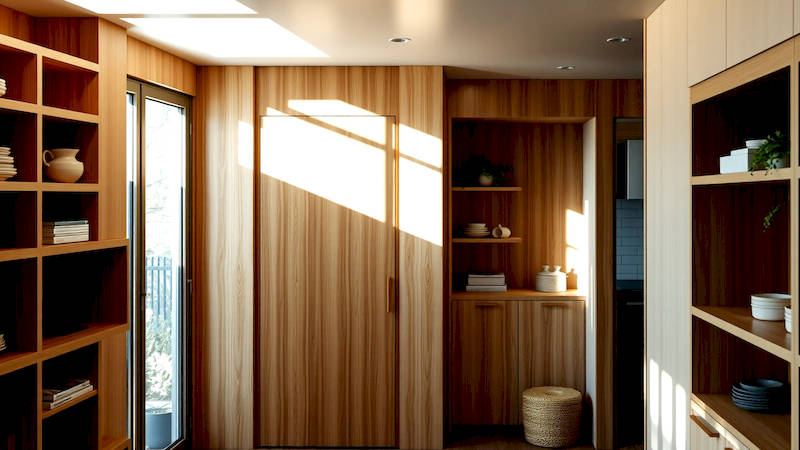
The allure of a well-curated wine collection extends beyond mere consumption; it’s a statement of taste, an invitation to conviviality, and increasingly, a design element within the modern home. For many, the days of a dusty wine storage area are long gone. Homeowners are now prioritizing seamless integration, showcasing their wine as part of the living space. This trend has led to a surge in popularity for built-in wine racks, moving them from dedicated wine cellars to more accessible and visually appealing locations within the kitchen and dining areas. This article delves into the intricacies of incorporating these stylish and functional features into your home, covering design considerations, installation tips, material choices, climate control options, and ultimately, how to create a display that both preserves your investment and enhances your lifestyle. Beyond aesthetics, properly integrated wine storage protects a valuable collection from light, vibration and temperature fluctuations – vital considerations for the serious connoisseur.
The decision to integrate a built-in wine rack is often a balance between practicality and aesthetics. It’s about harmonizing wine storage with the overall design of your home, moving beyond simple utility and towards a focal point that adds sophistication and visual interest. Ignoring this balance can result in a storage solution that feels tacked-on rather than thoughtfully integrated. A successful implementation requires careful planning, consideration of available space, and an understanding of your specific wine storage needs. Factors like bottle count, collection growth, and preferred wine types will all influence the ultimate design. Therefore, prioritizing a deliberate approach, potentially with the guidance of a designer, is critical to maximizing both functionality and aesthetic appeal.
- Assessing Your Space and Wine Storage Needs
- Design Styles and Materials: Matching Aesthetics to Your Home
- Installation Considerations: DIY vs. Professional
- Temperature and Humidity Control: Preserving Your Investment
- Lighting and Display: Showcasing Your Collection
- Beyond the Basics: Customization and Unique Features
Assessing Your Space and Wine Storage Needs
Before diving into design aesthetics, a thorough assessment of your space and wine storage requirements is paramount. This isn't just about how many bottles you currently own, but also anticipating future growth. Consider the physical dimensions of the intended area; is it a nook in the kitchen, a section of the dining room, or a repurposed pantry space? Accurate measurements are crucial for ensuring a seamless fit, and it’s always best to err on the side of slightly larger dimensions to allow for flexibility. Furthermore, analyze the existing architectural features - will the rack be built into a wall cavity, under a staircase, or stand alone as a featured element? These existing elements will dictate the shape and size of your wine rack.
Beyond the physical space, evaluate your wine storage habits. Do you primarily collect red wines, whites, or a mix? Red wines benefit from slightly higher storage temperatures (around 64-68°F) than white wines (around 45-55°F). While maintaining separate temperature zones within a single rack can be complex and expensive, knowing your collection composition influences design selections. Also, consider bottle size variations – will you be storing primarily standard 750ml bottles, or magnums, larger formats, or even champagne bottles? The rack design must accommodate the largest bottles in your collection. Ultimately, a comprehensive inventory of your wine, combined with realistic future collection goals, will form the bedrock of your design process.
Finally, don't underestimate the importance of accessibility. Think about how frequently you access your wine and where you plan to consume it. A rack conveniently located near the dining table or prep area will be far more practical than one tucked away in a remote corner. Prioritizing easy access avoids unnecessary handling and potential bottle disturbance.
Design Styles and Materials: Matching Aesthetics to Your Home
The design possibilities for built-in wine racks are as diverse as the wines they hold. From rustic charm to sleek minimalism, the style choices are vast, and should complement the existing aesthetic of your kitchen or dining area. Traditional designs often feature solid wood construction, ornate carvings, and rich stains, evoking a classic wine cellar vibe. Contemporary designs, on the other hand, lean towards clean lines, metal accents (stainless steel, wrought iron), and minimalist detailing. Glass-fronted racks are popular for both styles, allowing for an elegant display of labels.
Material selection significantly impacts both the look and the longevity of the wine rack. Solid hardwoods like cedar, mahogany, and redwood are excellent choices, offering natural beauty and dimensional stability. Cedar, in particular, is favored due to its resistance to rot and its ability to absorb moisture, creating a favorable environment for long-term wine storage. However, hardwoods can be expensive. Alternatives such as MDF (Medium-Density Fiberboard) and plywood, when properly sealed and finished, provide cost-effective solutions. Metal racks, often constructed from stainless steel or wrought iron, offer a modern and industrial aesthetic. Consider the humidity levels in your environment, choosing materials that won't warp, rust, or deteriorate over time. Expert wine storage consultant, James Greenfield, notes, “Materials are often an overlooked component. Don’t skimp on quality, particularly where wood is concerned, as maintaining consistent humidity is key."
Installation Considerations: DIY vs. Professional
The installation process can vary considerably in complexity, depending on the design and your DIY skill level. Smaller, simpler racks designed to fit within existing cabinetry can often be installed by experienced homeowners. However, more elaborate designs involving structural modifications, such as building into walls or under staircases, are best left to professionals. Incorrect installation can compromise the structural integrity of the rack, potentially leading to bottle breakage or even safety hazards.
If tackling a DIY installation, meticulous planning is critical. Start with a detailed blueprint, ensuring accurate measurements and proper alignment. Use appropriate tools – a level, stud finder, drill, and saw are essential. Pay close attention to weight distribution, especially for larger racks filled with wine. Secure the rack firmly to wall studs or supporting structures to prevent tipping or movement. If opting for professional installation, obtain multiple quotes from reputable contractors and verify their experience with wine rack installations. Remember to discuss all aspects of the project beforehand, including material selection, design details, and potential challenges.
Temperature and Humidity Control: Preserving Your Investment
Maintaining optimal temperature and humidity levels is critical for long-term wine preservation. Excessive heat can accelerate aging, while fluctuations in temperature can cause corks to expand and contract, leading to oxidation. Ideal wine storage temperature lies between 55°F and 65°F, with a relative humidity level of 50-80%. For racks integrated into kitchens, where temperatures can fluctuate significantly, considering a dedicated cooling unit is highly recommended.
There are several options available, ranging from self-contained wine coolers that can be built in alongside the rack to more complex ducted systems that provide consistent temperature control throughout the entire space. "The impact of temperature fluctuations cannot be overstated," explains sommelier and wine educator, Emily Carter. "Even slight variations can significantly alter a wine’s flavor profile over time.” Investing in a reliable temperature and humidity control system is an investment in the longevity and quality of your wine collection. Monitor temperature and humidity levels regularly using a digital thermometer and hygrometer.
Lighting and Display: Showcasing Your Collection
The visual appeal of a built-in wine rack extends beyond the bottles themselves. Thoughtful lighting can dramatically enhance the display, creating a focal point that adds sophistication to the space. LED lighting is the preferred choice, as it produces minimal heat, which is crucial for maintaining a stable temperature. Avoid incandescent lights, as they generate significant heat and can potentially damage the wine.
Consider different lighting techniques, such as recessed spot lighting, strip lighting, or backlighting to highlight the bottles and create visual interest. Properly positioned lighting can accentuate the labels, showcasing your collection as a work of art. Experiment with different color temperatures to achieve the desired effect. Warm white light enhances the richness of red wines, while cool white light complements the vibrancy of white wines. Furthermore, consider the overall aesthetic of your space, ensuring the lighting blends seamlessly with the surrounding décor.
Beyond the Basics: Customization and Unique Features
While standard wine rack designs are readily available, the true potential lies in customization. Incorporating unique features tailored to your personal preferences and collection can elevate the design to the next level. Consider adding a tasting area with built-in counter space and seating, creating a dedicated space for enjoying your wines. Integrating glass displays with custom backlighting can showcase prized bottles or curated selections.
Another option is to incorporate racking for other barware items, such as glassware and decanters, creating a cohesive and functional bar area. For larger collections, consider incorporating multiple zones with varying temperature settings to accommodate different wine types. Finally, don't be afraid to experiment with unique materials and finishes, such as reclaimed wood, metal mesh, or mosaic tiles, to create a truly one-of-a-kind display.
In conclusion, integrating a built-in wine rack into your kitchen or dining area is a sophisticated undertaking that offers both functional storage and a compelling aesthetic enhancement. Success hinges on a meticulous assessment of space and storage needs, a thoughtful selection of design styles and materials, and a commitment to maintaining optimal temperature and humidity controls. Whether opting for a DIY installation or enlisting professional assistance, prioritizing proper planning and execution is key. Remember, a well-designed and properly maintained wine rack is not merely a storage solution; it's a showcase for your passion, an invitation to elevate your entertaining, and an investment in preserving the enjoyment of your cherished collection for years to come. Prioritize quality materials, consider temperature control, and don’t be afraid to personalize the design to reflect your individual style—the result will be a beautiful and functional centerpiece in your home.
Deja una respuesta