
DIY Floating Shelves for Display and Storage in Any Room
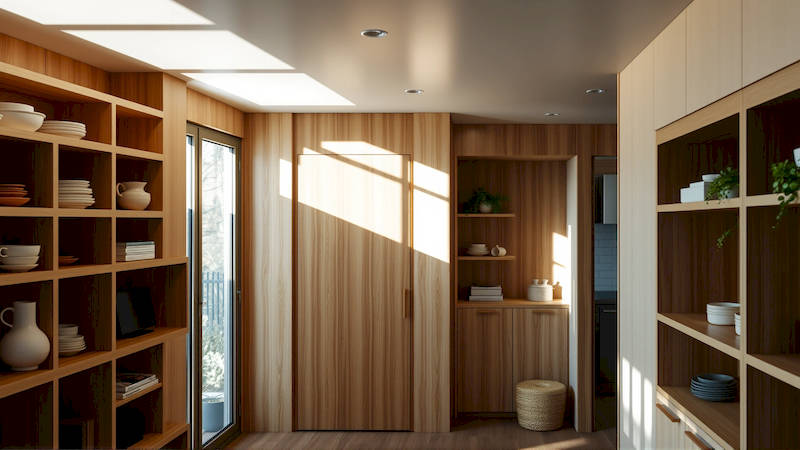
The desire for a clutter-free, aesthetically pleasing home is a universal one. In recent years, minimalist design principles have fueled a surge in popularity for floating shelves, offering a sleek and modern storage solution that maximizes space and adds a touch of sophistication to any room. Beyond their visual appeal, DIY floating shelves empower homeowners to customize storage to their exact needs and preferences, at a fraction of the cost of professionally installed options. This article delves deep into the world of DIY floating shelves, guiding you through the planning, material selection, construction, and installation process, offering insights for beginners and experienced DIY enthusiasts alike. We’ll not only cover the how-to but also the why – exploring the design considerations and weight-bearing principles that ensure a safe and lasting result.
The accessibility of materials, combined with a wealth of online tutorials, has made DIY floating shelves a particularly appealing home improvement project. According to a 2023 report by the Home Improvement Research Institute (HIRI), "do-it-yourself home improvement spending reached $646 billion, with storage solutions ranking among the most popular project categories." This trend highlights not only the economic benefits of DIY, but also the growing desire for personalized and functional living spaces. This comprehensive guide will equip you with the knowledge to tackle this project with confidence, transforming your house into a home that truly reflects your style and needs.
Planning & Design Considerations
Before you even think about picking up a piece of wood, meticulous planning is crucial. Consider the function of the shelf and the items it will hold. Will it be displaying delicate décor, housing heavy books, or serving as a practical storage solution for toiletries? This dictates the depth, length, and, most importantly, the supporting structure required. A shallow shelf (6-8 inches) is ideal for displaying lightweight items like photos or small plants, while a deeper shelf (10-12 inches or more) offers more versatility for larger objects. Length should be proportionate to the wall space and the items you intend to place on it – overly long shelves can appear flimsy if not adequately supported.
Furthermore, think about the aesthetic. Do you want a rustic, farmhouse look, a sleek modern vibe, or something in between? This will influence your wood choice and finish. Consider the surrounding décor and choose colours and textures that complement it. Sketching out your design, including dimensions, will allow you to visualize the finished product and identify potential issues before you begin. A critical element often overlooked is wall stud location. Finding and utilizing wall studs is the safest and most reliable method for securing your floating shelves, especially those intended to hold significant weight. Using a stud finder is a worthwhile investment.
Finally, don’t underestimate the visual weight of the shelf. Darker colours and thicker wood appear heavier, so consider this when choosing materials and designing the overall aesthetic. Applying the principle of thirds (a design guideline where elements are arranged along imaginary lines that divide a space into thirds) can yield particularly appealing results, ensuring a balanced and harmonious look.
Material Selection & Tools Required
Choosing the right materials is paramount to both the aesthetic appeal and structural integrity of your floating shelves. Solid wood, such as pine, oak, or maple, provides durability and a beautiful natural finish. Pine is the most affordable and easiest to work with, but it is softer and prone to denting. Oak and maple are more durable but also more expensive and require more effort to cut and sand. Plywood is a viable alternative, especially for larger shelves, as it's less prone to warping than solid wood. However, exposed plywood edges will need to be addressed with edge banding or a finished look.
Beyond the wood, you'll need a robust mounting system. Hidden bracket systems, specifically designed for floating shelves, are readily available at most hardware stores. These brackets typically consist of metal rods or plates that are inserted into the wood and then secured to the wall studs. Ensure the brackets you select are rated to handle the anticipated weight. You'll also need wood screws (appropriate length for your wood thickness), wall anchors (if you can’t hit studs – use caution with relying solely on wall anchors), wood glue, sandpaper (various grits), wood stain or paint, and a protective finish (polyurethane or varnish).
The tool list includes a stud finder, level, drill (with various drill bits), screwdriver, measuring tape, sander (orbital or hand sanding block), safety glasses, a dust mask, and potentially a circular saw or hand saw for cutting the wood to size. A pocket hole jig can be incredibly helpful for creating strong and invisible joints, although it's not strictly essential. The initial investment in quality tools can significantly improve the quality and ease of the project.
Building the Shelf: Cutting, Sanding & Finishing
Once you have your materials, the construction phase begins. Start by cutting the wood to the desired dimensions. Precision is key here; inaccurate cuts can lead to an uneven and unstable shelf. If you’re using a circular saw, ensure you have a stable work surface and use a guide to ensure straight cuts. After cutting, thoroughly sand the wood, starting with a coarser grit (80-120) to remove any rough edges and imperfections, then moving to a finer grit (180-220) for a smooth finish. Pay particular attention to the edges and surfaces that will be visible.
The finishing process is where you personalize the shelf. Apply wood stain or paint according to the manufacturer's instructions. Multiple thin coats are always preferable to one thick coat, as they minimize drips and ensure even coverage. Allow each coat to dry completely before applying the next. Once the stain or paint is dry, apply a protective finish, such as polyurethane or varnish. This will protect the wood from scratches, moisture, and wear and tear. Again, multiple thin coats are recommended. Remember to lightly sand between coats of finish for optimal smoothness.
Before moving on to installation, dry-fit the shelf to ensure it fits the intended space and that the finish is to your liking. This is your last chance to make any adjustments before permanently securing it to the wall. A final wipe-down with a tack cloth will remove any dust or debris before installation.
Installation: Mounting the Brackets & Securing the Shelf
Proper installation is non-negotiable. Locate the wall studs using a stud finder. Mark their positions clearly on the wall. This is where you'll be securing the hidden brackets. If you're unable to hit studs, strongly reconsider using the shelf for significant weight. While wall anchors can provide some support, they are inherently less reliable than securing directly into a stud. Use high-quality wall anchors rated for the weight you intend to place on the shelf.
Mount the brackets to the wall, ensuring they are perfectly level. Use long screws that penetrate deeply into the studs. For increased stability, use at least two brackets per shelf, and for longer shelves (over 4 feet), consider using three. Once the brackets are securely mounted, carefully slide the shelf over the brackets. If the fit is too tight, lightly sand the inside of the bracket holes. Once the shelf is in place, use screws to secure it to the brackets from underneath. Again, ensure you’ve selected screws of the appropriate length to avoid penetrating the top surface of the shelf.
Double-check that the shelf is level and securely attached before placing any items on it. A simple wobble or an unstable feeling is a clear indication that something is not right and must be addressed before use. To test the strength, apply gentle downward pressure to various points on the shelf.
Weight Capacity & Safety Considerations
Understanding the weight capacity of your DIY floating shelves is paramount to ensuring safety. The weight capacity depends on several factors: the type of wood used, the thickness of the wood, the type of brackets used, and how securely the brackets are attached to the wall studs. As a general rule, solid wood shelves attached to studs can support more weight than plywood shelves attached with wall anchors.
A good rule of thumb is to not exceed 25-30 pounds per bracket, but always consult the manufacturer’s specifications for the brackets you are using. Distribute weight evenly across the shelf to avoid overloading any single point. Avoid placing excessively heavy items near the edge of the shelf.
"Overloading floating shelves is a common mistake, and it can have serious consequences," warns interior designer Sarah Miller, author of Smart Storage Solutions. “Always err on the side of caution and underestimate the weight capacity. It’s better to be safe than sorry.” Regularly inspect the shelves for any signs of loosening or damage. If you notice any issues, immediately remove the items and address the problem before using the shelf again.
Beyond the Basics: Customizations & Alternatives
While the above steps cover the core process, don't be afraid to explore customizations. Consider adding LED strip lighting underneath the shelf for ambient illumination. Edge banding can conceal the plywood edges for a more polished look. Painting the inside edges of the shelf a contrasting color can add visual interest.
If you're uncomfortable with the mounting process or have concerns about weight capacity, consider using a combination of floating shelves and standard bracketed shelves. The floating shelves can provide a sleek aesthetic while the bracketed shelves provide additional support. Alternatively, investigate using thicker wood and heavier-duty brackets for increased stability. Another option is to build a 'false wall' structure behind the shelves to provide additional support - this is a more complex build but suitable for very heavy items.
Conclusion: Floating Shelf Success
DIY floating shelves are an accessible and rewarding home improvement project that enhances both functionality and aesthetics. By meticulously planning your design, selecting high-quality materials, and following the detailed installation instructions outlined in this guide, you can create stunning and practical storage solutions for any room in your home. Remember to prioritize safety by understanding weight capacity limitations and securing the shelves properly to wall studs whenever possible.
The key takeaways are: meticulous planning is crucial, solid installation into studs is the safest approach, and understanding weight limitations is paramount. Don't be afraid to experiment with different materials, finishes, and customizations to create shelves that perfectly reflect your personal style. Now, equipped with this knowledge, it's time to roll up your sleeves and transform your living space with the elegance and practicality of DIY floating shelves. Start small, with a single shelf, and build your confidence as you gain experience. The possibilities are truly endless!
Deja una respuesta