
Using Lazy Susans to Optimize Corner Cabinet Space
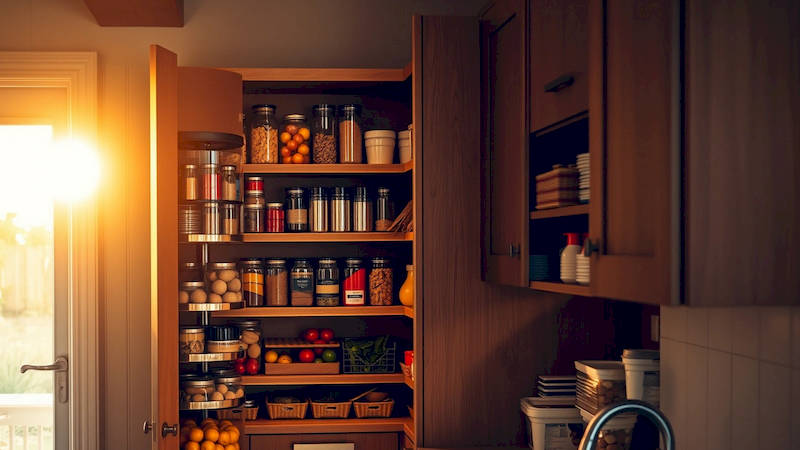
The kitchen is undeniably the heart of the home, a hub of activity and nourishment. However, this central space often faces a common challenge: inefficient use of space. Corner cabinets, in particular, are notorious for becoming black holes where items are stored… and forgotten. Reaching items nestled deep within these angled spaces can be frustrating, leading to wasted food, duplicate purchases, and a generally disorganized kitchen. Thankfully, a simple yet remarkably effective solution exists: the lazy Susan. This article will delve deep into the world of lazy Susans, exploring their benefits, different types, installation considerations, and practical tips for maximizing their potential in your kitchen, transforming frustrating corner cabinets into functional and accessible storage zones.
For decades, homeowners have wrestled with the awkward geometry of corner cabinets. Traditional shelving systems often require extensive reaching, bending, and even removing multiple items just to access something at the back. This not only wastes time but can be a physical strain, especially for individuals with mobility limitations. A 2022 study by the National Kitchen and Bath Association (NKBA) indicated that inefficient storage solutions are a top frustration among homeowners during kitchen renovations, highlighting a clear need for innovative organization tools. The lazy Susan addresses these issues directly, providing 360-degree access and ensuring that every item within the cabinet is easily reachable.
This comprehensive guide will empower you to reclaim your corner cabinet space and create a kitchen that's not only beautiful but also highly functional. We will go beyond simply recommending a product, diving into the nuances of choosing the right lazy Susan for your needs, properly installing it, and maximizing its organizing potential. From full-cabinet solutions to smaller, modular options, we’ll cover everything you need to know to transform a kitchen frustration into a storage triumph.
Understanding the Benefits of Lazy Susans
The primary benefit of a lazy Susan is, quite simply, accessibility. Unlike fixed shelves that force you to reach and strain, a lazy Susan rotates, bringing items to you. This is particularly valuable in corner cabinets, where reaching the back is notoriously difficult. However, the advantages extend far beyond just convenience. Lazy Susans significantly reduce food waste by ensuring you can easily see and utilize all stored items before they expire. This translates to real cost savings over time, preventing the repetitive purchase of duplicates hidden from view. Furthermore, implementing lazy susans is a cost-effective organizational solution, offering a high return on investment when compared to complete cabinet remodels.
Beyond the practical benefits, lazy Susans promote a more organized and visually appealing kitchen. By creating distinct zones within the cabinet, they encourage intentional storage and prevent items from becoming jumbled together. This leads to a more streamlined cooking process and contributes to a calmer, more efficient kitchen environment. Consider the psychological effect of an organized space; it can reduce stress and improve overall well-being. A well-organized kitchen is a happier kitchen, and lazy Susans are a powerful tool in achieving that goal.
Perhaps less obvious, but equally important, is the adaptability of lazy Susans. They’re suitable for a wide array of items, from canned goods and spices to cleaning supplies and even small appliances. This versatility makes them a valuable addition to any kitchen, regardless of size or layout. A well-placed lazy Susan can truly unlock the hidden potential of your corner cabinets, making them a functional and indispensable part of your kitchen.
Exploring the Different Types of Lazy Susans
Lazy Susans aren't a one-size-fits-all solution. They come in a variety of materials, sizes, and configurations to suit different needs and budgets. The most common types fall into three main categories: plastic, metal, and wood. Plastic lazy Susans are the most affordable option, ideal for lightweight items and temporary storage. They are also often dishwasher-safe, making cleaning easy. However, they may not be as durable or aesthetically pleasing as other options. Metal lazy Susans, typically constructed from stainless steel, are known for their strength and durability. They can handle heavier items and are a good choice for frequently used items.
Then there are wood lazy Susans, which offer a more sophisticated look and feel. These can range from simple, unfinished wood to beautifully stained and polished options. They add a touch of warmth and elegance to the kitchen but may require more maintenance than plastic or metal. Beyond the material, consider the type of bearing the lazy Susan uses. Ball bearings offer smooth, quiet rotation, while plastic bearings may be less expensive but also less durable.
Furthermore, you’ll encounter different installation styles. Some lazy Susans are designed to sit directly on the cabinet shelf, while others require mounting to the cabinet floor or sides. Full-cabinet lazy Susans, often referred to as "pie cuts," are large, multi-tiered systems that maximize storage space in large corner cabinets. Modular lazy Susans, on the other hand, are smaller, individual units that can be arranged to fit specific needs. Choosing the right type depends on your budget, the size of your cabinet, and the items you plan to store.
Installation: A Step-by-Step Guide
Proper installation is crucial for ensuring a lazy Susan functions correctly and lasts for years to come. The specific steps will vary depending on the type of lazy Susan you choose, but here's a general guide. First, carefully measure your cabinet to determine the appropriate size of the lazy Susan. It's best to leave a small gap around the edges to allow for smooth rotation. Next, clean the cabinet shelf thoroughly. Any debris or residue can interfere with the smooth spinning action.
If you're installing a shelf-sitting lazy Susan, simply place it on the shelf, ensuring it's centered. If you require mounting, follow the manufacturer's instructions carefully. This typically involves drilling pilot holes and securing the lazy Susan with screws. Be sure to use the correct type of screws for your cabinet material to avoid damaging it. When installing a full-cabinet lazy Susan, you may need to remove existing shelves and install support brackets. This is a more involved process and may require some DIY experience or professional assistance. Always prioritize safety when using power tools, ensuring you're wearing eye protection and following all safety guidelines.
After installation, test the rotation to ensure it's smooth and free of obstructions. If you encounter any resistance, double-check the installation and make adjustments as needed. Consider adding a non-slip mat underneath the lazy Susan to prevent it from sliding around. Proper installation will not only ensure optimal functionality but also extend the life of your investment.
Maximizing Your Lazy Susan Space: Organizing Tips
Simply installing a lazy Susan isn’t enough; you need to organize effectively to truly reap the benefits. Categorization is key. Group similar items together - all baking supplies in one section, all canned goods in another, and so on. This makes it easy to find what you need quickly and efficiently. Utilize containers and baskets to further organize items within each section. Clear containers allow you to easily see the contents, while baskets are great for concealing clutter.
Consider the weight distribution. Place heavier items closer to the center of the lazy Susan to improve stability and rotation. Lighter items can be placed around the perimeter. Also, think vertically! Use tiered shelving inserts to maximize vertical space within the lazy Susan, allowing you to store more items in a smaller footprint. Don’t forget to label your containers and sections. This will help you maintain organization and ensure everyone in the household knows where things go.
A 2023 article in Better Homes & Gardens emphasized the importance of “first in, first out” rotation when organizing food items. Place older items at the front of the lazy Susan, so they are used first, minimizing waste. Regularly assess your lazy Susan organization and make adjustments as needed. As your needs change, your organization system should adapt to meet them.
Beyond the Kitchen: Unexpected Uses for Lazy Susans
While primarily associated with kitchen organization, the versatility of lazy Susans extends far beyond the culinary realm. In the bathroom, a lazy Susan can be a game-changer for organizing toiletries, cosmetics, and medications. It provides easy access to all your essentials, eliminating clutter and making your morning routine more efficient. In a home office, a lazy Susan can be used to organize desk supplies, such as pens, pencils, paperclips, and notepads. It keeps everything within reach and prevents your desk from becoming cluttered.
Another creative application lies in crafting rooms. Imagine having all your paints, brushes, and tools rotating at your fingertips! Even in the living room, a lazy Susan can be used to display decorative items, such as candles, figurines, or small plants. It adds a touch of dynamism to your décor and allows you to easily rearrange your displays. This adaptability demonstrates the true value of the lazy Susan as a versatile organizational tool that can benefit any room in the house.
Conclusion: Reclaiming Your Corner Cabinets
Lazy Susans offer a remarkably effective solution to the long-standing problem of inefficient corner cabinet space. By providing 360-degree access, they transform frustrating storage zones into functional and accessible areas. Investing in the right type of lazy Susan, installing it correctly, and implementing a thoughtful organization system can significantly improve your kitchen workflow, reduce food waste, and enhance your overall cooking experience. From plastic, affordable options to high-end wooden designs, there's a lazy Susan to suit every budget and aesthetic preference.
The key takeaways from this guide are to prioritize categorization, utilize containers, consider weight distribution, and regularly assess your organization system. Beyond the kitchen, remember the versatility of this tool – it can be implemented across numerous rooms to enhance organization and reduce clutter. Don't let your corner cabinets remain black holes any longer. Embrace the power of the lazy Susan and start enjoying a more organized, efficient, and enjoyable kitchen today! The small investment of time and resources will yield significant returns in terms of convenience, cost savings, and peace of mind.
Deja una respuesta