
Smart Use of Vertical Space in Tall Pantry Cabinets
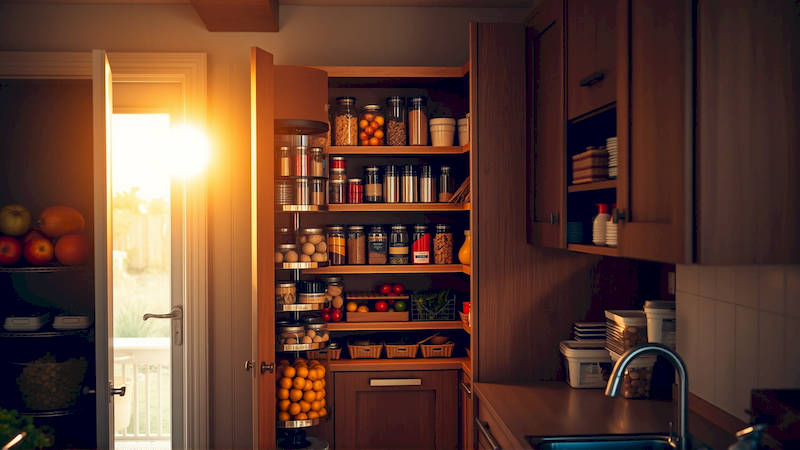
The kitchen pantry. For many, it’s a cavern of potential, yet often descends into a chaotic landscape of half-used ingredients, forgotten snacks, and a general sense of disarray. A significant portion of modern kitchens feature tall pantry cabinets, offering considerable storage capacity – but that capacity is frequently underutilized. Simply stacking items on top of each other doesn't harness the true potential of this vertical real estate. Effective pantry organization isn’t just about aesthetics; it's about saving time, reducing food waste, and creating a more efficient and enjoyable cooking experience. This article will delve into the best strategies for maximizing vertical space within your tall pantry cabinets, transforming them from frustrating black holes into organized powerhouses.
The challenge lies in overcoming the inherent difficulties of accessibility. Items placed on high shelves become lost to view, quickly expiring or becoming entirely forgotten. Similarly, deep shelves create a ‘lost item’ zone at the back. Ignoring the principles of vertical organization, therefore, results in wasted space, duplicated purchases, and a general feeling of kitchen clutter. Fortunately, a combination of strategic shelving, smart containers, and thoughtful arrangement can unlock the full possibilities of your pantry.
Ultimately, a well-organized pantry directly impacts your budget, health, and time. Reducing food waste alone can lead to significant savings, while easy access to healthy ingredients encourages better cooking habits. Let’s explore how to make your tall pantry work for you, not against you.
- The Foundation: Adjustable Shelving & Initial Assessment
- Utilizing Shelf Risers & Stackable Containers
- Door Storage: The Often-Forgotten Frontier
- Implementing the "First In, First Out" (FIFO) System
- Tiered Organizers & Can Dispensers: Level Up Your Accessibility
- Thinking Outside the Box: Uncommon Storage Solutions
- Conclusion: A Pantry Transformed – Key Takeaways and Next Steps
The Foundation: Adjustable Shelving & Initial Assessment
The first step in vertical pantry mastery is ensuring your shelving is working in your favor. Fixed shelves are often spaced poorly for standard grocery items, resulting in wasted vertical space between layers. Investing in adjustable shelving, or adding aftermarket shelf risers, is crucial. Many home improvement stores offer kits specifically designed for pantry makeovers, providing a variety of shelf sizes and configurations. Analyze your typical pantry contents before making adjustments. What’s frequently used? What’s bulky? What’s small and easily lost?
This initial assessment should encompass not just what you store, but how you store it. Categorize your items – baking supplies, canned goods, snacks, breakfast foods, etc. – grouping similar items together. A detailed inventory can bring shocking revelations; you might discover multiple nearly-empty boxes of pasta or a collection of spices you’ve never used. Purging expired items and consolidating duplicates is a crucial first step, creating more usable space before you even begin organizing. Don’t underestimate the power of a good clear-out.
Consider the height of the individuals who regularly use the kitchen. Higher shelves should be reserved for less frequently used items or those that are lightweight. Reaching for a heavy appliance on a high shelf is a recipe for disaster. Finally, think about shelf depth. Very deep shelves benefit from pull-out drawers or tiered organizers to prevent items from disappearing into the abyss. Remember, accessibility is paramount.
Utilizing Shelf Risers & Stackable Containers
Once your shelving is optimized, it’s time to introduce aids that further maximize vertical space. Shelf risers are inexpensive and remarkably effective. They create an instant second tier on each shelf, allowing you to see and access items that would otherwise be hidden behind taller containers. This is particularly useful for canned goods, spice jars, and smaller packaged items. They are available in a variety of materials, from plastic to wire to bamboo, so choose materials to match your aesthetic and budget.
The choice of containers is equally important. Invest in clear, stackable containers of varying sizes. The clear material ensures you can easily identify the contents without needing to open each one. Stackable containers make use of the full vertical height of the shelves, rather than letting space go to waste between unevenly sized packages. Dry goods like flour, sugar, pasta, and cereal are ideal candidates for containerization. Look for containers with airtight seals to maintain freshness and prevent pantry moths.
Consider using containers with labels! Even though they are clear, a uniform labeling system will enhance organization and make it easy for everyone in the household to find what they need. Expert organizer Marie Kondo advocates for “vertical storing” in her KonMari method, explaining that "standing items upright makes it easier to see everything at a glance and choose what you need." Stackable containers are a tangible way to implement this principle.
Door Storage: The Often-Forgotten Frontier
The inside of your pantry door is often a significantly underutilized space. Installing door racks or over-the-door organizers instantly adds valuable storage capacity. These are particularly well-suited for smaller items like spices, condiments, snack bars, and cleaning supplies. Look for organizers with adjustable shelves or pockets to accommodate items of different sizes.
Pay attention to the weight capacity of your pantry door and the hinges. Overloading the door with heavy items can cause it to sag or even become detached. Avoid placing excessively heavy items on door storage, prioritizing lighter items like spice bottles or packets of seasonings. Magnetic spice tins are another excellent solution for door storage, attaching directly to a metal pantry door and freeing up valuable shelf space.
The key to effective door storage is visibility and accessibility. Choose organizers that allow you to easily see what's stored within them. Clear plastic pockets or open shelving are preferable to opaque containers. Remember, the goal is to make use of this space, not to create another hidden storage area.
Implementing the "First In, First Out" (FIFO) System
Maximizing vertical space is only half the battle; maintaining organization is equally important. The “First In, First Out” (FIFO) system is essential for minimizing food waste and ensuring you’re using the oldest products first. When restocking, always place new items behind older items. This simple practice prevents older items from being forgotten at the back of the pantry.
This principle extends beyond just packaged foods. For example, when using canned goods, rotate the cans so the oldest date is facing forward. Similarly, when adding new spices, bring the older spices to the front. Visual cues are helpful; you could even use colored stickers to indicate expiration dates. Implement a regular pantry check to remove expired items and identify items that are nearing their expiration dates.
According to a 2021 study by the USDA, an estimated 30-40% of the food supply in the United States is wasted. Implementing and maintaining a FIFO system can significantly reduce your contribution to this statistic. It's a small change that yields substantial economic and environmental benefits.
Tiered Organizers & Can Dispensers: Level Up Your Accessibility
For items that are difficult to see when stacked, tiered organizers are a game-changer. These organizers create a stepped display, allowing you to see every item at a glance. They are particularly effective for canned goods, spices, and condiments. Choose organizers with a sturdy base to prevent tipping. Look for organizers that are specifically designed to fit the depth of your pantry shelves.
Can dispensers are another excellent solution for maximizing space and accessibility. They hold multiple cans in a vertical orientation, allowing you to easily rotate stock and access the oldest cans first. Many can dispensers are also stackable, further increasing storage capacity. These come in a variety of materials, and some even have built-in dividers for different can sizes.
Remember, the goal is to create a pantry where everything has a designated place and is easily accessible. Tiered organizers and can dispensers are valuable tools for achieving this goal. They help to prevent items from being lost in the back of the pantry and encourage a FIFO system.
Thinking Outside the Box: Uncommon Storage Solutions
Don't limit yourself to traditional pantry organizers. Think creatively about how you can utilize vertical space in unexpected ways. For example, magazine holders can be used to store foil, plastic wrap, and baking sheets. Over-the-cabinet hooks can be used to hang measuring cups and spoons. Wire baskets can be attached to the sides of shelves to create additional storage for small items.
Consider using vertical dividers to separate snacks or create zones for different food groups. These dividers can be made from cardboard, plastic, or even repurposed materials. Utilize wall space – if possible – with floating shelves to add even more storage. The key is to look at your pantry with a fresh perspective and identify opportunities to maximize every inch of space.
"Good design is making something invisible," says Ilse Crawford, a renowned interior designer. This applies perfectly to pantry organization – a well-organized pantry should feel effortless, with everything in its place and readily accessible. Getting creative with storage solutions is a crucial aspect of achieving this "invisible" design.
Conclusion: A Pantry Transformed – Key Takeaways and Next Steps
Effectively utilizing vertical space in tall pantry cabinets isn't merely about tidiness, it’s about optimizing a significant resource within your home. By investing in adjustable shelving, employing smart containers and shelf risers, and embracing the FIFO system, you can transform your pantry from a source of frustration into a haven of organization. Remember the power of door storage, tiered organizers, and thinking outside the box to discover unexpected solutions.
The benefits extend far beyond a visually appealing pantry. You will reduce food waste, save money, streamline meal preparation, and create a more efficient and enjoyable kitchen experience. As a first step, conduct a thorough pantry assessment, purging expired items and categorizing remaining contents. Then, implement adjustable shelving and begin investing in clear, stackable containers. Finally, commit to regular pantry maintenance to ensure continued organization and to fully capitalize on your expanded storage space. A well-organized pantry – it’s an investment in your home, your health, and your peace of mind.
Deja una respuesta