
Eco-Friendly Storage Options for Sustainable Kitchens
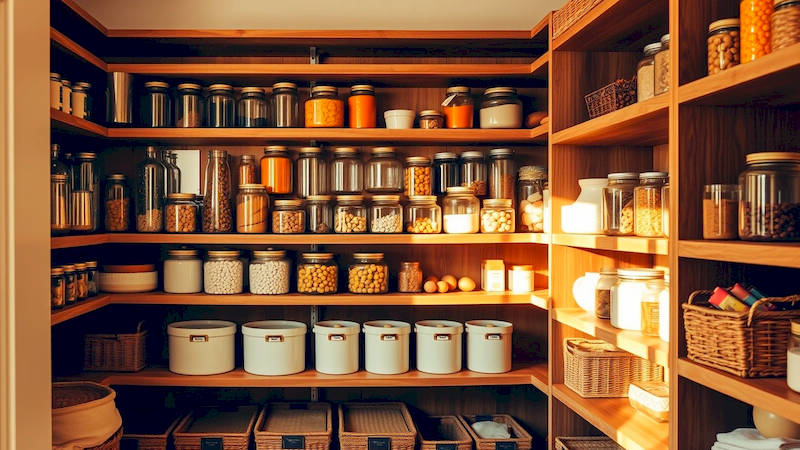
The modern kitchen, often touted as the heart of the home, can ironically also be a hub of waste. From food packaging to single-use plastics masquerading as ‘organization’ solutions, the accumulation of non-biodegradable materials in our pantries and cabinets is a significant concern. As awareness of environmental impact grows, more homeowners are seeking sustainable alternatives – not just in what they store, but how they store it. This isn't merely a trend; it's a conscious shift towards creating a kitchen that reflects a commitment to both functionality and responsibility. Embracing eco-friendly storage doesn't mean sacrificing convenience or aesthetics. Rather, it presents an opportunity to revamp your kitchen organization while minimizing your ecological footprint.
The benefits extend beyond simply reducing plastic waste. Utilizing natural, reusable, and ethically sourced storage solutions can improve food freshness, reduce exposure to harmful chemicals often found in plastics, and contribute to a healthier home environment. Furthermore, many eco-friendly options are durable and long-lasting, representing a cost-effective investment in the long run. This article will explore a variety of eco-friendly storage solutions for your kitchen, offering practical advice and actionable steps to create a sustainable and beautifully organized space. We'll delve into materials, practical applications, and consider how to transition to a more environmentally conscious pantry and cabinet system.
- The Rise of Natural Materials: Glass, Wood, and Bamboo
- Ditch the Plastic Wrap: Beeswax Wraps and Fabric Covers
- Repurposing & Upcycling: Giving New Life to Existing Items
- Choosing Sustainable Container Materials: Stainless Steel & Bioplastics
- Organizing for Longevity: Reducing Food Waste & Extending Freshness
- Transitioning to a Sustainable Pantry: A Step-by-Step Guide
- Conclusion: A Kitchen that Nourishes Body and Planet
The Rise of Natural Materials: Glass, Wood, and Bamboo
For decades, plastic containers have dominated the kitchen storage landscape, prized for their affordability and lightweight nature. However, the environmental cost of plastic production and its persistence in landfills is undeniable. Switching to natural materials like glass, wood, and bamboo offers a compelling alternative. Glass jars, readily available and endlessly recyclable, are excellent for storing dry goods like pasta, rice, and flour. They’re also non-porous, meaning they won’t absorb odors or stains, and allow you to easily see the contents without labeling.
Wood, particularly bamboo (which is technically a grass and incredibly fast-growing), is ideal for constructing pantry shelving, drawer dividers, and even container lids. Bamboo's inherent strength and naturally antibacterial properties make it a hygienic and sustainable choice. Look for bamboo products sourced from sustainably managed forests, certified by organizations like the Forest Stewardship Council (FSC). Investing in wooden or bamboo storage solutions feels tangibly different from plastic; they bring a warmth and natural aesthetic to the kitchen while contributing to a more responsible lifestyle. A significant study by the Ellen MacArthur Foundation found that shifting towards circular economy principles – including increased use of bio-based materials like wood and bamboo – could drastically reduce plastic waste.
Consider the versatility of wooden crates and boxes. Salvaged or repurposed crates can be transformed into stylish and functional pantry shelving or organizers for fruits and vegetables. This approach not only reduces waste but also adds a unique, rustic charm to your kitchen. When choosing wooden storage, ensure it's treated with food-safe finishes, avoiding harsh chemicals or varnishes.
Ditch the Plastic Wrap: Beeswax Wraps and Fabric Covers
Plastic wrap and aluminum foil are notorious contributors to household waste. Thankfully, there are fantastic alternatives that effectively preserve food while being kind to the planet. Beeswax wraps, made from cotton infused with beeswax, jojoba oil, and tree resin, are a reusable and biodegradable alternative to plastic wrap. They mold easily around containers, cover bowls, or wrap fruits and vegetables, keeping them fresh for longer.
Fabric bowl covers, often featuring elastic edges, are another excellent choice. These are particularly useful for covering rising bread dough or fermenting foods. Choose organic cotton or linen fabrics, as conventional cotton production often involves heavy pesticide use. These fabric alternatives are easy to wash and reuse, saving you money and reducing your environmental impact. “A single beeswax wrap can replace hundreds of rolls of plastic wrap,” says Sarah Jones, founder of Bee Green Wraps, a leading producer of sustainable food wraps.
Beyond wraps, consider reusable silicone lids as an alternative to plastic container lids. They are flexible, durable, and create an airtight seal, extending the freshness of leftovers. When cleaning both beeswax wraps and fabric covers, avoid hot water and harsh detergents as these can damage the material. Gentle hand washing with cool water and mild soap is best.
Repurposing & Upcycling: Giving New Life to Existing Items
Before heading to the store to purchase new storage solutions, take inventory of what you already have. The principles of reduce, reuse, and recycle are particularly relevant here. Glass jars from pasta sauce, jam, or pickles can be thoroughly cleaned and repurposed for storing dry goods, spices, or homemade condiments. Old coffee cans can become organizers for utensils or baking supplies.
Upcycling also extends to more significant items. Old drawers can be repurposed as under-cabinet storage organizers or repurposed for open shelving. Worn-out linens can be transformed into produce bags. The key is to look at existing items with a fresh perspective and consider how they can be adapted for new purposes. This not only reduces waste but also encourages creativity and adds a personal touch to your kitchen organization.
The "zero waste" movement strongly advocates for repurposing, emphasizing that the most sustainable option is always to utilize what you already have. This approach reduces demand for new products, conserving resources and reducing landfill waste. Think beyond the kitchen – old baskets or containers from other areas of your home can find a new purpose in your pantry or cabinets.
Choosing Sustainable Container Materials: Stainless Steel & Bioplastics
While glass, wood, and bamboo are excellent choices, certain situations may call for containers with lids or more portable storage options. In these cases, stainless steel and carefully vetted bioplastics become viable options. Stainless steel containers are incredibly durable, non-toxic, and recyclable. They are ideal for storing leftovers, packing lunches, and traveling. Look for food-grade stainless steel to ensure safety and quality.
Bioplastics, derived from renewable biomass sources such as corn starch or sugarcane, offer a potential alternative to traditional petroleum-based plastics. However, it’s crucial to be discerning when choosing bioplastics. Not all bioplastics are created equal. Some require industrial composting facilities to break down effectively, while others are not biodegradable at all. Look for bioplastics certified by reputable organizations like the Biodegradable Products Institute (BPI). “The term ‘bioplastic’ can be misleading,” warns Dr. Eleanor Vance, a sustainable materials researcher. “Consumers need to understand the specific type of bioplastic and its end-of-life requirements.”
While bioplastics are a step in the right direction, reducing overall plastic consumption remains the priority. Using stainless steel where possible and prioritizing truly compostable materials are the most effective strategies.
Organizing for Longevity: Reducing Food Waste & Extending Freshness
Eco-friendly storage isn’t just about the containers themselves; it’s also about how you use them. Proper organization plays a critical role in reducing food waste and extending the shelf life of your ingredients. The First-In, First-Out (FIFO) method is a simple yet effective strategy: place older items at the front of your pantry and newer items at the back. Use clear containers so you can easily see the contents and avoid buying duplicates.
Proper ventilation is also crucial. For produce, use breathable storage bags or containers. Avoid sealing fruits and vegetables in airtight containers, as this can accelerate spoilage. Dedicated produce drawers in your refrigerator are designed to maintain optimal humidity levels for different types of fruits and vegetables.
Consider investing in a vacuum sealer to extend the shelf life of leftovers and certain ingredients. Vacuum sealing removes air, preventing oxidation and freezer burn. While vacuum sealers consume energy, the reduction in food waste often outweighs the environmental cost. According to the USDA, an estimated 30-40% of the food supply is wasted, contributing significantly to greenhouse gas emissions. Efficient storage and organization are vital components of reducing this waste.
Transitioning to a Sustainable Pantry: A Step-by-Step Guide
Switching to eco-friendly storage doesn't have to happen overnight. Start small and make gradual changes. Begin by replacing plastic wrap with beeswax wraps or fabric covers. Next, swap out plastic containers for glass jars or stainless steel options. Gradually incorporate wooden or bamboo organizers as needed. The key is to focus on replacing items as they wear out or become unusable, rather than discarding perfectly good plastic containers.
Don't be afraid to embrace DIY projects. Repurposing jars and containers is a cost-effective and rewarding way to reduce waste. Finally, educate yourself about different sustainable materials and choose products from companies committed to ethical and environmentally responsible practices.
Conclusion: A Kitchen that Nourishes Body and Planet
Creating a sustainable kitchen through eco-friendly storage is a powerful step towards reducing your environmental impact and fostering a healthier lifestyle. By embracing natural materials, repurposing existing items, and organizing for longevity, you can transform your pantry and cabinets into a testament to mindful living. The shift isn’t about perfection; it’s about progress. It’s about making conscious choices that prioritize sustainability without sacrificing convenience or aesthetics.
Key takeaways: prioritize glass, wood, and bamboo; ditch plastic wrap in favor of beeswax wraps and fabric covers; embrace repurposing and upcycling; research bioplastic certifications carefully; and implement efficient organization strategies to minimize food waste. The move to eco-friendly kitchen storage isn’t simply a trend—it is a fundamental aspect of building a more sustainable future, one pantry and cabinet at a time. Start today with one small change, and experience the satisfying feeling of nourishing both your body and the planet.
Deja una respuesta