
DIY Desk Organizer Projects to Maximize Drawers and Surfaces
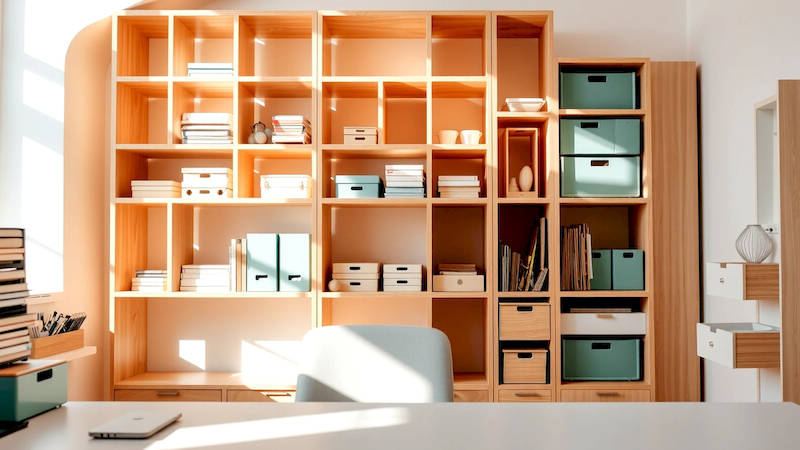
The modern home office, for many, is no longer a dedicated room but an integrated space within the broader living environment. This shift demands ingenuity in organization, especially given the increasing demands on our work-from-home setups. A disorganized workspace isn’t just aesthetically displeasing; it demonstrably impacts productivity, increases stress levels, and can even hinder creativity. Studies from Princeton University Neuroscience Institute show that clutter competes for our attention, reducing our ability to focus and process information effectively. Investing in an organized workspace isn't a luxury, it’s a strategic move for well-being and professional success. Fortunately, you don’t need to spend a fortune on expensive store-bought solutions. This article will explore a variety of DIY desk organizer projects designed to maximize both drawer space and surface areas, transforming your chaotic workspace into an efficient and inspiring haven.
The beauty of DIY organization lies in its adaptability. Pre-made organizers often come with limitations in size, shape, and customization. Crafting your own allows for a solution perfectly tailored to your specific needs, existing décor, and available space. Furthermore, DIY projects offer a sense of accomplishment and creative expression often missing in simply purchasing items. From upcycling everyday materials to implementing clever storage hacks, we'll delve into projects suitable for varying skill levels, budgets, and aesthetic preferences. This isn't simply about hiding the mess; it’s about designing a system that fosters a more productive and enjoyable work environment.
- Repurposing Cardboard Boxes: The Budget-Friendly Solution
- Drawer Dividers from Recycled Materials
- Upcycled Can Organizers: A Rustic Chic Option
- Hanging File Folder System: Vertical Space Utilization
- Magnetic Strip Solutions: Clever Cable Management and Supply Storage
- Decorative Boxes and Baskets: Concealing and Containing
- Conclusion: A Personalized Path to Productivity
Repurposing Cardboard Boxes: The Budget-Friendly Solution
Cardboard boxes, notorious for piling up after deliveries, are surprisingly versatile building blocks for desk organization. Forget immediate recycling – these can be transformed into surprisingly stylish and functional storage solutions with minimal effort and cost. The key is to think beyond the box’s original form and focus on its structural potential. Covering them in decorative paper, fabric, or even paint completely changes their appearance, allowing them to blend into your existing décor.
Start by collecting boxes of various sizes. Using a craft knife or sturdy scissors, modify them to suit your needs. Tall, narrow boxes become excellent pencil or file holders. Wider, shallower boxes are perfect for organizing smaller items like paperclips, sticky notes, or charging cables. Don’t underestimate the power of labeling! Clear labeling is crucial for maintaining order and quickly locating what you need. For added durability, reinforce the edges with tape and consider lining the inside with fabric.
Beyond simple boxes, you can construct tiered organizers by stacking and gluing smaller boxes together. This is particularly effective for holding mail or creating a cascading storage system for frequently used items. To elevate the aesthetic, search online for attractive wrapping paper or fabric remnants - often available at greatly reduced prices. This method provides a sustainable, personalized, and cost-effective alternative to expensive organizers.
Drawer Dividers from Recycled Materials
Drawer organization is often overlooked, but it's critical for maximizing space and preventing clutter. Without dividers, drawers quickly become a chaotic jumble of supplies, making it difficult to find what you need and encouraging things to get lost. Instead of purchasing plastic dividers, consider creating your own using recycled materials like cereal boxes, shoe boxes, or even foam core board. These options are not only cheaper, but they offer a customizable fit for your drawers.
Measure the interior dimensions of your drawers carefully before cutting your materials. Aim for dividers that create distinct compartments for different types of supplies – pens, paperclips, staplers, and so on. Cardboard dividers are easily assembled using glue or tape. For a more polished look, cover the cardboard with contact paper or fabric. For heavier items, utilizing repurposed plastic containers within the drawer can provide extra support and prevent wear & tear on cardboard dividers.
A sophisticated approach is to use foam core board, cut with a craft knife for precise fit. This material offers greater durability and a cleaner aesthetic. However, it requires more skill and caution during the cutting process. An important consideration when designing drawer dividers is the "80/20 rule" of organization – focus on organizing the 20% of items you use 80% of the time, making them easily accessible.
Upcycled Can Organizers: A Rustic Chic Option
Empty tin cans – soup cans, vegetable cans, etc. – are surprisingly effective and aesthetically pleasing organizers, especially for a rustic or industrial-style workspace. After thoroughly cleaning the cans to remove any food residue, several options for customization present themselves. Painting the cans in a matching color scheme or using spray paint to achieve a metallic finish instantly elevates their appearance.
Beyond paint, consider wrapping the cans in twine, fabric scraps, or even old maps for a unique and textured look. Hot glue is your friend when securing these materials. Another effective technique is to decoupage the cans with patterned paper or magazine clippings. Grouping several cans together provides a versatile storage solution for pens, pencils, paintbrushes, or other frequently used tools.
For added stability and to prevent scratches on your desk, attach felt pads to the bottom of each can. You can then arrange them in a decorative pattern or secure them together using glue or a wooden board to create a larger organizer. This project is a great way to reduce waste while adding a personalized touch to your workspace.
Hanging File Folder System: Vertical Space Utilization
Don’t underestimate the power of vertical space, particularly if your desk area is limited. A hanging file folder system, adapted for desk organization, can significantly increase storage capacity without taking up valuable surface area. This goes beyond traditional filing cabinets; it’s about creatively utilizing wall space or the sides of existing furniture.
Start by installing hooks or small shelves on the wall or the sides of your desk. Then, purchase hanging file folders and label them clearly. These folders can be used to organize documents, notes, or even smaller supplies like charging cables and adaptors. The key is to categorize the contents logically – by project, date, or type of item. Using different colored folders can further enhance organization and make it easier to locate specific items.
For a more subtle aesthetic, consider using fabric-covered boxes with hanging loops instead of traditional file folders. This offers a softer look while still providing the same functional benefits. This system is particularly effective for managing incoming paperwork or keeping track of ongoing projects. According to a study by the National Association of Productivity and Organizing Professionals (NAPO), effectively managing paperwork can save an average of 12 hours per year.
Magnetic Strip Solutions: Clever Cable Management and Supply Storage
Cables are the bane of most home offices, creating a visual mess and often becoming tangled and damaged. Magnetic strips offer a clever solution for cable management, keeping cords neatly organized and within easy reach. Simply attach magnetic strips to the underside of your desk or along the wall, and use magnetic clips to secure the cables in place. This prevents them from falling behind the desk or getting tangled with other items.
However, magnetic strips aren’t limited to cable management. They can also be used to store small metal supplies like paperclips, pushpins, and binder clips. Attach magnetic containers to the strip to create dedicated storage for these items, keeping them readily accessible without cluttering your desk. Consider using different sizes and shapes of magnetic containers to accommodate varying supplies.
You can find self-adhesive magnetic strips at most hardware stores and online retailers. Choose strips that are strong enough to hold the weight of your cables and supplies. This is a simple, affordable and incredibly effective solution for achieving a clean and organized workspace.
Decorative Boxes and Baskets: Concealing and Containing
Sometimes, the most effective organization involves simply concealing the mess. Decorative boxes and baskets are an excellent way to contain clutter and create a more visually appealing workspace. Choose boxes and baskets that complement your existing décor and provide ample storage space.
These can be used to store anything from files and paperwork to office supplies and personal items. The key is to categorize the contents of each box or basket clearly and label them accordingly. Woven baskets add a natural texture and warmth to the space, while fabric-covered boxes provide a more sophisticated look. You can also repurpose existing containers, such as shoe boxes or gift boxes, by covering them in decorative paper or fabric.
A strategic placement of these containers – under the desk, on shelves, or in corners – helps create a sense of order and calm, contributing to a more focused and productive work environment.
Conclusion: A Personalized Path to Productivity
Transforming your workspace doesn’t require a hefty investment or professional help. These DIY desk organizer projects offer a practical and creative approach to maximizing both drawer space and surface areas, leading to a more efficient, enjoyable, and productive work environment. From repurposing cardboard and tin cans to utilizing magnetic strips and decorative containers, the possibilities are truly endless. The core principle is to tailor your organizational system to your specific needs and preferences.
Remember that organization is an ongoing process, not a one-time event. Regularly assess your workspace, declutter unnecessary items, and refine your organizational system as needed. By implementing these DIY solutions and adopting a mindful approach to clutter management, you can reclaim control of your workspace and unlock your full potential. Start small, focusing on one area at a time, and celebrate each step towards a more organized and inspiring home office. Don't be afraid to experiment and adapt these ideas to create a workspace that truly reflects your personality and supports your work style.
Deja una respuesta