
The Ultimate Guide to Choosing Storage Bins and Boxes for Office Supplies
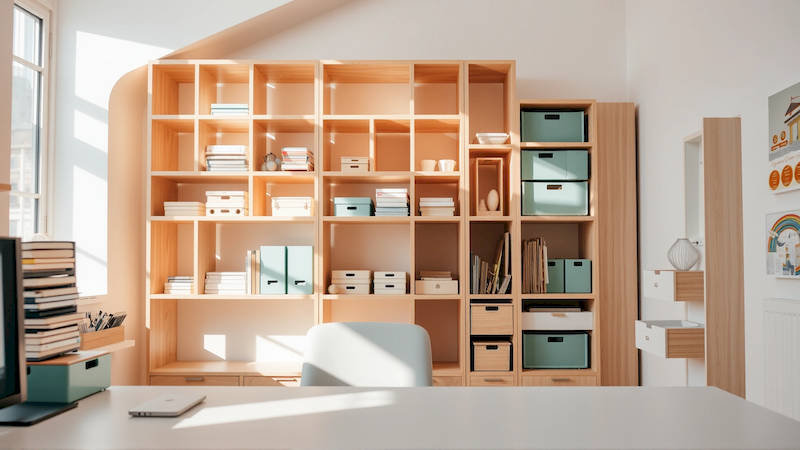
The modern home office – or even a dedicated corner in a multi-purpose room – is often a battleground against clutter. While digital organization has streamlined much of our work, the tangible reality of office supplies persists. Pens, paperclips, sticky notes, charging cables, and all manner of paraphernalia can quickly overwhelm a workspace, hindering productivity and increasing stress. The key to conquering this chaos isn't necessarily eliminating these items, but rather effectively containing them. This is where the art and science of choosing the right storage bins and boxes comes into play. A thoughtful storage solution isn't just about aesthetics; it's about functionality, maximizing space, and fostering a more efficient and calming work environment.
Ignoring the need for effective storage isn’t just a minor inconvenience; it has demonstrable consequences. Studies show that a cluttered workspace can decrease productivity by up to 20%, and contribute to feelings of anxiety and overwhelm. “A disorganized space often reflects a disorganized mind,” says organization expert Marie Kondo, and this sentiment rings true for many professionals. Effective storage keeps essential items easily accessible, reduces wasted time searching, and creates a visual sense of order that contributes to focused work. This guide will provide a comprehensive overview of selecting the optimal storage solutions for your office needs, navigating materials, sizes, and features to help you create a truly organized workspace.
Understanding Your Office Supply Inventory & Space
Before even considering the multitude of bins and boxes available, the first crucial step is a comprehensive inventory of your office supplies. This isn't just a quick glance; it’s a detailed assessment. Lay everything out – every pen, every paperclip, every charging cable – and categorize it. Distinguish between frequently used items, occasionally used items, and those you’re hoarding “just in case.” This process will reveal the volume and types of items needing storage, directly informing your container choices. A seemingly simple need for ‘pen storage’ becomes far more nuanced when you realize you have 50 pens, including fine-liners, highlighters, and various ballpoints.
Following the inventory, meticulously evaluate your available space. Measure the dimensions of your desks, shelves, cabinets, and even floor space. Consider vertical space – stacking bins or utilizing wall-mounted options. Sketch out a rough floor plan, noting potential storage locations. Are you constrained by a small home office nook, or do you have a dedicated room with ample storage potential? Don’t forget to account for accessibility. High shelves are great for infrequently used items, but those you need daily should be within easy reach. This preliminary stage lays the groundwork for intelligent storage decisions, preventing the purchase of containers that simply won't fit or function properly within your space.
Finally, think about your workflow. What supplies do you use together? For instance, keeping tape, scissors, and a cutting mat in the same bin streamlines tasks. Grouping supplies by project can also be beneficial. This approach, coupled with space assessment, creates a more logical and efficient organization system, rather than simply stuffing items into containers randomly.
Materials Matter: Choosing the Right Container Construction
The material of your storage bins and boxes is a surprisingly important factor, impacting durability, aesthetics, and even cost. Plastic is the most common choice, offering affordability, water resistance, and a wide range of colors and styles. However, not all plastics are created equal. Polypropylene (PP) is a durable, impact-resistant option often used for heavier items, while polyethylene terephthalate (PET) is lighter and more transparent, ideal for showcasing contents. Be mindful of BPA content, opting for BPA-free plastic, especially if you're storing items in a shared workspace or have sensitivities.
Beyond plastic, cardboard boxes remain a viable option, particularly for temporary storage or archival purposes. They're eco-friendly, lightweight, and easily labeled. However, they lack the durability and water resistance of plastic, making them less suitable for frequently accessed items or potentially damp environments. Fabric bins, often made of canvas or nylon, strike a balance between aesthetics and functionality. They add a softer touch to the workspace and are collapsible when not in use, saving space. However, they typically offer less structural support than plastic or cardboard and are not ideal for heavy items. Metal bins, typically steel or aluminum, provide the highest level of durability and a modern aesthetic, but are generally the most expensive option. Selecting the correct material will dramatically affect the longevity and appropriateness of your selections.
Consider the overall aesthetic of your office space when choosing materials. Neutral colors like gray, black, or white blend seamlessly into most environments, while bolder colors can add a pop of personality. It’s important the chosen material complements existing decor rather than clashing with it.
Size and Shape: Maximizing Space Efficiency
The size and shape of your storage containers are critical for maximizing space efficiency. Avoid the temptation to buy everything in one size; a variety is essential. Small bins are perfect for organizing desk drawers, holding paperclips, rubber bands, and other tiny items. Medium-sized bins are ideal for files, notebooks, and frequently used supplies. Larger bins can accommodate bulk items like paper reams or spare printer ink cartridges. Think in terms of modularity: choosing bins that stack neatly and consistently will make the most of vertical space.
Shape is equally important. Rectangular bins typically offer the best space utilization, fitting snugly on shelves and maximizing storage capacity. Square bins are also practical, but can leave wasted space if not utilized efficiently. Consider the depth of your shelves or cabinets when selecting bin height. A bin that’s too tall will render valuable space unusable. Transparent bins are incredibly helpful, allowing you to quickly identify contents without rummaging through boxes. If you opt for opaque bins, invest in clear labeling. A minimalist approach might involve a simple color-coding system – for example, blue bins for administrative tasks, green bins for creative projects.
Beyond simple shapes, explore specialized containers like drawer dividers and file sorters. These accessories can transform cluttered drawers into organized havens. Regularly reassessing contents and resizing your storage system helps to maintain efficiency as needs evolve.
Labeling Systems: The Key to Long-Term Organization
Even the most thoughtfully organized storage system will crumble without a robust labeling system. A neatly arranged bin filled with unidentified contents is essentially just a different form of clutter. Invest in a label maker, or use clear adhesive labels and a permanent marker. Be specific in your labeling – instead of "Office Supplies," use descriptive labels like "Printer Paper – 8.5x11," "Blue Pens," or "Client Files – Smith & Jones." Consistency is key; use the same labeling style throughout your entire storage system.
Consider color-coding your labels in addition to using text. For example, all labels related to finances could be red, while those related to marketing could be blue. This visual cue can save you valuable time when searching for specific items. Printable label templates are readily available online, allowing you to create customized labels that match your office aesthetic. Regularly update your labels as contents change. An outdated label can lead to frustration and a breakdown of your organizational system. Don’t underestimate the power of a well-executed labeling system; it’s the difference between a temporary fix and a sustainable, long-term solution.
Beyond Bins: Utilizing Alternative Storage Solutions
While bins and boxes are essential, don’t limit yourself to these traditional options. Explore alternative storage solutions that can complement your system and maximize space utilization. Wall-mounted shelves can free up valuable desk space, while clear acrylic organizers are perfect for displaying frequently used items. Desk caddies and pen holders keep essential supplies within easy reach. Filing cabinets provide secure and organized storage for important documents.
Consider repurposing existing items for storage. Decorative baskets can add a touch of style while holding supplies. Old jars and containers can be cleaned and used to store small items like paperclips and rubber bands. Think creatively about how to utilize every available space, from under-desk storage to wall-mounted pockets. Mobile carts with multiple shelves offer flexible storage that can be easily moved around the office. The versatility of these alternative methods enhances usability and aesthetic harmony within the workspace.
Evaluating and Refining Your System
Creating an organized workspace isn’t a one-time event; it’s an ongoing process. Implement a regular evaluation schedule – perhaps monthly or quarterly – to assess the effectiveness of your storage system. Are you still able to find items easily? Are any bins overflowing? Are there items you haven’t used in months that can be purged or donated? Use this evaluation as an opportunity to refine your system, adjust labeling, and reorganize contents as needed. Your needs will evolve over time, so your storage system must be flexible enough to adapt.
Don't be afraid to experiment with different configurations and solutions. What works for one person may not work for another. The key is to find a system that suits your specific needs and workflow. Seek feedback from colleagues or family members to gain fresh perspectives. A well-maintained storage system not only declutters your workspace but also promotes a sense of calm and control, fostering a more productive and enjoyable work experience.
In conclusion, choosing the right storage bins and boxes for office supplies is a foundational element of a productive and organized workspace. It transcends simply containing clutter; it’s about optimizing workflow, reducing stress, and fostering a more focused environment. Remember to meticulously inventory your supplies, evaluate your space, prioritize durable and appropriate materials, and implement a clear labeling system. Don’t limit yourself to traditional bins, but explore alternative storage solutions that complement your needs. Finally, commit to regular evaluation and refinement, recognizing that organization is a continuous journey rather than a destination. By following these guidelines, you can transform your office from a chaotic mess into an efficient and inspiring space.
Deja una respuesta