
Creating a Toy-Free Zone: Organizing Kids’ Items in the Living Room
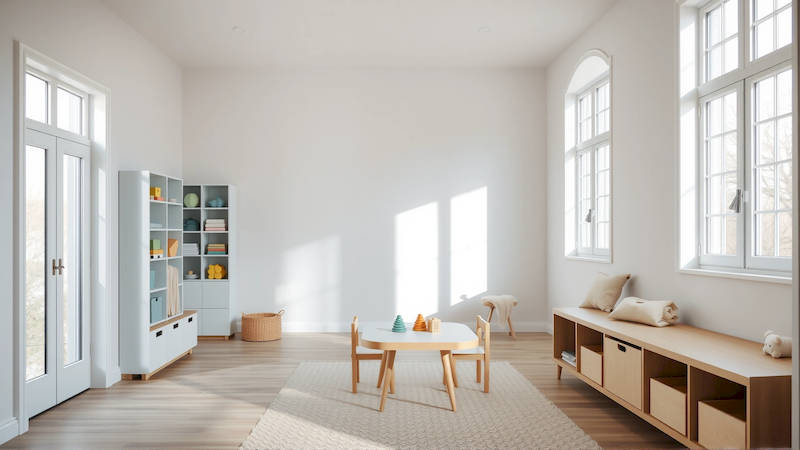
The living room. For many families, it's envisioned as a relaxing haven, a space for connection, and a showcase of style. Yet, all too often, it morphs into an extension of the playroom, overrun with toys, games, and the colourful chaos that comes with childhood. This isn’t necessarily a bad thing - play is vital! However, the overflowing nature of children’s belongings in a shared space can contribute to stress, hinder relaxation, and even impact a parent’s mental wellbeing. The need for order isn’t about stifling creativity, but about creating a harmonious environment where everyone can thrive.
Establishing a toy-free zone isn’t about eliminating play; rather, it’s about intentionally designating specific areas for play and reclaiming the living room as a space for shared family time, adult conversation, and peaceful relaxation. It’s a commitment to mindful living, recognizing that a calmer environment benefits both children and adults. According to a 2022 study by the National Association of Productivity and Organizing Professionals (NAPO), homes with highly organized common areas reported a 43% decrease in reported household stress levels. This speaks volumes about the ripple effect of intentional organization.
This article will provide a comprehensive guide to navigating this challenge, offering actionable strategies and practical tips for organizing kids’ items and creating a living room that feels like a true sanctuary. We’ll explore everything from decluttering techniques to alternative storage solutions to establishing healthy boundaries around playtime.
- The Initial Declutter: A Ruthless but Necessary First Step
- Designing Designated Play Zones: Containing the Chaos
- Implementing Rotation Systems: Keeping Things Fresh and Engaging
- Storage Solutions Beyond the Toy Box: Blending Function with Style
- Establishing and Maintaining Boundaries: Family Rules and Consistent Enforcement
- Acknowledging the Imperfect Journey and Adapting as Needed
The Initial Declutter: A Ruthless but Necessary First Step
Before even thinking about where things will go, you must address what things you actually have. This initial declutter is arguably the most difficult stage, requiring honesty and a willingness to let go. A powerful starting point is the “Four-Box Method”: label four boxes “Keep,” “Donate/Sell,” “Relocate,” and “Trash.” Systematically go through every toy, game, and kid-related item in the living room, assigning it to one of these boxes. Be firm – if an item hasn't been played with in six months (with the exception of seasonal or sentimental pieces), it likely falls into the donate/sell category.
This process isn't just about physical space; it's about mental liberation. “We accumulate things to fill emotional voids, and children’s toys are no exception,” explains professional organizer Marie Kondo in her book The Life-Changing Magic of Tidying Up. Applying her principle of asking “Does this spark joy?” can be surprisingly effective, even with items belonging to children. Involve your children in the process (age-appropriately, of course). For younger children, it might be presenting a choice between two similar items to donate. Older children can understand the concept of giving to others and letting go of things they've outgrown.
Don’t underestimate the power of selling unused items. Platforms like Facebook Marketplace, Craigslist, and locally-focused consignment shops provide avenues to recoup some funds while giving unwanted toys a new home. Remember, decluttering isn’t about deprivation; it’s about curating a collection of items that are truly loved and used.
Designing Designated Play Zones: Containing the Chaos
Once you've significantly reduced the volume of toys, the focus shifts to containing what remains. The key is to establish dedicated play zones outside of the living room. This could be a finished basement, a playroom, a corner of a bedroom, or even a designated area in the kitchen. The goal is to create a space where children are encouraged – and perhaps even required – to play with their toys, leaving the living room free for other activities.
Creating clearly defined boundaries helps enforce these zones. A colourful rug can delineate a play area, and strategically placed furniture can serve as visual dividers. Consider the age and interests of your children when designing these spaces. A toddler’s zone might focus on soft play mats and large building blocks, while an older child’s area could include a desk for art projects or a book nook. The layout of the play zone should inspire creativity and encourage independent play. Clever storage within the play zone – shelves, bins, and baskets – is crucial for maintaining organization and making cleanup easier.
Consider also vertical storage. Utilizing wall space with shelves and hanging organizers can maximize space, especially in smaller homes. This keeps items off the floor and contributes to a cleaner, more open feel.
Implementing Rotation Systems: Keeping Things Fresh and Engaging
Even with designated play zones, a vast collection of toys can still feel overwhelming. A rotation system delays boredom and gives a sense of "newness" to toys that have been tucked away for a while. Divide toys into several groups – perhaps four or five – and only have one group accessible at a time. Rotate the groups every few weeks or months, depending on your child’s age and interests.
This promotes focused play and helps children truly appreciate the toys they have. It’s akin to a minimalist wardrobe – when you have fewer choices, you’re more likely to value and care for each item. Psychologist Dr. Alison Gopnik, a professor at UC Berkeley, emphasizes the importance of "limited choices" for fostering creativity in children. Having too many options can be paralysing, while a curated selection stimulates imagination and problem-solving skills.
Remember to involve your children in the rotation process. Ask them which toys they’d like to bring out next, fostering a sense of ownership and anticipation. This also provides an opportunity to revisit the decluttering process, identifying toys they’ve outgrown or no longer enjoy.
Storage Solutions Beyond the Toy Box: Blending Function with Style
While toy boxes are a common solution, they often become bottomless pits of chaos. Consider alternative storage options that are both functional and aesthetically pleasing. Woven baskets, fabric bins, and decorative boxes can blend seamlessly with your living room décor while providing ample storage space.
Shelving units with closed cabinets offer a more streamlined look, concealing clutter while still keeping items accessible. Ottomans with built-in storage are a particularly clever solution, providing seating and storage in one. Remember to label bins and baskets clearly, especially for younger children who can’t yet read. Pictures or color-coding can also be effective labelling methods.
Don't be afraid to think outside the box. A vintage trunk can add character while providing storage, and a console table with drawers can discreetly house smaller items. The key is to choose storage solutions that complement your living room’s style and contribute to a visually calming environment.
Establishing and Maintaining Boundaries: Family Rules and Consistent Enforcement
Creating a toy-free zone is only half the battle; maintaining it requires establishing clear boundaries and consistently enforcing them. Discuss with your family why you’re making this change and the benefits it will bring. Frame it not as a punishment but as a way to create a more relaxing and enjoyable space for everyone.
Develop specific rules, such as “Toys stay in the playroom” or “No building allowed on the living room rug.” Be consistent with enforcement. Gently remind children of the rules when they stray, and avoid giving in to requests to play with toys in the living room. A visual reminder, such as a simple chart displaying the rules, can be helpful. As developmental psychologist Dr. Alan Kazdin notes, consistency is critical for establishing lasting behaviour change in children.
Lead by example. Avoid bringing toys into the living room yourself, and make a conscious effort to keep the space tidy and clutter-free. Assign regular cleanup times to involve the entire family in maintaining the order.
Acknowledging the Imperfect Journey and Adapting as Needed
Finally, acknowledge that creating and maintaining a toy-free zone is an ongoing process, not a one-time fix. There will be challenges, setbacks, and moments of frustration. Embrace the imperfections and be willing to adapt your strategies as needed. Life with children is often messy and unpredictable. The aim isn’t to achieve pristine perfection but to create a more harmonious and functional living space that supports the wellbeing of the whole family. Recognize what is working and what isn't, and don't be afraid to adjust your routines and systems accordingly.
In conclusion, creating a toy-free zone in your living room is an investment in your family's wellbeing. It's a commitment to intentional living, a rejection of clutter-induced stress, and a reclaiming of a space for connection and relaxation. By diligently decluttering, establishing designated play zones, implementing rotation systems, and setting clear boundaries, you can transform your living room into a sanctuary that truly reflects your values and enhances your quality of life. Remember, the goal isn't a perfectly spotless home, but a space where everyone feels comfortable, calm, and connected. Start small, be consistent, and celebrate your progress along the way. The rewards – a more peaceful, organized, and enjoyable living room – are well worth the effort.
Deja una respuesta