
How to Arrange Furniture for Optimal Traffic Flow in the Living Room
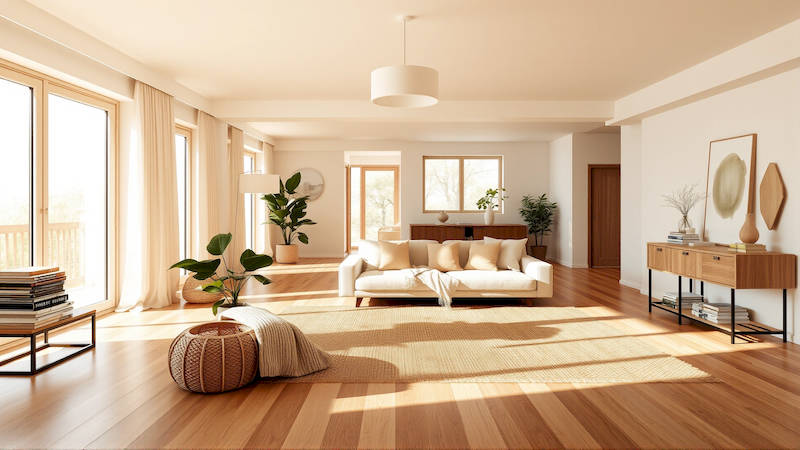
The living room, often considered the heart of the home, is a space designed for relaxation, connection, and entertainment. Yet, even the most beautifully decorated living room can feel cramped and unwelcoming if it’s poorly arranged, hindering natural movement and creating frustrating bottlenecks. Poor traffic flow doesn’t just affect aesthetics; it impacts how comfortably and functionally the space can be used. A well-planned layout, however, can transform the room into an inviting and efficient hub, fostering a sense of calm and ease. This article delves deep into the principles of arranging furniture for optimal traffic flow, offering actionable insights and practical solutions to maximize space and enjoyment.
Effective furniture arrangement isn’t about simply fitting pieces into a room; it’s about thoughtfully guiding movement and creating distinct zones for various activities. Many people underestimate the impact of traffic flow, focusing solely on visual appeal. However, perpetually bumping into furniture, struggling to pass through doorways, or feeling constricted significantly detracts from the overall living experience. Understanding the key elements that contribute to good flow – like walkway width, focal points, and furniture placement – is essential for crafting a living room that’s both stylish and supremely functional.
This detailed guide will provide a comprehensive understanding of navigating these complexities, helping you to create a space that effortlessly blends beauty and usability. We'll move beyond anecdotal advice and explore the practical considerations that professional interior designers leverage to optimize living room layouts, ultimately enabling you to design a living space that feels open, inviting, and perfectly suited to your lifestyle.
- Understanding Traffic Patterns and Natural Walkways
- Defining Zones and Creating Visual Pathways
- Furniture Placement: The 3-Foot Rule and Focal Point Focus
- Utilizing Negative Space for a Sense of Openness
- Adapting to Challenging Room Shapes and Sizes
- The Importance of Rug Placement & Lighting
- Conclusion: Cultivating a Harmonious Living Space
Understanding Traffic Patterns and Natural Walkways
Before you even begin moving furniture, it's crucial to analyze the natural pathways through your living room. Observe how people naturally move through the space – where do they enter from, where do they need to go to reach other rooms, and what are the most frequently used routes? These established patterns will dictate the primary traffic lanes and should be prioritized when arranging furniture. Think about entry points, doorways leading to hallways or other rooms, and access points to windows or outdoor spaces. These areas need to remain clear and unobstructed.
Consider the functionality of your living room. Is it primarily a space for relaxing and watching TV, or is it also used for entertaining guests and hosting gatherings? The intended use will influence the number and prominence of these natural walkways. For example, a frequently used walkway to a dining room would need to be wider and clearer than a secondary path to a seldom-used guest bathroom. An easy exercise is to physically walk through the space as if you were a guest, noting any awkward movements or obstacles. "The biggest mistake people make is treating furniture arrangement as an afterthought," says renowned interior designer Kelly Wearstler. "Traffic flow should be the starting point, informing every other design decision."
Furthermore, recognize that traffic patterns aren't always linear. People often take diagonal routes, especially when moving between seating areas or toward a focal point. Therefore, avoid creating rigid barriers that force people to take unnecessarily circuitous paths. Instead, prioritize creating clear sightlines and allowing for fluid, natural movement throughout the room.
Defining Zones and Creating Visual Pathways
Once you understand the existing traffic patterns, you can begin to define distinct zones within the living room. These zones could include a conversation area, a reading nook, a TV viewing space, or a play area for children. Defining these zones helps to visually organize the space and makes it feel more intentional. The key is to then create visual pathways that connect these zones without disrupting the traffic flow.
These pathways don't always need to be straight lines. In fact, slightly curved pathways can often feel more inviting and natural. Use rugs, furniture arrangement, and lighting to delineate the boundaries of each zone and subtly guide movement between them. For example, placing a large area rug under a seating arrangement visually defines a conversation area. Similarly, angling furniture strategically can create a sense of flow and direct attention toward a particular focal point. Avoid placing furniture perpendicular to major walkways, as this creates an immediate obstruction. Think of the flow as a gentle river – allowing it to meander naturally rather than forcing it through narrow channels.
A clever technique is to use furniture with open bases, such as sofas with exposed legs or coffee tables with glass tops, to maintain visual continuity and prevent the space from feeling cramped. These pieces allow your eye to travel through the room, enhancing the sense of openness and flow.
Furniture Placement: The 3-Foot Rule and Focal Point Focus
A fundamental principle in furniture arrangement is the ‘3-foot rule’. This rule suggests maintaining at least three feet of walking space between major pieces of furniture and along the primary traffic lanes. This width allows for comfortable movement without overcrowding. Of course, this guideline can be adjusted based on the size of your room and the specific furniture pieces, but it serves as a useful benchmark. Consider that smaller rooms will necessitate narrower pathways, while larger rooms can accommodate more spacious arrangements.
Alongside prioritizing adequate space, consider the focal point of your living room. This could be a fireplace, a large window with a view, a statement piece of artwork, or a television. Orient your furniture around this focal point to create a sense of balance and harmony. The best layouts typically involve arranging seating in a way that encourages conversation and directs attention toward the focal point without blocking walkways. A common mistake is to place furniture facing away from the focal point, which disrupts the natural flow of the room and creates a disjointed feeling.
Think about the visual weight of your furniture. Larger pieces should be positioned to anchor the room, while smaller pieces can be used to fill in gaps and create visual interest. Avoid overcrowding one side of the room, opting instead for a balanced distribution of furniture that feels visually pleasing and functional.
Utilizing Negative Space for a Sense of Openness
Negative space, or the empty areas within a room, is just as important as the furniture itself. Many people instinctively try to fill every available space, but strategically utilizing negative space can actually make a room feel larger and more open. Leaving open space around furniture allows it to ‘breathe’ and prevents the room from feeling cluttered and claustrophobic.
This concept is particularly important in relation to traffic flow. By avoiding overcrowding, you create clear pathways and minimize obstacles. Negative space also enhances visual appeal, allowing the eye to rest and preventing the room from feeling overwhelming. It's about carefully curating what you include, rather than simply cramming in as much furniture as possible. "Less is often more," emphasizes designer Nate Berkus. "A few well-chosen pieces, thoughtfully arranged, will always outshine a room full of clutter."
Consider leaving space between the back of your sofa and a walkway or a console table. This allows people to easily move past without having to squeeze through a narrow gap. Similarly, leaving open space around a coffee table prevents it from feeling like an obstacle course.
Adapting to Challenging Room Shapes and Sizes
Not all living rooms are created equal. Some are long and narrow, others are small and square, and still others have awkward architectural features like alcoves or bay windows. Adapting your furniture arrangement to the specific characteristics of your room is crucial for maximizing traffic flow and creating a functional space. In a long, narrow room, avoid placing all the furniture along the walls, as this will only accentuate the room’s narrowness. Instead, consider breaking up the space into zones and creating visual interest with strategically placed furniture pieces.
For small living rooms, prioritize function over form. Opt for smaller-scale furniture that doesn’t overwhelm the space. Consider using multi-functional pieces, such as a coffee table with storage or a sofa bed, to maximize space efficiency. In rooms with awkward architectural features, use those features to your advantage. An alcove can be transformed into a cozy reading nook, while a bay window can create a beautiful focal point. Regularly reassess your arrangement as your needs change, and don’t be afraid to experiment with different layouts until you find one that works best for you.
The Importance of Rug Placement & Lighting
Rugs and lighting play a surprisingly impactful role in determining traffic flow. A rug should anchor a seating area, visually defining the zone and providing a soft surface underfoot. Crucially, the rug’s size should be proportionate to the furniture arrangement. A too-small rug will feel disjointed, while a too-large rug can overwhelm the space. Ensure that at least the front legs of all seating pieces are on the rug, creating a cohesive and inviting arrangement.
Similarly, lighting can be used to guide the eye and create visual pathways. Strategically placed floor lamps and table lamps can illuminate walkways and highlight focal points, drawing attention and encouraging movement. Avoid placing lamps in high-traffic areas where they could be easily knocked over. Consider using dimmer switches to adjust the lighting levels and create different moods. Thoughtful lighting not only enhances the aesthetic appeal of the room but also contributes to a safer and more functional space.
Conclusion: Cultivating a Harmonious Living Space
Arranging furniture for optimal traffic flow in the living room is much more than aesthetic preference; it’s a deliberate design process that directly impacts the functionality and comfort of your home. By carefully analyzing natural walkways, defining distinct zones, following the 3-foot rule, utilizing negative space, and adapting to the unique characteristics of your room, you can create a space that feels both spacious and inviting. Remember to prioritize clear pathways, visual balance, and a connection to the room’s focal point.
The key takeaways from this guide are to observe how people naturally move through your space, to consider the intended function of your living room, and to embrace the power of thoughtful furniture placement. Don't be afraid to experiment with different arrangements until you find one that feels right for you and your lifestyle. The result is a living room that’s not only visually appealing but also effortlessly functional, fostering a sense of calm, connection, and genuine enjoyment for years to come. Begin by tracing the existing pathways in your living room, then sketch out a potential new layout, taking these principles into account. The investment in thoughtful furniture arrangement will undoubtedly enhance your daily living experience.
Deja una respuesta